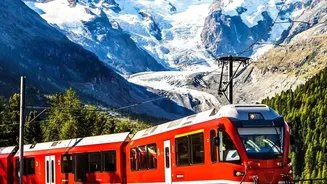


The Darjeeling Himalayan Railway
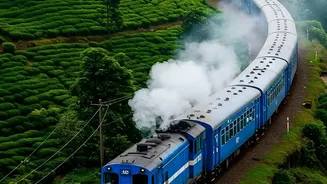
Affectionately known as the 'Toy Train', this UNESCO World Heritage Site is a journey back in time. Built between 1879 and 1881, the narrow-gauge line zig-zags and loops its way up from New Jalpaiguri in the plains to the hill station of Darjeeling. The
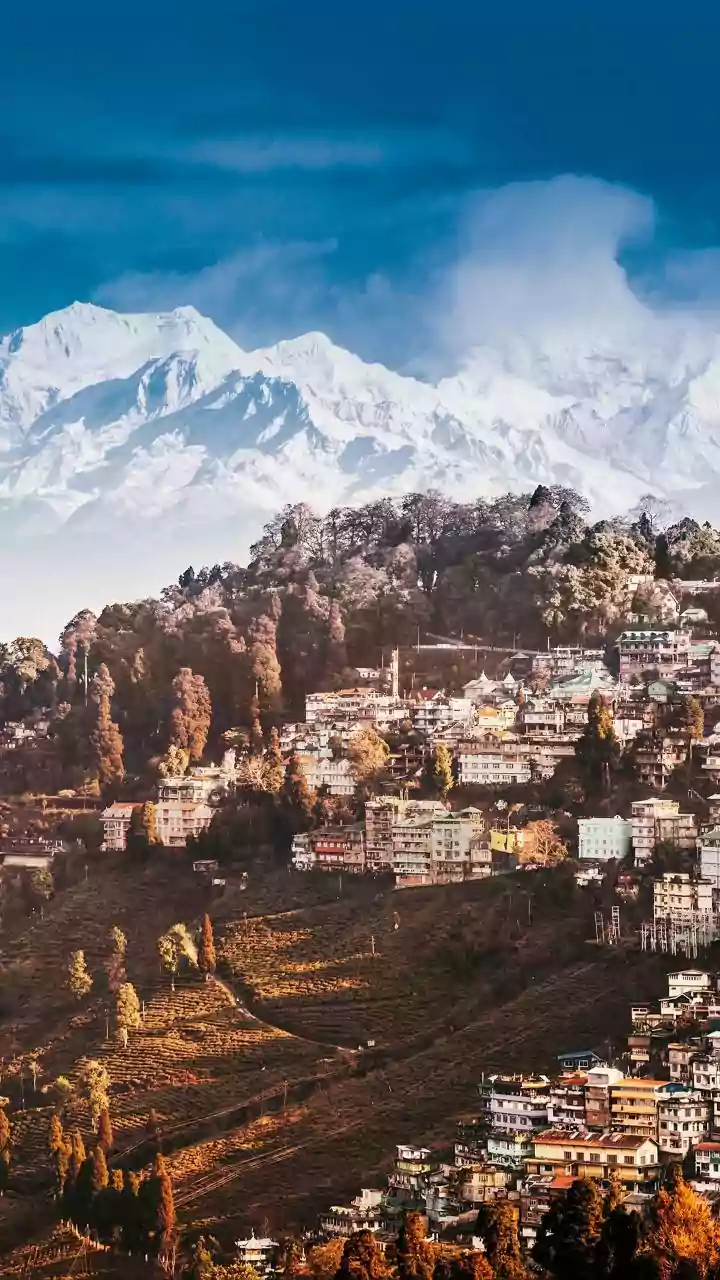
scenery is a highlight, with the train chugging through lush tea gardens and dense Himalayan forests. On a clear day, passengers are rewarded with spectacular views of Kanchenjunga, the world's third-highest mountain. The route itself is an engineering marvel, featuring innovative loops like the famous Batasia Loop, designed to navigate the steep ascent of over 2,100 metres. The vintage steam locomotives and charming, small stations complete the nostalgic experience, making it a living piece of railway heritage.
The Kalka-Shimla Railway
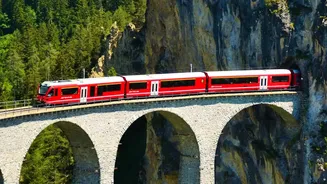
Another UNESCO World Heritage Site, the Kalka-Shimla Railway was built to connect the plains with Shimla, the former summer capital of British India. This route is a testament to incredible engineering, traversing a 96-kilometre stretch through the rugged Shivalik foothills. Passengers are treated to a dramatic journey that passes through 102 tunnels and crosses over 800 bridges and viaducts. The longest of these, the Barog Tunnel, is over a kilometre long and has its own share of local legends. The train winds through dense pine forests and offers panoramic views of deep valleys, with each curve revealing a new vista. The slow pace of the toy train allows travellers to fully absorb the colonial charm of the quaint stations and the serene mountain scenery.
The Konkan Railway
Unlike the colonial-era mountain lines, the Konkan Railway is a modern marvel of Indian engineering, completed in the 1990s. Connecting Mumbai with the coastal regions of Goa and Karnataka, this route was once considered too difficult to build. The line runs parallel to the Arabian Sea, cutting through the formidable Western Ghats. The journey is renowned for its stunning scenery, especially during the monsoon when the landscape turns into a vibrant green paradise with countless waterfalls. The route features over 2,000 bridges and 91 tunnels, including the 6.5 km Karbude Tunnel, which was once India's longest. It offers a breathtaking visual feast of lush valleys, winding rivers, and coastal vistas, showcasing a different side of India's natural beauty.
The Nilgiri Mountain Railway
The third of India's mountain railways to be granted UNESCO World Heritage status, this line takes passengers to Ooty, the 'Queen of the Hills'. Built by the British in 1908, the train ascends the steep Nilgiri Hills in Tamil Nadu. Its most notable feature is the unique rack and pinion system it uses to climb the steepest track in Asia, making it a significant engineering feat. The journey from Mettupalayam at the base to Ooty at the top takes about five hours, passing through 16 tunnels and over 250 bridges. The scenery is spectacular, with the train moving through dense forests, rolling tea plantations, and mist-covered mountains, offering a slow, enchanting ride into the clouds.
The Desert Queen Route
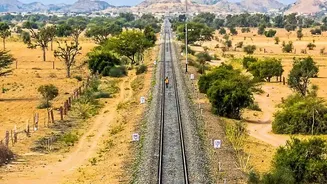
Offering a completely different landscape, the journey from Jodhpur to Jaisalmer cuts through the heart of the Thar Desert in Rajasthan. Known informally as the Desert Queen, this route showcases the stark, arid beauty of the region. As the train travels from the 'Blue City' of Jodhpur to the 'Golden City' of Jaisalmer, passengers witness a panorama of golden sand dunes, rustic villages, and rocky outcrops. The seemingly endless expanse of sand, dotted with hardy desert vegetation and the occasional caravan of camels, provides a meditative and unique travel experience. This journey is less about dramatic engineering and more about immersing oneself in the unique culture and scenery of one of India's most distinctive landscapes, connecting two of Rajasthan's most iconic heritage cities.