



Understanding Exfoliation's Impact
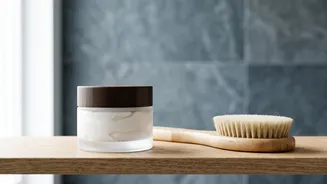
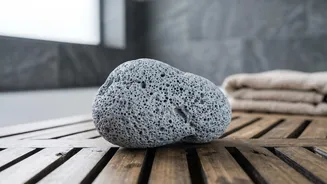
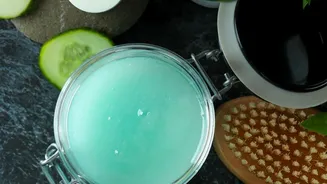
Exfoliation works by removing the outermost layer of dead skin cells, a process that can be done either physically or chemically. Physical methods use grainy scrubs, brushes, or textured cloths to manually buff the skin, while chemical exfoliants use gentle
acids, like alpha-hydroxy acids (AHAs) or beta-hydroxy acids (BHAs), to dissolve the bonds holding dead cells together. Both methods encourage cell turnover, which helps prevent clogged pores and can improve your skin's texture and tone. However, this process also temporarily compromises your skin's natural protective barrier. This barrier, made of lipids and oils, is essential for locking in moisture and protecting the deeper layers of skin from environmental stressors. When this barrier is disrupted, your skin can lose water more quickly, leading to dryness, irritation, and sensitivity.
The Crucial Role of Moisturiser
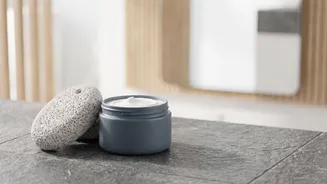
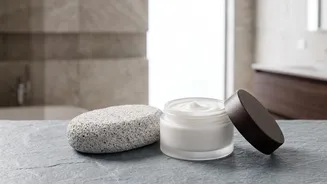
Applying moisturiser immediately after exfoliating is the most critical step in your post-scrub routine. Think of your freshly exfoliated skin as a clean slate, exceptionally receptive to hydration. A good moisturiser does more than just add moisture back; it helps to actively repair and fortify the skin barrier that was just disturbed. By replenishing lipids and locking in hydration, you prevent the over-drying and potential irritation that can otherwise follow exfoliation. This step not only soothes the newly exposed skin but also enhances the glowing results you were aiming for, ensuring the new cells are plump and healthy. Skipping this step can leave your skin feeling parched and uncomfortable, sometimes even leading to increased oil production as your skin tries to compensate for the sudden dryness.
Choosing the Right Ingredients
Not all moisturisers are created equal, especially when your skin is in a sensitive, post-exfoliation state. Look for products with ingredients that are known for hydrating and soothing properties. Hyaluronic acid is a star player, as it draws moisture into the skin, making it feel plump and hydrated. Ceramides are another excellent choice because they are lipids that help restore the skin's protective barrier. Ingredients like glycerin, panthenol, squalane, and aloe vera are also highly effective at calming the skin and providing deep, non-irritating hydration. On the other hand, it is wise to avoid certain ingredients immediately after exfoliating. Steer clear of products containing high concentrations of alcohol, strong fragrances, or additional potent actives like retinoids, as they can cause further irritation to sensitised skin.
Application and Best Practices
Timing and technique matter. For the best results, apply your moisturiser while your skin is still slightly damp after rinsing off your exfoliant. This helps to trap more moisture. If you are using a chemical exfoliant, you might want to wait a few minutes before applying your moisturiser to allow the active ingredients to fully absorb without interference. When applying, be gentle. Use soft, upward strokes rather than rubbing aggressively. Your skin is more delicate after exfoliation, so a gentle touch prevents unnecessary redness. Also, remember that exfoliation makes your skin more susceptible to sun damage. Always finish your morning routine with a broad-spectrum sunscreen with an SPF of 30 or higher to protect your fresh, glowing skin from UV rays.