




In a move that blends technological ambition with political showmanship, the term 'Artificial Intelligence' is being officially replaced. An executive order has mandated the use of 'Super Intelligence' across federal agencies, framing a new narrative.
A Presidential Rebrand by Executive Order
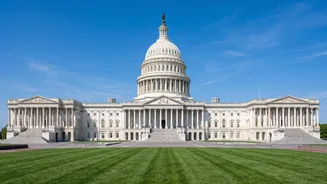
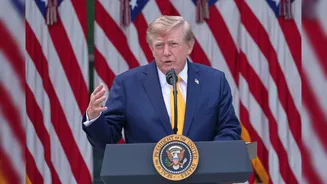
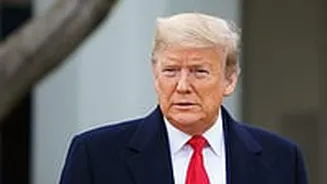
On September 29, 2026, President Donald Trump signed an executive order officially directing the federal government to replace the term 'Artificial Intelligence' (AI) with 'Super Intelligence' (SI). The order mandates that, to the maximum extent permitted by law, all executive departments and agencies must use the new terminology in official communications, websites, policy documents, and other materials. The order argues that the capabilities of today's advanced systems have progressed far beyond what the original term 'Artificial Intelligence' was meant to describe. According to the White House, the term 'Super Intelligence' more accurately captures the transformative power and potential of the technology. This directive does not require the revision of historical documents but sets a new standard for all future federal messaging.
The Strategy Behind the Words
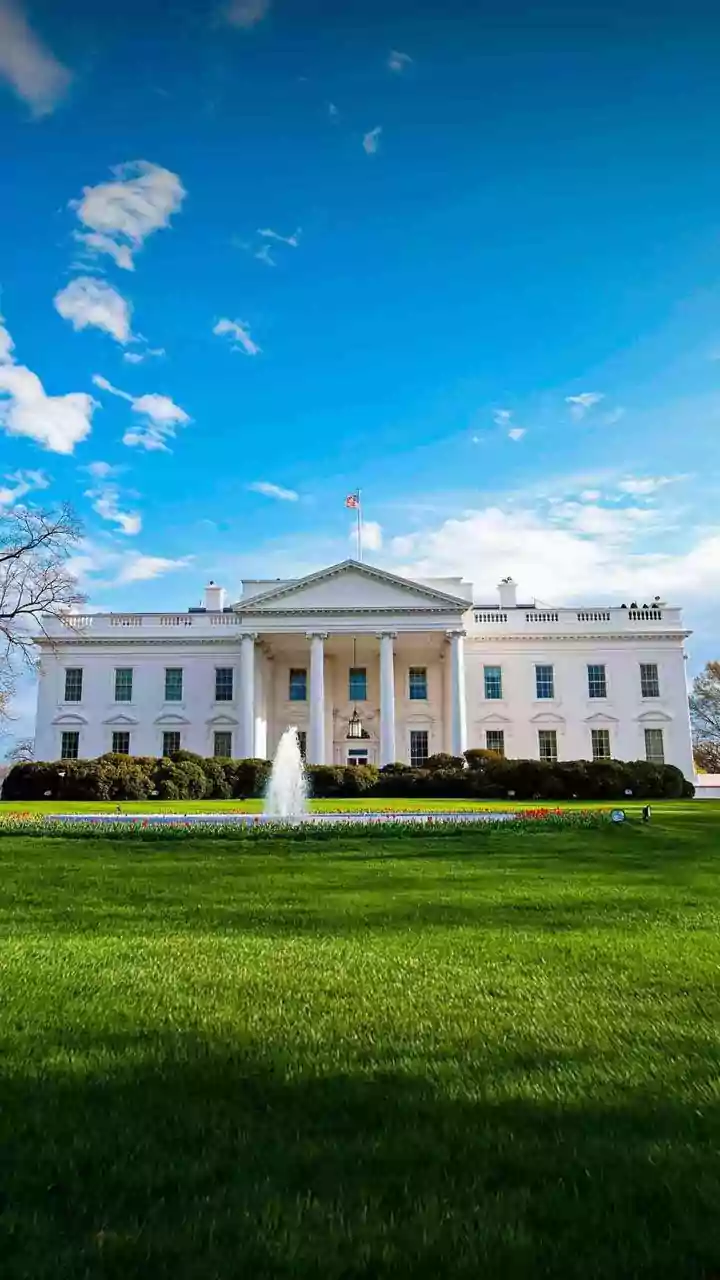
This change is far more than a simple update to government vocabulary; it is a calculated political branding exercise. President Trump has stated a preference for the new term, arguing 'artificial' sounds fake, whereas 'super' conveys power and brilliance. The rebranding aims to frame the technology in a context of American strength and dominance, casting it as a race to be won. This linguistic shift is part of a broader strategy that favors voluntary industry guardrails over formal regulation, a stance underscored by a recent White House meeting where tech leaders signed a 'morally binding' accord on SI safety. By renaming the technology, the administration seeks to control the narrative, shifting focus from public anxieties about safety to a more optimistic vision of national power and limitless opportunity.
Tech Reality Versus Political Terminology
Within the technology sector, 'superintelligence' has a specific, long-standing definition: a hypothetical form of AI that possesses cognitive abilities far exceeding those of the most intelligent humans. This is a theoretical future milestone that has not yet been achieved. The executive order, however, applies the 'Super Intelligence' label to the same technologies currently defined as 'Artificial Intelligence' under U.S. law. This co-opting of a technical term for political messaging creates a disconnect between the administration's rhetoric and the present state of the technology. While the order tasks the Assistant to the President for Science and Technology with proposing a new statutory definition for SI within 60 days, critics argue that the rebranding could muddy public understanding of a complex and consequential field.
Political Fallout and State-Level Pushback
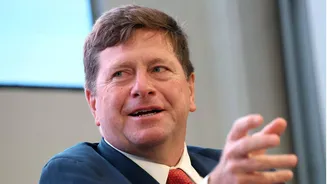
The rebranding has not been universally accepted. In a direct rebuke, California Governor Gavin Newsom signed his own executive order declaring that his state will continue to officially use the term 'Artificial Intelligence'. Newsom criticized the federal move as a distraction from what he called a failure to address the real safety and security risks of the technology. This state-level defiance highlights a growing fragmentation in the regulation and public discourse surrounding AI. As the federal government proceeds with its 'Super Intelligence' agenda, including the recent formation of a 'Super Intelligence Force' task force led by Director of National Intelligence Jay Clayton, the division between federal and state approaches to governing this powerful technology is becoming increasingly stark.