




The Magic of Tadka
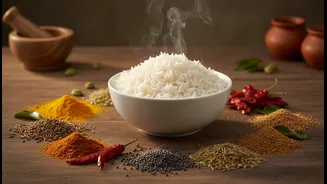
At its heart, tempering — known as tadka, chaunk, or thalippu across India — is the simple act of blooming spices in hot fat like oil or ghee. This isn't just frying; it's a rapid infusion process that unlocks the essential oils and deep-seated aromas
of the spices. The hot, fragrant oil then becomes a flavour carrier, dressing everything it touches with a layer of complexity that raw spices can't provide. This technique can be used at the beginning of a dish to build a flavour base or, in our case, poured over at the end as a finishing touch that elevates a simple ingredient like rice into a complete dish. The entire process is incredibly fast, often taking less than a minute from start to finish.
The Essential Tempering Method
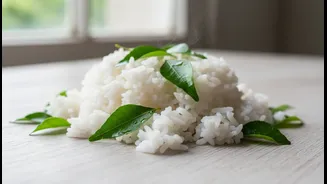
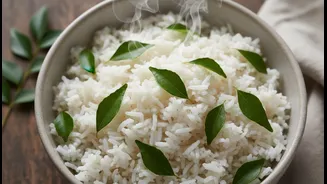
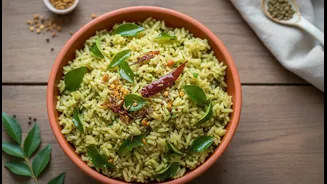
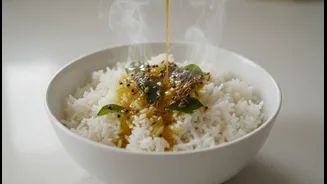
To turn plain rice into a satisfying meal, you only need a few staple ingredients and a small pan. This South Indian-style tempering is a perfect starting point. First, heat about a tablespoon of oil (coconut or a neutral vegetable oil works well) over medium heat. Once it shimmers, add half a teaspoon of mustard seeds and wait for them to pop and splutter. Immediately add a teaspoon each of chana dal (split Bengal gram) and urad dal (split black gram), stirring until they turn lightly golden. This adds a wonderful, nutty crunch. Next, toss in a dried red chilli, broken in half, and a sprig of fresh curry leaves—be prepared for a sizzle. A pinch of asafoetida (hing) at the end adds a subtle, savoury depth. Your tempering is now ready.
From Tempering to Tempered Rice
The final step is the easiest. Have your cooked, cooled rice ready in a large bowl. It's best to use rice that is a day old, as the grains are drier and less likely to clump. Fluff the rice with a fork to separate the grains. Once your tempering is aromatic and the dals are golden, simply pour the entire sizzling mixture directly over the rice. Add salt to taste and mix everything gently until every grain of rice is lightly coated with the spiced oil and the ingredients are evenly distributed. Be careful not to mash the rice; the goal is to keep the grains separate and fluffy. In under two minutes, you have transformed your plain leftovers into a fragrant and delicious meal.
Easy and Flavourful Variations
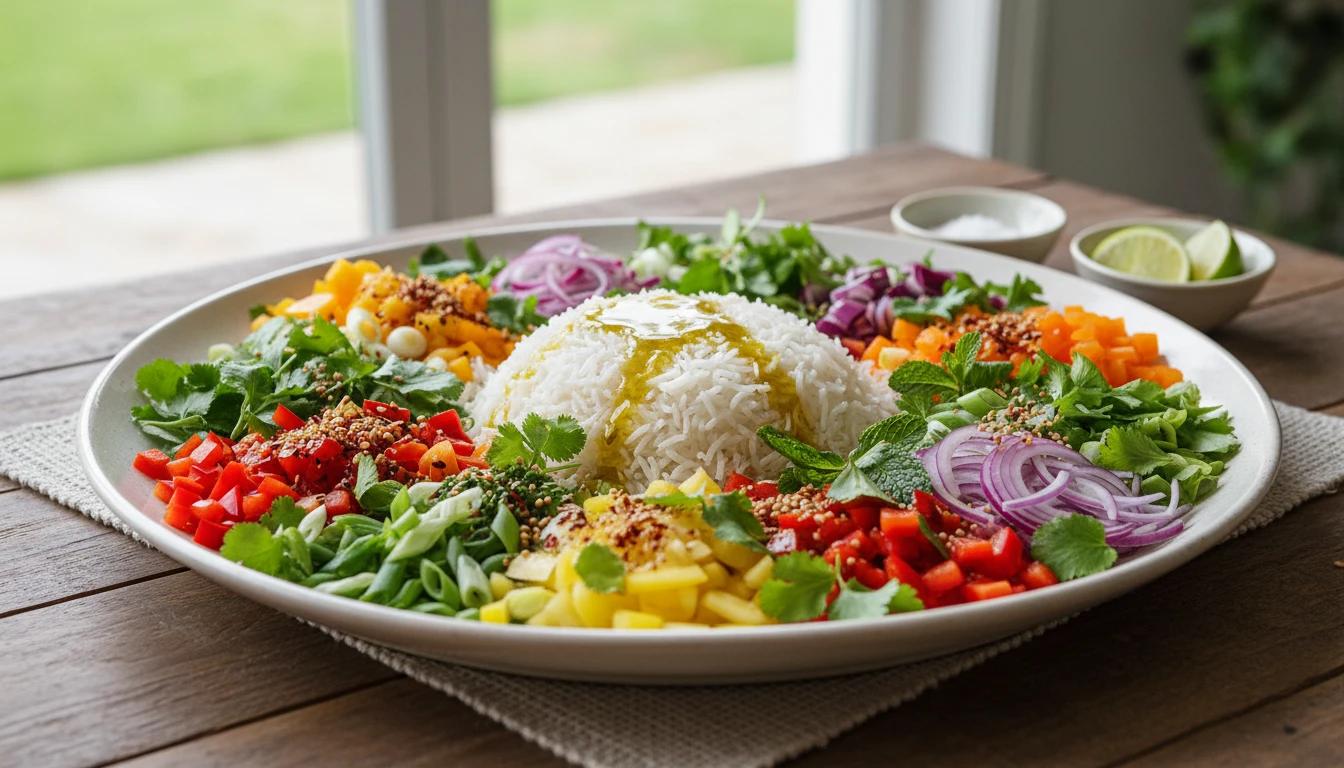
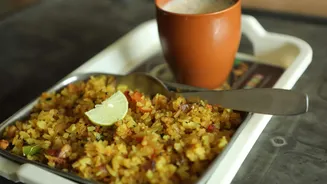
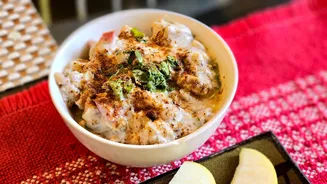
Once you master the basic tempering, a world of variety opens up. For a classic Lemon Rice (Chitranna), add a quarter teaspoon of turmeric powder to the hot oil after the dals have browned. After mixing the tempering with the rice, finish by stirring in fresh lemon juice. For Coconut Rice (Thengai Sadam), follow the basic tempering recipe and simply fold in half a cup of fresh or frozen grated coconut along with the rice. For a comforting Curd Rice (Thayir Sadam), prepare a simple tempering of mustard seeds, urad dal, and curry leaves. Let it cool slightly before stirring it into a creamy mixture of mashed rice and yoghurt.
Tips for the Perfect Lunchbox Rice
Making tempered rice lunchbox-ready requires a few extra considerations. The key is to prevent the rice from drying out and becoming hard by lunchtime. Always let the tempered rice cool completely to room temperature before packing it into an airtight container. Trapped steam creates condensation, which can affect the texture. Adding a little extra oil or ghee during tempering helps keep the grains lubricated and soft. For varieties like lemon rice, adding the lemon juice after the rice has cooled slightly, not to the hot pan, helps preserve its fresh flavour and prevents bitterness. These simple rice dishes are designed to taste great at room temperature, making them ideal for a tiffin box.