

Deo Tibba: The Throne of Gods
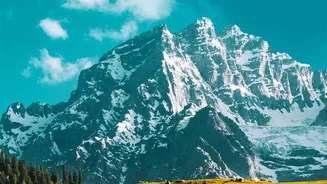
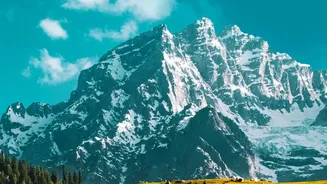
Rising to a grand 6,001 metres in Himachal’s Pir Panjal range, Deo Tibba is more than just a mountain; it’s a celestial assembly hall. Local mythology holds that this is where the deities (Devas) convene, with Lord Indra himself presiding from the neighbouring
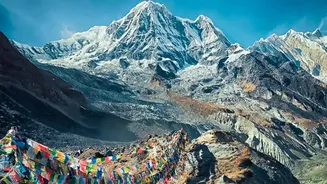
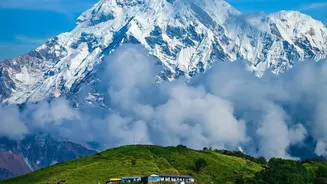
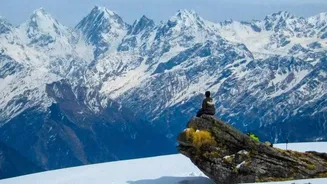
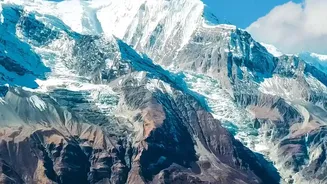
Indrasan peak. Unlike the sharp, pointed summits typical of the Himalayas, Deo Tibba is crowned with a vast, flattened snow dome. This unique feature, resembling a high-altitude plateau, gives it an otherworldly appearance and has made it a deeply revered destination. The trek to its base camp is considered one of the most beautiful in the Manali region, offering a journey to the footsteps of the gods.
The Popular Path via Jagatsukh
The most common route to the Deo Tibba base camp is a well-trodden and beautiful trail. Most trekking groups begin their journey by driving from Manali to the Allain Duhangan hydro project road head, starting the trek from Khanol. The path then winds through the Duhangan valley, with overnight stops at campsites like Chikka and the stunning alpine meadow of Seri. The final approach leads to the base camp at Tainta, from where trekkers make an excursion to the ethereal Chota Chandratal, a small glacial lake reflecting the mighty peak. While undeniably scenic, its popularity means you’ll be sharing the trail and campsites with many other adventurers.
The Road Less Travelled: The Shuru-Jobri Circuit
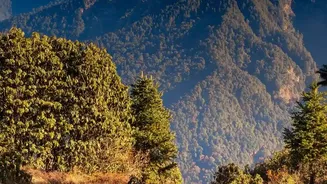
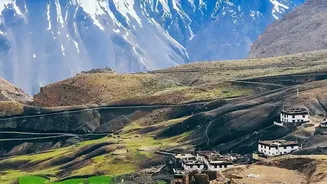
For those seeking a more solitary communion with the mountains, a quieter circuit offers a completely different experience. This lesser-known trail begins from the small village of Shuru, just a short drive from Prini near Manali. Instead of heading up the crowded Duhangan valley, this route traverses the mountainside, offering a more gradual immersion into the high-altitude landscape. It’s a path favoured by local Gaddi shepherds and Gujjar herders, promising a more authentic glimpse into the Himalayan way of life. The trek makes a wide arc, ascending through dense forests and remote meadows before concluding at Jobri, the starting point for the popular Hampta Pass trek.
A Journey Through Untouched Meadows
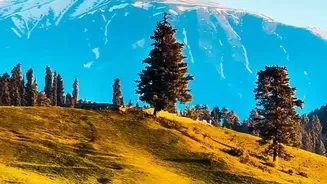
This alternative route unfolds like a classic Himalayan traverse. The first leg takes you from Shuru through deep conifer forests to the lovely meadow of Sarotu Thach. The next day involves a higher traverse to Lamadug, a pasture that opens up stunning views of the Kullu Valley below. The highlight of this route is the climb to Rourikholi, an expansive and enchanting grazing ground where you might see hundreds of horses against a backdrop of the Dhauladhar range. This high meadow provides breathtaking, panoramic views of Deo Tibba and Indrasan from a unique vantage point, rewarding trekkers with vistas that few get to see. The final day involves a descent to the dam at Jobri, completing the circuit.
Why Choose the Quieter Route?
Opting for the Shuru-Jobri circuit is a choice for solitude and expansive beauty. The trail sees significantly fewer trekkers, allowing for a peaceful experience where the sounds of nature dominate. While the standard route is a valley trek focused on the river, this path is a ridge and meadow traverse, offering vast, open landscapes and wider panoramic views for much of the journey. You get to camp in picturesque meadows that feel untouched and witness the daily life of shepherds, adding a rich cultural layer to the adventure. It’s the perfect choice for the trekker who values wilderness and discovery over simply ticking off a popular destination.
Essential Preparation for Any Route
Regardless of the path you choose, the Deo Tibba trek is rated as moderate in difficulty and should not be underestimated. The best time to go is between May and October. Proper acclimatization is crucial, so plan your itinerary to allow for gradual ascent. Physical fitness is a must; you should be able to walk for 5-6 hours daily with a backpack. Always hire a certified local guide or go with a reputable trekking agency. They will not only handle navigation and safety but also arrange the necessary trekking permits from the forest department and, if needed, special permissions for using restricted roads.