







An Annual Threat from Across the Border
For the northern districts of Bihar, the monsoon season is synonymous with a watchful eye on the rivers flowing from Nepal. A significant portion of the catchment areas for major rivers like the Gandak and Kosi lies within the Himalayan nation. This geographical
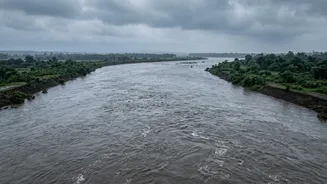
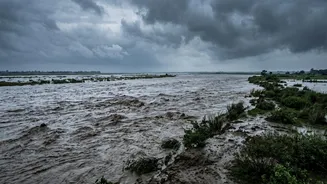
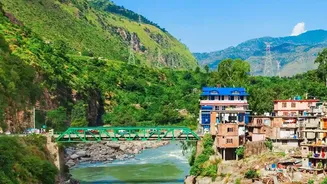
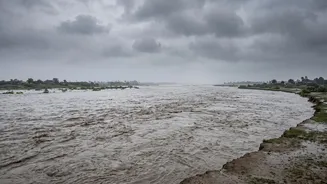
reality means that intense rainfall in Nepal translates directly into a heightened flood risk for Bihar. The current situation was triggered by severe flash floods in Nepal's Rasuwa district, which caused a sudden and massive volume of water to rush into the river systems that feed into India. The Gandak river, which enters Bihar in West Champaran district, is the primary channel for this surge, raising concerns about its capacity to handle the flow as it moves through the plains.
Which Districts Are on High Alert?
The state government has sounded a high alert across at least nine districts that are particularly vulnerable to flooding from the Gandak and Kosi river basins. These districts include West Champaran, East Champaran, Gopalganj, Sitamarhi, Sheohar, Muzaffarpur, Madhubani, Supaul, and Khagaria. Further downstream, areas in Saran and Vaishali have also been advised to remain vigilant. The focus of the immediate response is on the communities living in low-lying areas and along riverbanks, who are most at risk of inundation and erosion. Authorities have been using public address systems in vulnerable blocks of West Champaran, such as Nautan and Bairia, to warn residents of the potential danger and advise them on precautionary measures.
How Authorities Are Responding
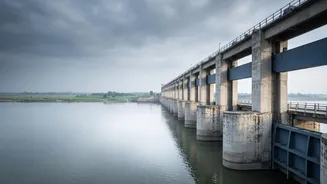
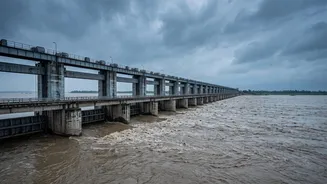
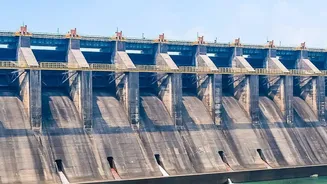
The state's disaster management apparatus has been fully activated. In a critical move to manage the water flow, officials opened all 36 gates of the Valmikinagar Barrage on the Gandak river in West Champaran. This barrage is the main control point for regulating the river's discharge. The Bihar government, under the supervision of Chief Minister Samrat Choudhary and Chief Secretary Pratyaya Amrit, has cancelled all leave for engineers and staff of the Water Resources Department, ensuring that personnel are on the ground to monitor embankments around the clock. To prepare for potential rescue and relief operations, nine teams of the National Disaster Response Force (NDRF) have been deployed across Bihar, with two teams specifically stationed in the Gandak region. According to the state's disaster management minister, some 5,000 families have already been moved from low-lying areas to safer locations as a precautionary step.
What Residents in Affected Areas Should Do
For those living in the alerted districts, staying informed and prepared is crucial. The first step is to monitor official announcements from the district administration and disaster management authorities. Avoid relying on rumors and unverified information spreading on social media. Residents in low-lying areas are advised to be ready to move to higher ground or designated relief shelters if an evacuation order is issued. This includes making arrangements for the safety of livestock and securing important documents and essential belongings in waterproof bags. Preparing an emergency kit containing items like a torch, batteries, first-aid supplies, dry food, and clean drinking water is always a prudent measure during flood alerts. Authorities have also urged people to stay away from riverbanks, drains, and other waterlogged areas to prevent accidents.