
Anatomy of a Mountain Disaster
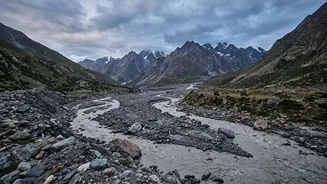
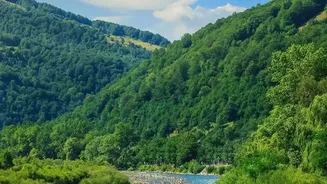
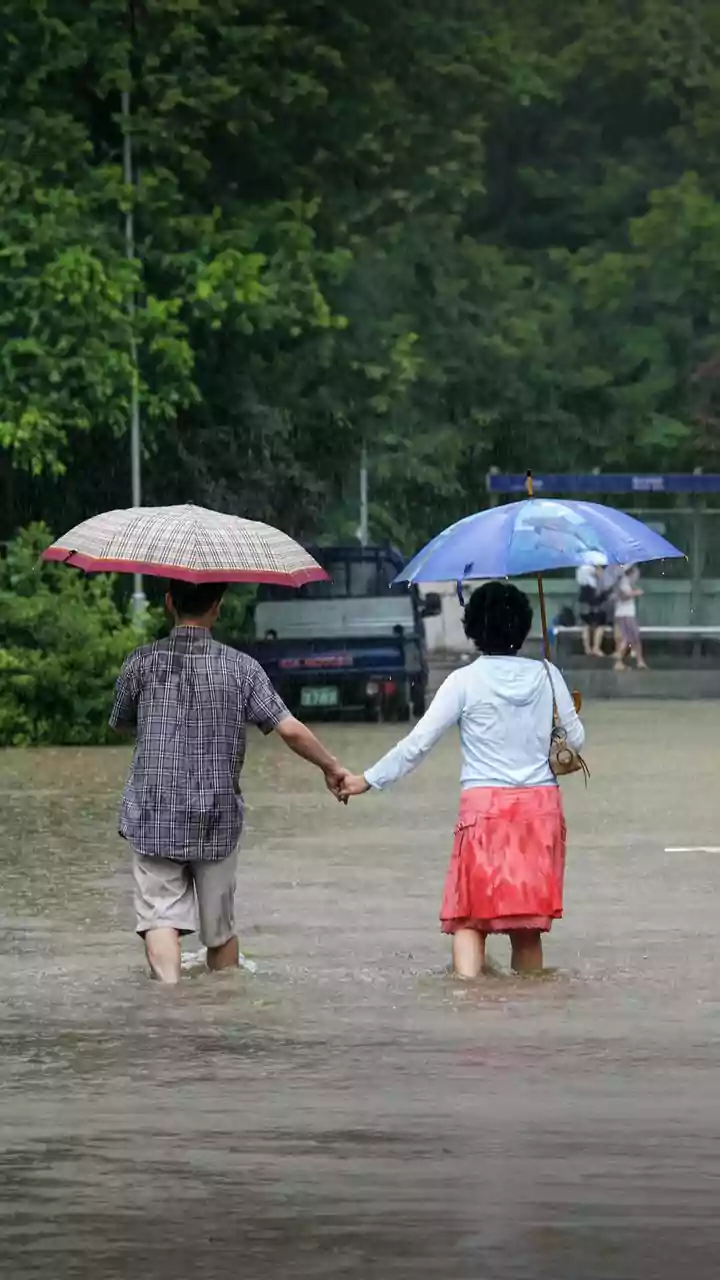
Recent years have seen multiple devastating flash floods in Nepal. One of the most scrutinised events was the 2021 Melamchi River flood, which wiped out infrastructure and displaced thousands. Initially, many assumed a cloudburst or a simple landslide
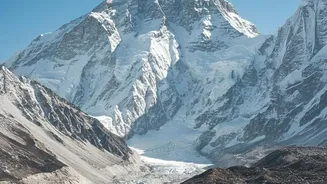
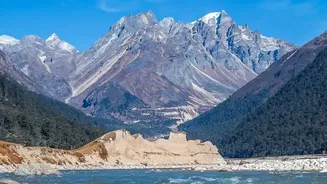
was to blame. However, the sheer volume of debris, the specific timing, and the nature of the destruction led experts to look higher up, into the glaciated zones. Satellite data and seismic sensors, which can detect ground vibrations, suggested a massive disturbance originating from the high peaks. This pointed not just to water, but to a powerful mix of ice, rock, and sediment, a hallmark of a glacial event.
What Is a Glacial Collapse?
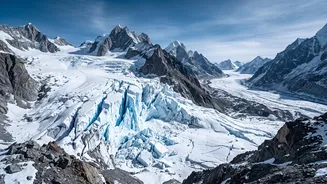
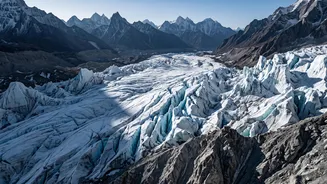
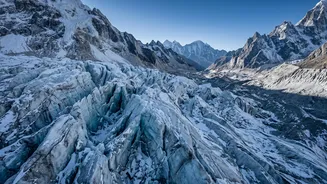
A glacial collapse is not just about melting ice. It's a complex and violent event. In the Himalayas, warming temperatures are not only shrinking glaciers but also thawing the permafrost that acts like a glue holding mountain slopes together. When this frozen ground weakens, it can cause the bedrock beneath a glacier to fail. This can lead to a huge section of a glacier—a mixture of ice and rock—detaching and crashing down a mountainside. This is sometimes called a rock-ice avalanche. The immense force can be equivalent to a moderate earthquake and can momentarily block a river below, creating a temporary dam. When this dam inevitably bursts, it unleashes a catastrophic wall of water, mud, and boulders downstream.
The Evidence Behind the Theory
For recent floods, including a major event on August 26-27, 2026, scientists pieced together evidence from multiple sources. The U.S. Geological Survey detected a seismic event consistent with a magnitude 5.2 glacier collapse, not a typical earthquake. Subsequent satellite imagery showed that a large chunk of a glacier had vanished from a high-altitude peak, and the valley below was filled with a new, massive debris flow. Eyewitness videos often capture a torrent thick with dark sediment and ice blocks, which is different from a regular monsoon flood. This combination of seismic data, before-and-after satellite photos, and the composition of the floodwater makes glacial collapse the most compelling explanation.
What About Other Causes?
While heavy rainfall is often a contributing factor, it doesn't fully explain the sheer destructive power and debris load of these events. A simple landslide-dammed flood is another possibility, but the seismic signature of a massive ice-rock avalanche is distinct. A Glacial Lake Outburst Flood (GLOF) is another related phenomenon, where a moraine or ice dam holding back a glacial lake fails. While GLOFs are a major threat across the Himalayas, some recent events appear to be caused by the direct collapse of a glacier itself, which can then trigger a chain reaction. In many cases, it's a cascading hazard: warming leads to glacial retreat and slope instability, an ice-rock avalanche occurs, which then transforms into a devastating debris-laden flood.
A Warming Himalayas, A Growing Threat
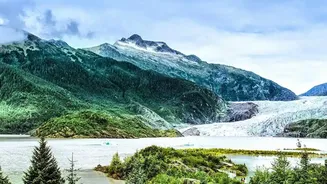
The focus on glacial collapse is critical because it reframes these floods from isolated incidents into predictable consequences of climate change. The Hindu Kush Himalaya region is warming significantly faster than the global average. Glaciers in the region melted 65% faster in the 2010s than in the previous decade. As glaciers retreat, they leave behind unstable slopes and expose rock previously supported by ice, increasing the likelihood of these collapses. Scientists warn that what was once a rare occurrence is becoming the "new normal," posing an existential threat to the millions of people living in the mountain valleys and downstream plains of Nepal and neighbouring countries, including India.