

The Soul of Indian Sweetness
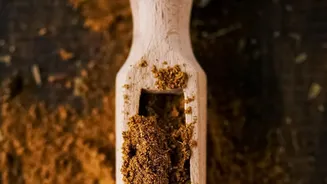
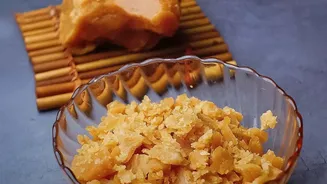
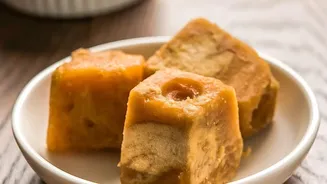
Before refined white sugar became a pantry staple, there was 'gur'. Known as jaggery in English, this unrefined sugar has been a cornerstone of Indian kitchens for centuries. It's made by boiling raw sugarcane juice (or the sap of palm trees) in large,
open pans. This minimal processing means it retains the natural molasses, which gives jaggery its characteristic dark colour and a rich, nuanced flavour with notes of toffee and caramel. While white sugar offers a flat, one-dimensional sweetness, jaggery brings a depth and warmth that transforms any dish it graces. Though often touted for health benefits, it's important to remember that jaggery is still a form of sugar and contains nearly the same number of calories as its refined counterpart. Its real advantage lies in its incredible flavour and the trace minerals like iron and potassium that are stripped away during the refining of white sugar.
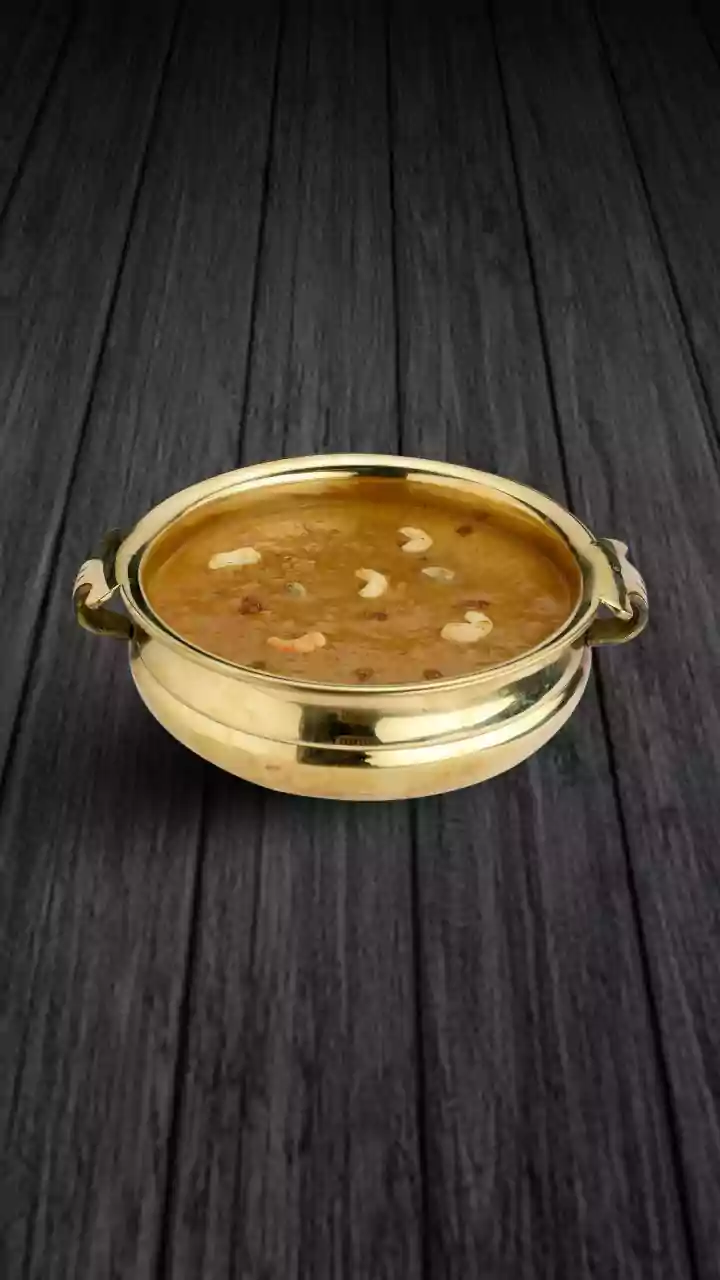
1. The Comforting Classic: Jaggery Payasam
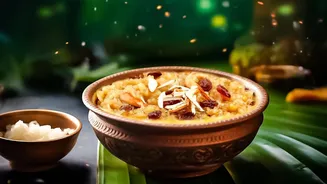
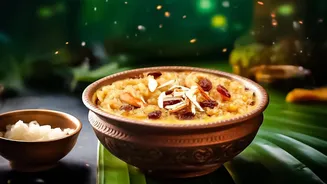
Across South India, no festive meal is complete without a serving of payasam, a rich and creamy pudding. While there are countless variations, those made with jaggery ('vellam' in Tamil) are particularly cherished. The jaggery melts into a luscious, dark syrup that gives the payasam a beautiful colour and an earthy sweetness that milk or coconut milk complements perfectly. Whether made with rice, lentils (pasi paruppu), or flattened rice (aval), jaggery payasam is the ultimate comfort food. It is often flavoured with cardamom and garnished with cashews and raisins fried in ghee, adding layers of aroma and texture to this beloved dessert.
2. The Bengali Winter Treasure: Patishapta
As winter arrives in Bengal, so does 'nolen gur', the highly prized date palm jaggery. This seasonal delicacy is the star ingredient in many regional sweets, including Patishapta. These are delicate, thin crepes made from a batter of rice flour, semolina, and all-purpose flour. The crepes are then filled with a sublime mixture of freshly grated coconut cooked with nolen gur until it becomes a sticky, fragrant delight. The filled crepes are rolled up like little cigars and served warm. Each bite offers the soft, tender crepe followed by the sweet, smoky, and slightly fudgy coconut-jaggery filling—a true taste of a Bengali winter.
3. The Festive Bite: Til Gud Ladoo
The festival of Makar Sankranti, which celebrates the harvest, is marked by the preparation of Til Gud Ladoo across many parts of India, especially in Maharashtra. These simple, bite-sized sweets embody the spirit of the festival. The phrase 'til gul ghya, god god bola' is exchanged, which translates to 'take this sesame and jaggery and speak sweet words'. The ladoos are made from just two main ingredients: roasted sesame seeds ('til') and melted jaggery ('gud'). The warmth from the jaggery is believed to be beneficial during the cold winter months. The nutty crunch of the sesame seeds combined with the rich sweetness of jaggery creates a satisfying and wholesome treat that is both delicious and symbolic.
4. The Ancient Offering: Adhirasam
With a history stretching back over a thousand years to the Chola dynasty, Adhirasam is a sweet with a deep cultural and historical significance in Tamil Nadu. This doughnut-like delicacy is made from a dough of rice flour and jaggery syrup, which is then rested, sometimes for days, to allow the flavours to mature. The preparation requires significant skill, especially in getting the jaggery syrup to the perfect 'soft ball' consistency. The flattened discs of dough are deep-fried in ghee or oil until they are dark brown on the outside but remain soft and slightly chewy on the inside. Adhirasam is a staple during Diwali and weddings, where it is offered to gods and guests as a symbol of prosperity and sweetness.
5. The Prized Delicacy: Nolen Gurer Sandesh
Another jewel of Bengali winter cuisine, Nolen Gurer Sandesh elevates the humble 'chenna' (fresh cottage cheese) to an art form. Sandesh is a famous Bengali sweet, but the version made with 'nolen gur' (date palm jaggery) is considered the pinnacle. Freshly made chenna is kneaded until it's perfectly smooth and then cooked gently with grated nolen gur. The heat melds the two, creating a soft, fudge-like mixture that carries the unmistakable smoky and caramel aroma of the special jaggery. This mixture is then pressed into traditional moulds or shaped by hand. The result is a dessert that is delicate, fragrant, and melts in the mouth, showcasing the prized seasonal jaggery in its purest form.