




Choosing the Right Plants
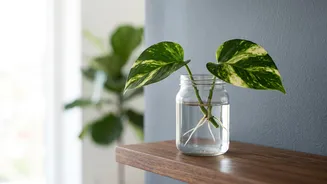
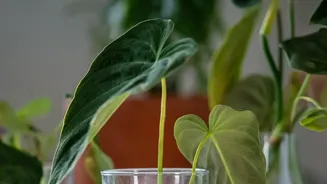
Success begins with selection. While many plants can be propagated this way, beginners should start with those that root easily. In India, this includes many beloved household and garden regulars. Heartleaf Philodendron, Money Plant (Pothos), and Syngonium
are incredibly forgiving indoor options. For your outdoor spaces, consider taking cuttings from Hibiscus, Bougainvillea, Coleus, or Rose. Always choose a healthy, mature 'parent' plant that is free from pests, diseases, or stress. Look for vigorous stems that are actively growing.
Gathering Your Simple Toolkit
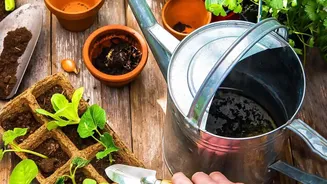
You don’t need a professional lab, just a few basic items. First, a clean, sharp tool like pruning shears, a knife, or even a razor blade is crucial. A sharp cut prevents crushing the stem tissue, which helps with water uptake. You will also need a small pot or container with drainage holes, and a suitable rooting medium. Many gardeners also use a rooting hormone, a powder available at nurseries, to speed up root development, though many easy-to-root plants will grow without it.
Making the Perfect Cut
Timing and technique are everything. The best time to take a cutting is early in the morning, when the parent plant is full of water. Identify a healthy stem and look for a node—the small bump on the stem where a leaf grows from. This area is rich with cells that can generate roots. Make a clean cut about 3 to 5 inches from the tip of the stem, ensuring you snip just below a node. Avoid stems that have flowers or buds, as they divert energy away from root formation.
Preparing the Cutting for Planting
Once you have your cutting, a little preparation is needed. Gently remove the lower leaves from the stem, leaving only two or three at the very top. Any part of the stem that will be underground should be bare to prevent rot. If you're using rooting hormone, pour a small amount into a separate dish. If the stem seems dry, you can dip the cut end in water first, then into the powder, and tap off any excess. Never dip the cutting directly into the main hormone container to avoid contamination.
Planting and Creating a Humid Home
Now it's time to plant. Fill your pot with a moist, well-draining rooting medium. A mix of cocopeat and perlite, or even coarse sand, works well because it allows for both aeration and moisture retention. Use a pencil or stick to make a hole in the medium, then carefully insert the cutting, ensuring the nodes are buried. Gently firm the medium around the stem. To create a humid environment that prevents the cutting from drying out, you can cover the pot with a clear plastic bag. Place the pot in a location with bright, indirect sunlight. Direct sun can scorch the young cutting.
Patience, Water, and Aftercare
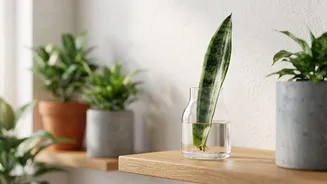
The final step is waiting. Keep the rooting medium consistently moist but not waterlogged. Misting the leaves occasionally can also help. Rooting times vary widely; some plants show roots in a couple of weeks, while others might take over a month. You can check for root growth by giving the cutting a very gentle tug. If you feel resistance, roots have likely formed. Once a healthy root system of about an inch long is established, you can transplant your new plant into a larger pot with regular potting soil and care for it as you would the parent plant.