






From Chaos to Curation
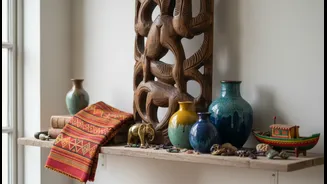
We all have them: the small collection of items brought back from trips and special occasions. A ceramic tile from Lisbon, a carved wooden bird from a local market, a handful of beautiful shells. Individually, they are full of meaning, but when placed
together on a bookshelf or mantel, they can create visual noise. Without a clear focal point, the eye doesn't know where to land, and the result can feel scattered and unintentional. This is a common decorating dilemma where a group of small, equally-weighted objects competes for attention, making a surface feel cluttered rather than collected. The key to fixing this is to introduce a visual hierarchy—a way of telling the eye what to look at first.
The Power of an Anchor Piece
In interior design, an anchor piece is a dominant element that grounds a collection of objects or an entire room. It’s the visual ‘star of the show’ that provides balance, structure, and a central point for everything else to relate to. By having one larger, more substantial item in your group of souvenirs, you create a sense of order and purpose. This anchor doesn't just hold down the arrangement physically; it holds it together visually. It gives the eye a place to rest before taking in the smaller, supporting items, transforming a random assortment into a thoughtful vignette that tells a story. Without this grounding element, a display can feel incomplete and unbalanced.
How to Choose Your Anchor
Selecting an anchor piece is simpler than it sounds. It is often the largest or tallest item in your grouping, but it doesn't have to be a souvenir itself. A beautiful vase, a statement lamp, a large framed photo from your travels, or even a stack of hardcover books can serve this purpose beautifully. Another effective technique is to use a tray to corral smaller items; the tray itself becomes the anchor that unifies the collection. When choosing, consider scale and proportion. The anchor should feel substantial enough to command attention but not so large that it completely overwhelms the smaller treasures you want to display. Think about what best captures the theme or feeling you want to convey with your collection.
Arranging Your Masterpiece
Once you have your anchor, the rest of the styling process becomes much more intuitive. Place your anchor first, typically towards the back or center of the surface. Then, begin layering in the other items around it. A classic designer trick is to create a visual triangle, placing taller items in the middle and shorter ones on the sides. Vary the heights and textures of your objects to add depth and interest. For example, if your anchor is a tall, smooth vase, pair it with a shorter, more textured object. Don't line everything up in a row; instead, overlap items slightly to create a layered effect that feels richer and more engaging. Most importantly, leave some 'breathing room' or negative space around the items. A display that isn't overcrowded feels intentional and allows each special piece to be appreciated.
Think Beyond the Bookshelf
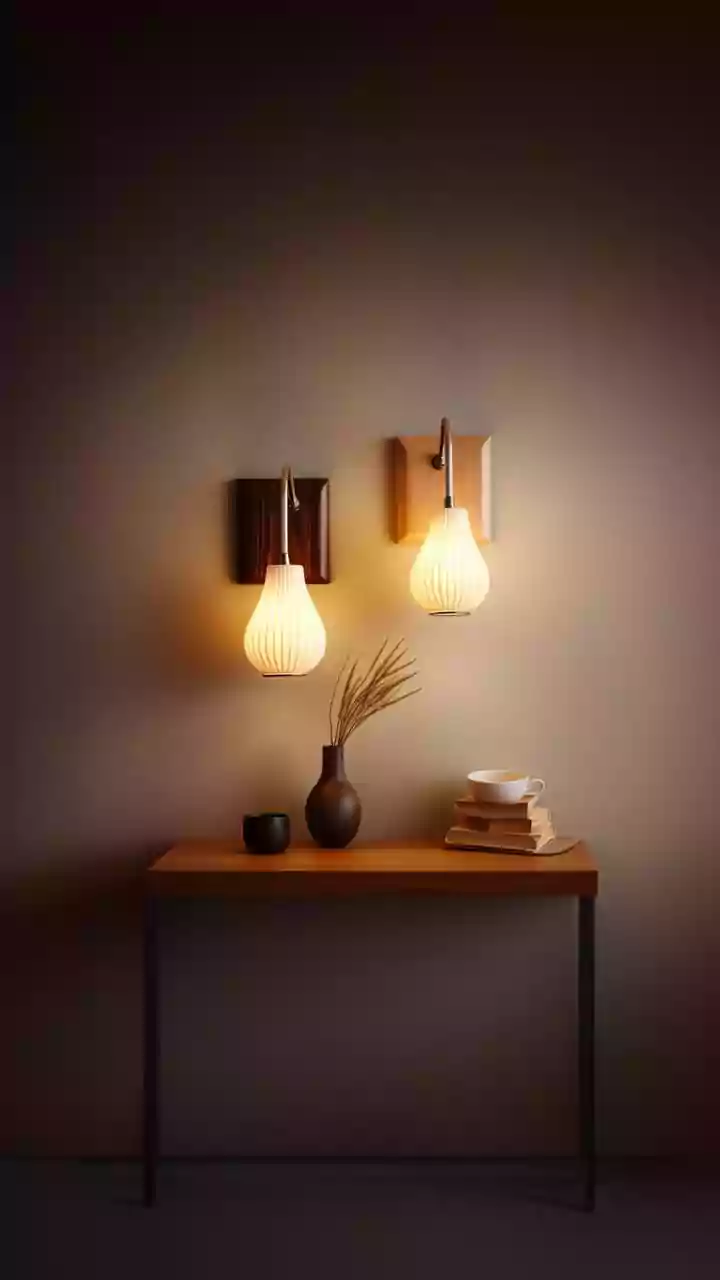
This principle isn't just for mantels and bookcases. You can create these beautiful, anchored vignettes on almost any flat surface in your home. An entryway console table is a perfect spot for a welcoming display, anchored by a mirror or a piece of art. A dresser top in a bedroom can hold personal mementos grouped around a beautiful jewelry box or a lamp. Even a kitchen counter can feature a small collection of culinary souvenirs—like spice jars or small ceramic bowls—grouped on a wooden cutting board that acts as the anchor. By applying this simple concept, you can turn any corner of your home into a meaningful and stylish showcase of your life's adventures.