





The Gentle Power of Tai Chi
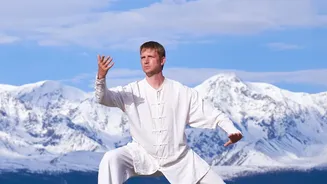
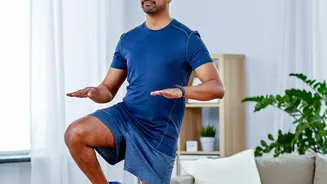
Often described as 'meditation in motion', Tai Chi is an ancient Chinese practice built on slow, flowing movements and deep, focused breathing. While it appears gentle, its benefits for core strength are profound. The practice emphasizes maintaining a low center
of gravity and constant, controlled weight shifts. This forces the deep stabilizing muscles of your abdomen and lower back to remain engaged throughout the entire session. Think of it as a continuous, subtle plank, where your core is the anchor for every graceful motion. This sustained engagement builds endurance in the very muscles responsible for holding your spine in proper alignment, directly combating the slouch that comes from a weak midsection.
Skating: Dynamic Core on Wheels
Whether on ice or with inline skates, skating presents a completely different kind of core challenge. The act of balancing on a thin blade or a line of wheels is an exercise in dynamic stability. To stay upright, your body must make constant, rapid micro-adjustments, and this work originates from your core. Every push and glide activates the postural muscles in your abdomen and back to create a stable platform. Without a strong, engaged core, you'd simply topple over. Furthermore, the powerful side-to-side leg movements used to propel yourself forward heavily engage your glutes and obliques, key components of the core musculature that are often neglected in traditional workouts.
How Each Shapes Your Posture
Both activities improve posture, but they approach it from different angles. Tai Chi cultivates posture through mindful awareness. Practitioners are taught to feel their alignment, stacking their joints and lengthening their spine consciously. It enhances proprioception—your body’s ability to sense its position in space—which is crucial for maintaining good posture without constantly thinking about it. Skating, on the other hand, almost forces good posture through necessity. Leaning too far forward or slumping your shoulders throws off your balance and makes gliding inefficient. To skate well, you naturally learn to keep your torso upright and stable, a habit that carries over long after you've taken the skates off.
Mindful Flow or Cardio Rush?
The choice between Tai Chi and skating might come down to your personality and fitness goals. Tai Chi is a low-impact exercise, making it exceptionally kind to the joints and accessible to people of all ages and fitness levels. Its benefits extend beyond the physical, as the meditative focus is known to reduce stress and improve mental clarity. Skating offers a more vigorous cardiovascular workout. It burns a significant number of calories, builds lower body strength, and delivers the exhilarating feeling of speed and freedom. It's a workout that can feel like play, perfect for those who enjoy being outdoors and covering distance.
Which Is the Right Choice for You?
If you're looking for a low-impact, restorative practice that builds strength, balance, and mental focus all at once, Tai Chi is an outstanding option. It's particularly beneficial for improving stability and can be a great starting point for those new to exercise. If, however, you crave a higher-energy activity that doubles as a powerful cardio and leg-strengthening workout, skating is an excellent fit. It provides a fun, dynamic challenge that builds a strong and responsive core. Both are proven to be effective, so the best choice is the one that you’ll enjoy and consistently practice.