



The Ancient Mountain Fortress of Khinalig
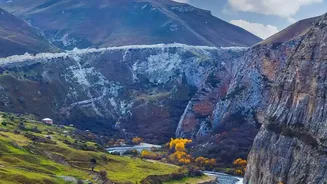
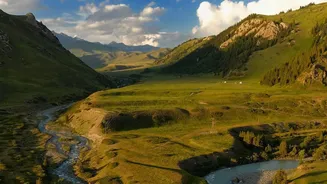
Perched over 2,300 metres above sea level in the Greater Caucasus Mountains, Khinalig is not just a village; it's a living museum. As one of the oldest continuously inhabited places in the Caucasus, its stone houses are stacked so tightly up the steep
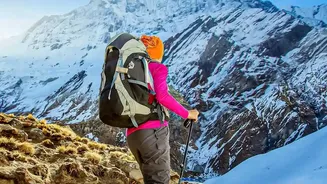
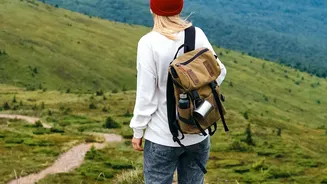
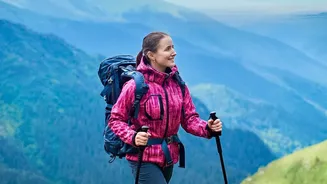
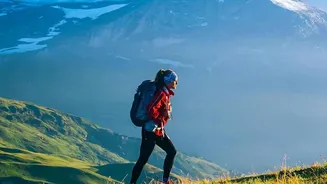
mountainside that the roof of one home serves as the courtyard for the one above. The journey itself, a spectacular drive from the town of Quba, winds through dramatic canyons and alpine meadows, building anticipation for the final destination. The people of Khinalig have their own unique language, 'Ketsh', and a history stretching back 5,000 years. Recently, the village and its historic 'Köç Yolu' transhumance route were added to the UNESCO World Heritage List. For hikers, the area is a paradise, offering marked trails to nearby villages like Galakhudat and Laza, with breathtaking views of surrounding peaks such as Shahdag and Bazarduzu. This is a place to disconnect and immerse yourself in a culture that has withstood the test of time.
Lahij, the Village of Master Artisans
Nestled deep within a canyon in the Ismayilli region, Lahij feels like a world away from the present day. Famous for centuries for its master coppersmiths, the clanging of hammers still rings through its cobbled streets. Artisans here create intricate copperware, leather goods, and carpets using techniques passed down through generations. The journey to Lahij is an adventure in itself, involving a drive through a stunning canyon alongside the Girdimanchai River. Beyond the workshops, the village is a maze of stone houses with wooden balconies and an ancient, functional sewage system that predates many modern cities. For those looking to stretch their legs, the surrounding mountains offer scenic hiking routes, especially appealing in the summer when the cool mountain air provides a respite from the city heat. A visit here offers a rare chance to connect with a way of life where history and craftsmanship are part of the daily fabric.
Sheki and the Historic Silk Road Trails
The city of Sheki, a former Silk Road hub, is a perfect base for exploring a region rich in both history and nature. While the magnificent Palace of the Sheki Khans and ancient caravanserais draw many visitors, the real detours lie in the surrounding foothills of the Caucasus. A short trip from the city leads to the village of Kish, home to one of the oldest Christian churches in the Caucasus. The area is part of the Transcaucasian Trail, offering routes that wind through forested valleys and highland pastures. Hikers can tackle trails to the ruins of the Galarsan-Gorarsan fortress or explore waterfalls hidden in the dense forests. These paths blend cultural discovery with physical activity, taking you along the same routes trodden by traders and shepherds for centuries. Combining the architectural splendours of Sheki with the natural beauty of its hinterlands makes for a truly rewarding experience.
The Lush Subtropical Talysh Mountains
In the south of Azerbaijan, bordering Iran, the Talysh Mountains offer a completely different landscape. This region is known for its humid, subtropical climate and the Hirkan National Park, a protected area of relic and endemic trees. Unlike the stark, high-altitude beauty of the northern Caucasus, the Talysh range is a world of lush forests, hidden waterfalls, and moss-covered rocks. This is one of Azerbaijan’s lesser-known tourist regions, making it ideal for travellers seeking solitude and untouched nature. Hiking trails here, often accessible only by off-road vehicles, lead to remote villages inhabited by the Talysh people, who have their own distinct culture and language. Treks through the Hirkan forests can lead you to serene spots like Sim village and its stunning waterfall, offering a peaceful escape into one of the country's wildest and most beautiful corners.