





The Brilliance of Beans
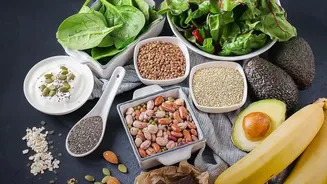
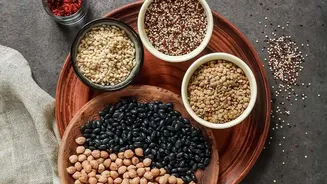
Beans are a cornerstone of healthy eating around the world for good reason. They are an excellent source of plant-based protein, packed with fibre that aids digestion and promotes a feeling of fullness. Regular consumption of beans, from rajma and chana
to black beans, can contribute to heart health. The beauty of beans lies in their versatility. A simple kidney bean curry (rajma) is a comforting North Indian classic, perfect with flatbreads. Black beans can be transformed into hearty soups, salads, and burgers. For a quick and nutritious meal, toss cannellini beans with chopped tomatoes, cucumber, and a light vinaigrette. You can also blend them into creamy dips; a butter bean puree topped with spiced carrots makes for an elegant appetiser. Don't forget that sprouting beans at home can enhance their nutritional profile and add a fresh crunch to salads and sandwiches.
Yoghurt's Versatile Charm
Plain yoghurt, or dahi, is a staple in Indian households, but its uses extend far beyond a simple side dish. Rich in probiotics, it supports gut health and can be a fantastic, creamy base for both sweet and savoury dishes. It serves as a natural meat tenderiser when used in marinades for chicken or lamb, infusing flavour and moisture. In place of mayonnaise or sour cream, Greek yoghurt offers a lighter, tangier alternative in chicken salads, dips, and potato salads. A simple raita with cucumber and mint is a classic cooling agent for spicy meals. For breakfast, a bowl of yoghurt with fresh fruit and nuts is a quick and protein-rich start to the day. It can even be used in baking to create moist and tender cakes. And of course, a refreshing lassi, sweet or salty, is the perfect way to beat the heat.
Vibrant, Essential Vegetables
The advice to fill half your plate with vegetables is some of the soundest nutritional guidance available. Packed with vitamins, minerals, and fibre, vegetables are crucial for overall physical and mental wellbeing. The key to enjoying them is variety in both type and preparation. Instead of just boiling them, try roasting vegetables like broccoli, cauliflower, and carrots to bring out their natural sweetness. Finely grating carrots or zucchini into pasta sauces, curries, or even meatball mixtures is an easy way to boost the nutritional content of a dish without picky eaters noticing. For breakfast, add a handful of spinach or chopped mushrooms to your scrambled eggs or omelette. Soups and stews are another fantastic vehicle for vegetables; you can add almost anything from pumpkin to peas. For a modern twist, use a spiralizer on zucchini or sweet potatoes to create vegetable 'noodles' as a healthy alternative to pasta.
The Goodness of Whole Grains
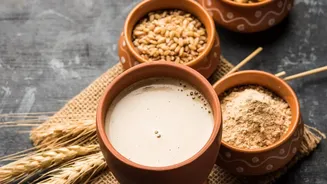
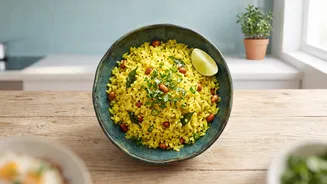
Whole grains, which include the entire grain kernel—bran, germ, and endosperm—are nutritionally superior to their refined counterparts. They are rich in fibre, B vitamins, and minerals, providing sustained energy. While rice is a staple, exploring other whole grains can add new textures and flavours to your meals. Barley, with its chewy texture and nutty flavour, is wonderful in soups and salads. Dalia, or cracked wheat, makes for a hearty pulao or upma and is a common breakfast food in India. Khichdi, the ultimate comfort food, can be made with whole wheat and moong dal for a rustic and crunchy texture, serving as a complete one-pot meal. Quinoa, a protein-packed seed, works well in salads and can be used as a base for vegan chili. Cooking these grains is simple: most just require simmering in water or broth until the liquid is absorbed.