

More Than Just a Stuffed Paratha
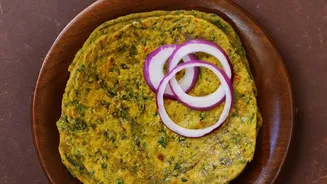
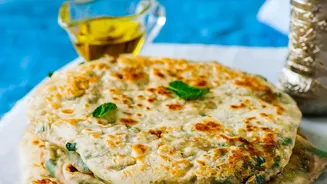
Unlike its more famous cousin, the aloo paratha, where the filling is encased within the dough, the methi paratha integrates its star ingredient directly into the whole wheat flour. Finely chopped fresh fenugreek (methi) leaves, along with a subtle blend
of spices like turmeric, red chilli powder, and perhaps some carom seeds (ajwain), are kneaded together to form a uniform dough. This method ensures that every single bite is infused with the distinct, aromatic character of the greens. The result is a flatbread that is not merely filled but is fundamentally flavoured through and through, offering a cohesive taste experience that is both rustic and refined. It’s a staple in many Indian households, celebrated for its simplicity and profound flavour.
An Ode to a Complex Flavour
In many Western culinary traditions, bitterness is a flavour to be avoided or masked. But in Indian cuisine, it is celebrated as a vital component of a balanced meal. Fenugreek leaves are a perfect example, possessing a unique flavour that is a blend of bitter and sweet notes. This gentle bitterness is not a flaw; it's the main attraction. It stimulates the palate and provides a complex counterpoint to the earthy wheat flour and the richness of the ghee or oil it's cooked in. This flavour profile is considered essential for digestion and cleansing the palate. The slightly bitter taste elevates the paratha from simple comfort food to a more interesting and sophisticated culinary experience, proving that a little bitterness can make things a whole lot better.
A Nutritional Powerhouse for Breakfast
Beyond its compelling taste, methi paratha is packed with health benefits, making it an intelligent choice to start the day. Fenugreek leaves are a rich source of essential nutrients, including iron, calcium, and vitamins A, C, and K. They are particularly known for their high fibre content, which aids in digestion, helps prevent constipation, and can contribute to a feeling of fullness, assisting in weight management. Traditionally, fenugreek has also been used to help regulate blood sugar levels, making it a valuable addition to a balanced diet. Incorporating these greens directly into a breakfast staple is a classic example of how traditional Indian cooking seamlessly blends nutrition with flavour.
The Art of the Perfect Paratha
While the concept is simple, achieving the perfect methi paratha has its nuances. The first step is to wash the leaves thoroughly to remove any grit. The key challenge is managing the moisture; since the leaves release water, it’s best to add water to the dough gradually. Some cooks prefer to lightly sauté the leaves before adding them to the flour to reduce their bitterness and moisture content. For a flakier texture, you can roll out the dough, brush it with ghee, fold it into a triangle or square, and roll it out again. When cooking on the tawa (griddle), use a medium heat. Cooking it too fast can leave the inside raw, while cooking it too slow can make it hard. A few flips, a gentle press with a spatula, and a final brush of ghee or oil will yield a paratha that’s soft on the inside with a delightful, lightly crisp exterior.
Serving Suggestions and Pairings
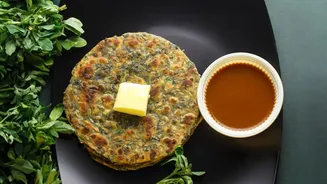
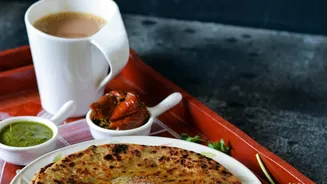
The methi paratha is wonderfully versatile and needs little accompaniment to shine. Its inherent flavours are strong enough to be enjoyed on their own, perhaps with just a dollop of white butter melting on top. However, the classic and most beloved pairing is with a simple bowl of plain dahi (yogurt). The coolness and slight sourness of the yogurt perfectly balance the paratha's bitter notes and warmth. For a more substantial meal, it pairs beautifully with any kind of pickle (achar) or a simple vegetable curry. Whether it's for a quick weekday breakfast, a leisurely weekend brunch, or even packed for a lunchbox, the methi paratha stands as a testament to the satisfying complexity of Indian home cooking.