






Introducing the PUFFINS Mission
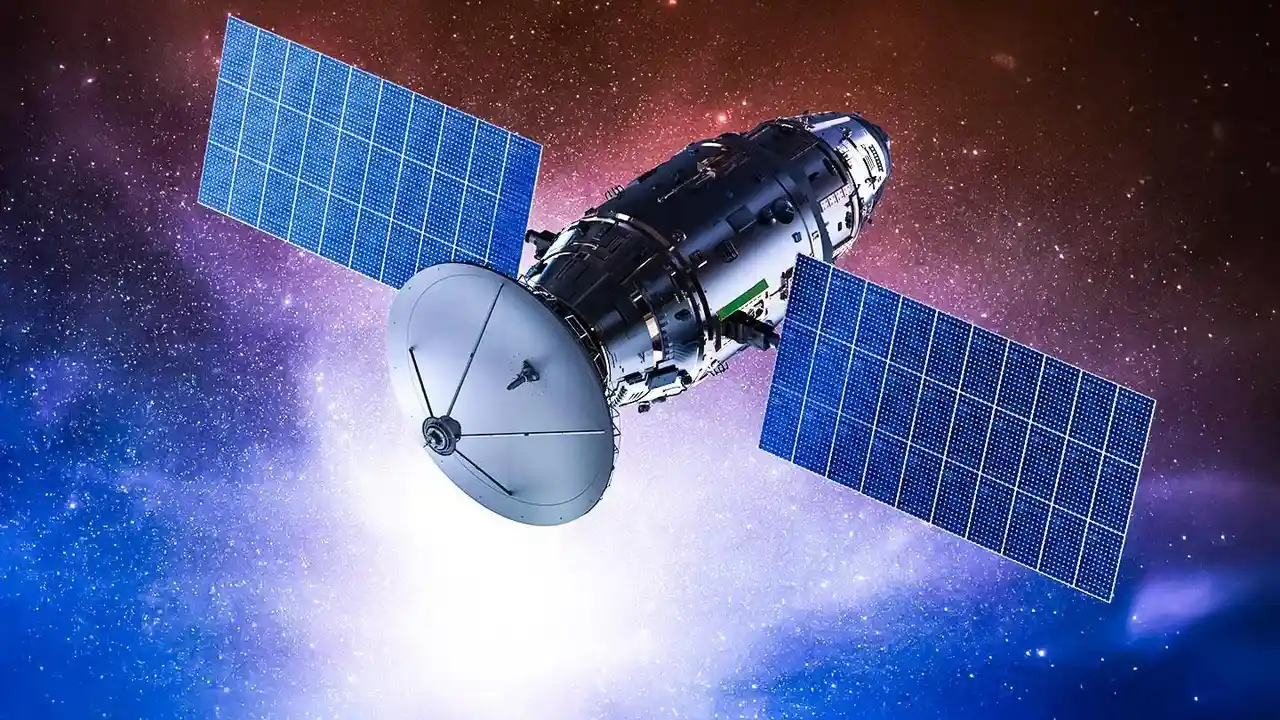
PUFFINS, which stands for Polarimetry in the Ultraviolet to Find Features in INterStellar dust, is a small satellite mission with a grand purpose. Selected as part of NASA's Astrophysics Pioneers program, it represents a new approach to space science:
smaller, cost-effective missions designed to tackle specific, high-impact questions. With a budget of around $20 million, PUFFINS is a nimble project led by the University of Arizona's Steward Observatory. Its goal is to provide crucial data that has been missing from our understanding of the galaxy. The mission is a joint effort also involving the McDonald Observatory and other scientists. It is notably led by Principal Investigator Dr. Ramya Anche, a Bengaluru-born astronomer.
The Enigma of Cosmic Dust
For decades, astronomers have known that interstellar dust plays a critical role in the universe. These tiny grains, some smaller than 50 nanometres, are the raw materials from which stars and planets are made. They populate the vast clouds of gas and dust that collapse under gravity to form stellar nurseries. However, the exact physics of this process remains murky. A key missing piece of the puzzle is understanding the role of magnetic fields. These fields thread through the galaxy and are believed to guide the dust grains, either helping or hindering the formation of stars. PUFFINS aims to map these invisible magnetic structures to finally clarify how they influence the birth of stars and, by extension, the evolution of galaxies.
A New Way of Seeing
To achieve its goals, PUFFINS will employ a technique called ultraviolet spectropolarimetry. In simple terms, it will observe the ultraviolet light from at least 70 distant stars as it passes through clouds of interstellar dust. The mission's small, 10-inch telescope is specially designed to measure the polarization of this light—essentially, the orientation of the light waves. Because tiny, elongated dust grains tend to align themselves with the local magnetic field, they imprint a specific polarization signature on the starlight passing through them. By measuring this signature, scientists can reverse-engineer a map of the magnetic fields and learn about the composition and structure of the dust itself. This technique has not been deployed in space for nearly three decades, making PUFFINS a long-awaited sequel to earlier observations.
The Significance of a 2029 Launch
While some reports have mentioned a 2030 target, the planned 2029 launch is significant. This timeline positions PUFFINS to provide foundational knowledge for one of NASA's next great observatories, the Habitable Worlds Observatory (HWO), which is planned for the 2040s. The data from PUFFINS will help refine the technologies and scientific goals for future, larger-scale missions. As a SmallSat operating in low-Earth orbit, PUFFINS has a more focused development and launch schedule than larger, more complex probes. The 2029 date represents a strategic point where the technology is mature, the scientific questions are clearly defined, and the mission can deliver maximum value as a precursor to even more ambitious projects, filling a critical gap in our astronomical toolkit.