



The Brewing Battleground
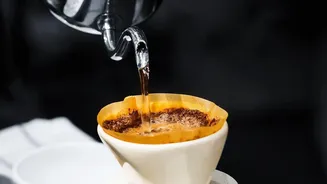
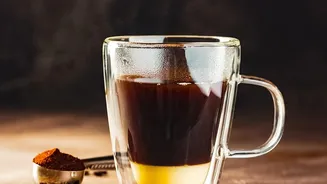
At the heart of the debate is the brewing method. For many, this is where the primary lines are drawn. On one side, you have the meticulous pour-over enthusiast, who argues that their method provides a cleaner, brighter cup that highlights the nuanced
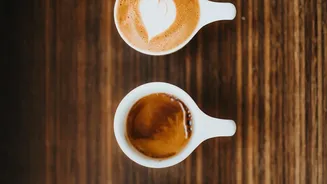
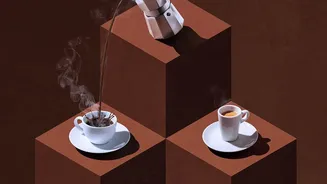
flavours of the bean. They might see automated drip machines as a compromise and French presses as producing a muddled, silty brew. French press loyalists, however, champion the full-bodied, robust flavour their immersion method provides, arguing it delivers a richer and more complete coffee experience. Then there are the espresso purists, who believe the concentrated shot is the truest expression of coffee. Each camp is armed with its own vocabulary and a belief that their chosen method is scientifically and artistically superior, turning a simple morning routine into a craft.
The Purity Argument: Black or Not?
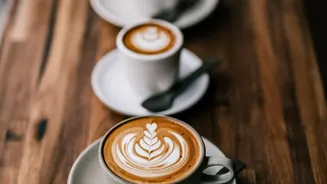
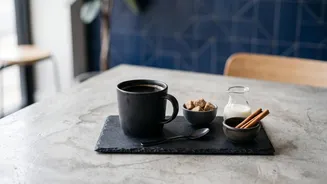
Perhaps no debate is more common than the question of additives. To the purist, adding milk, cream, or sugar is an act that masks the coffee's true character. This viewpoint has been strengthened by the rise of 'third wave' coffee, a movement that treats coffee as an artisanal product, much like wine, with an emphasis on bean origin, terroir, and specific flavour notes like 'cherry' or 'jasmine'. From this perspective, adding a splash of milk to a carefully sourced Ethiopian Yirgacheffe is like adding ice to a fine red wine. However, those who enjoy a creamier, sweeter cup argue that coffee is meant to be enjoyed, not just analyzed. For them, the comfort, nostalgia, and palatability provided by milk and sugar are what make coffee a beloved ritual, not a test of one's palate. Some research even suggests that our preference can be linked to genetics and how sensitive we are to bitterness.
More Than Just a Drink
Ultimately, these debates are about more than just taste. They are about identity. Your coffee order has become a small reflection of your personality and values. A simple black coffee can signal a no-nonsense, efficient personality, while a complicated, custom latte might suggest a more expressive and social nature. The rise of specialty coffee culture has also introduced a level of snobbery, where knowing the difference between a washed and a natural processed bean can be a form of social currency. This has turned coffee from a simple commodity into a hobby and a status symbol. The daily act of making or ordering coffee is a ritual. It provides a moment of predictable comfort and control in a chaotic world. Whether that ritual involves a 15-minute pour-over ceremony or a quick stop for a familiar chain coffee, we become protective of it because it is uniquely ours.
The Science of Perception
Interestingly, science shows that our perception of taste is not as objective as we might think. The entire sensory experience—from the colour and weight of the mug to the sounds in the room—can alter how we perceive flavour. Studies have shown that coffee can taste more intense in a white mug or sweeter when listening to high-pitched music. Even the temperature of the coffee can suppress certain flavours while amplifying others; a cup might reveal more sweetness and complexity as it cools. This means that the 'perfect' cup is a moving target, influenced by our environment and state of mind as much as the beans and brew method. What tastes right in a bustling cafe might taste completely different in the quiet of your home kitchen, giving each side of the debate a legitimate, if subjective, claim.