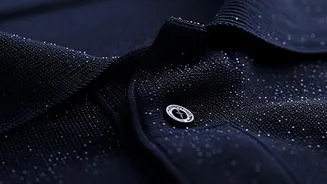







It’s a familiar frustration: you pull a freshly washed black shirt over your head, only to see it covered in tiny specks of dust and lint. It’s not your imagination—dark clothes really do seem to attract more fluff. Here’s the science behind why.
It’s All About Light and Contrast
The primary
reason dust and lint are so obvious on dark clothing comes down to simple physics. Dark-coloured fabrics, like black, navy, or deep grey, absorb most of the visible light that hits them. This is what makes them appear dark to our eyes. Most household dust, on the other hand, is composed of light-coloured particles. This includes things like dead skin cells, pet dander, pollen, and tiny fibres from carpets and other textiles. When these pale particles land on a dark surface that absorbs light, they create a stark visual contrast. The light-coloured dust reflects light back to your eye, making each tiny speck stand out against the non-reflective, dark background. On a white or light-coloured shirt, the same amount of dust is present, but it blends in because both the fabric and the dust are reflecting light.
The Science of Static Attraction
While contrast explains visibility, it doesn't tell the whole story. Static electricity is another key culprit that turns your dark clothes into dust magnets. When fabrics rub against each other, especially in the dry environment of a tumble dryer, they can generate an electrostatic charge through the triboelectric effect. This charge attracts oppositely charged particles floating in the air, which includes a lot of dust and lint. Synthetic fibres like polyester and nylon are particularly notorious for building up static charge compared to natural fibres like cotton. This is because synthetics are less able to dissipate the electrical charge, especially in dry air. So, that fleece jacket or polyester-blend trouser is not just showing dust more clearly; it might actually be pulling more of it from the environment.
What Is Dust and Lint, Anyway?
To understand why it’s so visible, it helps to know what you’re looking at. Household dust is a diverse mix. While many believe it's mostly human skin, studies show it's a hodgepodge of materials. The main components are often fabric fibres from clothes, carpets, and upholstery, along with tracked-in soil, pollen, and yes, dead skin cells from people and pets. Lint is primarily made of short, broken fabric fibres that shed from textiles during wear and washing. Fabrics like new towels, fleece, and flannel are major lint producers. Because many of these components—especially skin cells, cotton fibres, and pet dander—are light or greyish in colour, they are destined to pop on a dark canvas.
How to Fight the Fluff on Dark Fabrics
While you can't change the laws of physics, you can take practical steps to minimise the appearance of dust and lint on your dark clothes. The best strategy is prevention. Try washing darks separately from light-coloured, lint-producing items like towels and fleece blankets. Turning dark garments inside out before washing can also protect the outer surface from friction and fibre transfer. Using a gentle cycle with cooler water can reduce fibre shedding. To combat static, avoid over-drying your clothes in the dryer, as the tumbling action in dry heat is a major cause of static buildup. Adding about a half-cup of white vinegar to the rinse cycle can act as a natural fabric softener and help reduce static cling. For removal, a classic sticky lint roller is your best friend for a quick touch-up. In a pinch, wrapping tape around your hand (sticky side out) works just as well. For more stubborn lint, a slightly damp rubber glove wiped across the fabric can grip and gather fibres effectively.