





What's New About This Strategy?
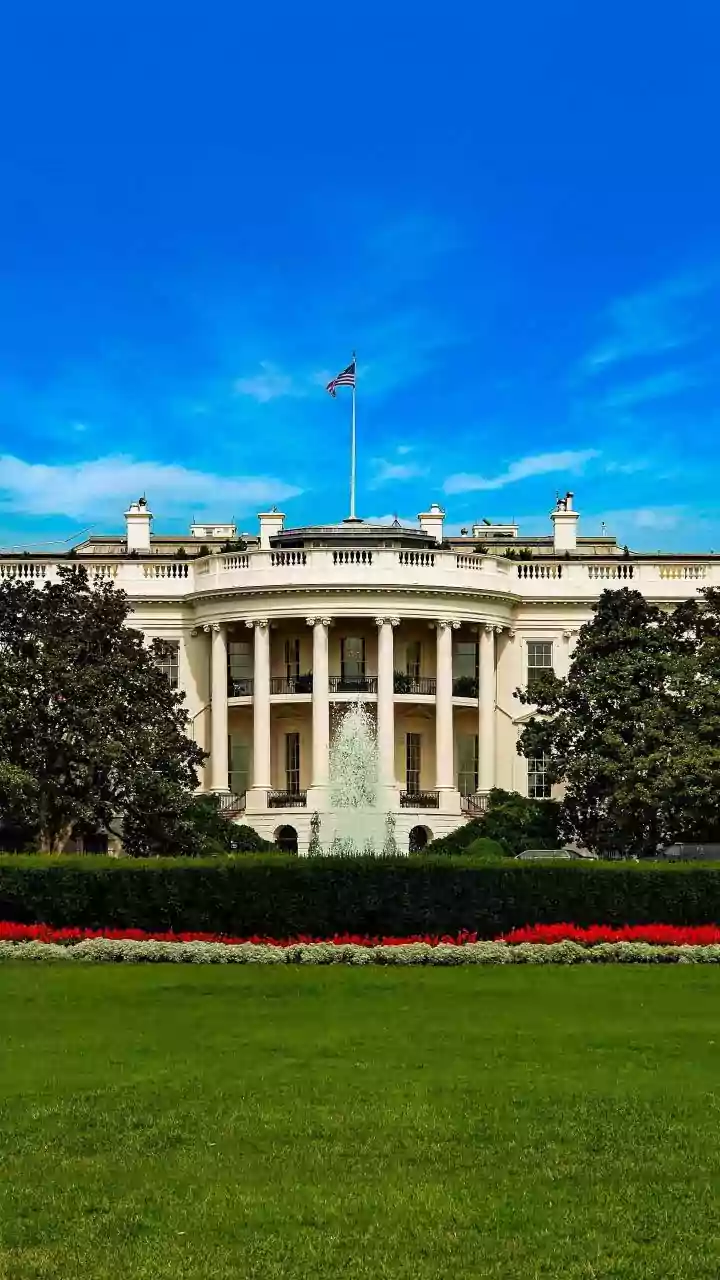
On Monday, US Treasury Secretary Scott Bessent announced what he termed an “economic D-Day,” designed to sever Iran's remaining links to the global financial system. Unlike previous sanctions that targeted specific entities, this new approach is far broader.
The strategy expands the threat of “secondary sanctions,” which penalize foreign countries and companies that continue to do business with Tehran. Any entity facilitating transactions for Iran now risks being cut off from the US dollar system. The stated goal is the “economic asphyxiation” of the regime, aiming to cut off every financial lifeline sustaining it.
The Key Sectors and Targets
The Treasury Department has identified five critical sectors of the Iranian economy as primary targets: technology, digital assets, gold, aviation, and shipping. These areas are seen as vital lifelines that Iran uses to support its economy and evade existing restrictions. Alongside these sectoral sanctions, the US has also designated nearly 60 new individuals, entities, and vessels. This includes a network of brokers and “shadow fleet” vessels across the UAE, China, and Europe accused of transporting Iranian oil and funneling revenues to the Islamic Revolutionary Guard Corps (IRGC). The campaign also targets Iranian cyber actors accused of attacks on US critical infrastructure.
Why Is This Happening Now?
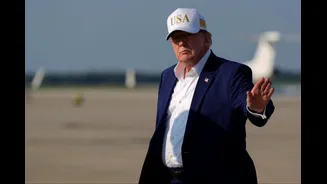
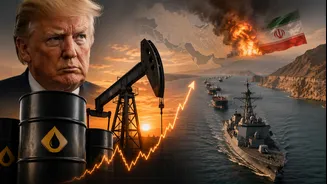
This economic offensive marks a strategic pivot in a conflict that began nearly six months ago. With military actions resulting in a stalemate and diplomatic talks stalled, the US administration is now intensifying financial warfare. The move comes as Iran has effectively blockaded the crucial Strait of Hormuz, disrupting global shipping and contributing to higher energy prices. By launching “Operation Economic Outcast,” the US aims to force Iran to capitulate by crippling its economy, a goal military force has not achieved. President Trump and his administration are betting that this coordinated economic isolation will succeed where other measures have failed.
Iran's Response and the Global Reaction
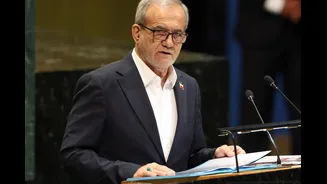
Tehran has responded with defiance. Iranian Economy Minister Ali Madanizadeh stated that the country is “fully prepared” and described the US strategy as “economic terrorism,” vowing to retaliate. Iranian officials have expressed confidence that major trading partners like China and Russia will resist the US pressure campaign. The global reaction has been cautious. While the US has put the world on notice, it has stopped short of immediately sanctioning major financial institutions in countries like China, instead offering a “cure period” for them to sever ties with Iran. This hesitation highlights the diplomatic risks, as analysts note Washington is likely wary of potential retaliation from Beijing, such as curbs on critical mineral exports.
What This Means for the Global Economy
The immediate impact has been felt within Iran, where the currency, the rial, has hit a new record low against the dollar in anticipation of the new measures. The country is already facing soaring inflation, which the government puts at nearly 90%. For the rest of the world, the implications are significant but uncertain. The threat of secondary sanctions creates a difficult choice for countries and multinational corporations with business in both Iran and the US. Major trading partners like China, India, and Turkey are directly in the crosshairs. The success of the US strategy hinges on how these nations respond and whether the threat of being excluded from the dollar-based system is enough to force them to abandon their economic ties with Tehran.