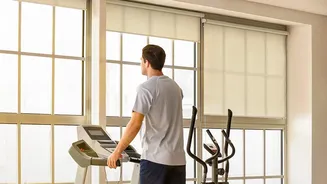




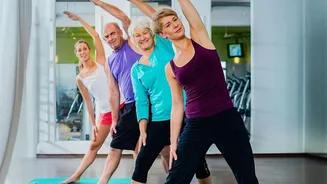

Staring at the timer on a treadmill can make minutes feel like hours. For many beginners, the biggest barrier to cardio isn't the effort—it's the boredom. But what if exercise could feel less like a chore and more like a celebration? It can.
The Science of a Good Beat
There's a
reason your head starts nodding when a great song comes on. Music has a powerful psychological and physiological effect on our bodies. Research shows that listening to music during exercise can make the activity feel less strenuous and more enjoyable. One of the key benefits is its ability to distract you from feelings of fatigue. Instead of focusing on your burning muscles or how much time is left, your brain tunes into the melody and rhythm. Studies have demonstrated that listening to music can reduce perceived exertion by up to 12%, meaning you can often work out longer and harder without even realizing it. Faster-tempo music, particularly in the range of 120-140 beats per minute (BPM), is often linked to increased effort and endurance in moderate-intensity activities like brisk walking or cycling. The right playlist doesn't just pass the time; it can actively enhance your performance and mood.
Why Choreography Engages Your Brain
While music provides the soundtrack, choreography provides the script. Following a set routine of movements does more than just get your heart pumping; it fully engages your mind. Instead of zoning out, you have to concentrate on the next step, turn, or arm movement. This mental focus is a form of active mindfulness that keeps you present and prevents your mind from wandering to how tired you are. Learning and repeating patterns helps improve coordination, balance, and agility over time. For beginners, choreographed workouts are especially beneficial because the structure removes the guesswork. You don't have to decide what to do next; you simply follow the instructor. This guided experience can build confidence and make the entire workout feel more like a fun, unified activity rather than a series of disconnected exercises. The sense of accomplishment from mastering a new combination provides a rewarding feeling that reinforces the habit.
Finding Your Rhythm: Dance Fitness for Everyone
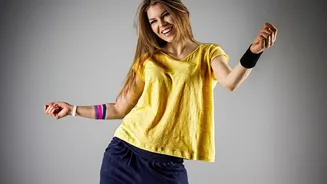
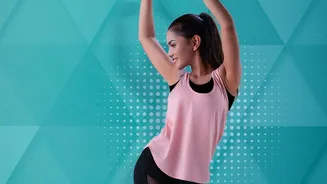
The fusion of music and choreography is most famously found in dance fitness. These classes are designed to be effective cardio workouts that feel more like a party. They are inherently beginner-friendly because perfection isn't the goal—movement is. Options like Zumba, which is based on Latin dance styles like salsa and merengue, offer high-energy, repetitive routines that are easy to follow. Another popular choice is Bollywood dance fitness, which combines the expressive and energetic movements from Indian cinema with a great cardio workout. These classes celebrate rhythm and storytelling through movement. Many gyms and community centers offer these classes, but there's also a world of options available online. You can find thousands of free, beginner-friendly dance workouts on platforms like YouTube, ranging from 7-minute quick-start routines to full 30-minute classes.
How to Get Started at Home
You don’t need a gym membership or professional dance experience to reap the benefits. Creating an effective and enjoyable cardio routine at home is easier than ever. Start by finding an online instructor or app whose style you enjoy; a motivating teacher can make all the difference. Look for videos specifically labeled for beginners, as they often break down moves slowly and offer low-impact modifications. Clear a small, safe space in your home where you can move without bumping into furniture. Most importantly, curate a playlist that makes you want to move. Whether it’s 80s pop, Motown classics, or the latest Bollywood hits, choosing music you genuinely love is one of the strongest motivators for sticking with your routine. The goal is to create a positive, judgment-free environment where you feel comfortable letting loose and having fun.