



A vibrant purple potato is making headlines, not just for its striking colour but for its nutritional promise. Developed by Indian scientists, this crop is a genuine innovation. But can one vegetable really solve a problem as complex as malnutrition?
A New Star on the Plate
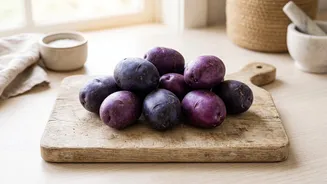
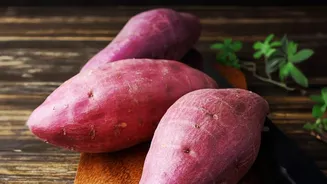
Indian agriculture has a colourful new addition: a purple potato. Developed by the Indian Council of Agricultural Research–Central Potato Research Institute (ICAR-CPRI), varieties like 'Kufri Jamunia' and 'Kufri Neelkanth' are turning heads. Unlike their conventional cousins, these potatoes boast a deep purple hue, not just on their skin but through their flesh as well. This striking colour comes from anthocyanins, the same natural pigments that give blueberries, jamuns, and red cabbage their characteristic shades. Kufri Jamunia, released in 2024, is the result of years of research, created by cross-breeding different potato lines to naturally enhance its nutritional content—a process known as biofortification. This innovation aims to pack more nutritional punch into a staple food.
The Power of Purple
The excitement around these potatoes is rooted in the health benefits of anthocyanins. These compounds are powerful antioxidants, which help protect the body's cells from damage caused by unstable molecules called free radicals. Diets rich in anthocyanins are associated with a range of health benefits, including a reduced risk of cardiovascular disease, anti-inflammatory effects, and improved brain health. The new purple potato varieties are loaded with them. For example, 100 grams of Kufri Jamunia contains a significant amount of anthocyanins, in addition to being a rich source of Vitamin C and containing more iron and zinc than regular potatoes. This makes it a nutritionally superior option, offering more than just carbohydrates.
Why One Food Is Never a Cure
While the nutritional profile of the purple potato is impressive, it's crucial to understand that no single food can cure malnutrition. Malnutrition is a complex and devastating problem rooted in a host of interconnected issues. It's not just about the absence of one specific nutrient but often a chronic lack of sufficient calories, protein, and a wide range of essential vitamins and minerals—a condition known as 'hidden hunger'. The underlying causes are deep-seated, including poverty, food insecurity, lack of access to clean water and sanitation, poor healthcare, and insufficient dietary diversity. A person can consume enough calories to feel full but still suffer from deficiencies that impair cognitive development, weaken the immune system, and perpetuate a cycle of poor health. Simply adding one new vegetable to the mix, no matter how nutritious, cannot fix these systemic problems.
A Valuable Piece of a Larger Puzzle
So, what is the purple potato's true role? It is a valuable tool, not a silver bullet. Biofortified crops like Kufri Jamunia are a key strategy in the fight against hidden hunger because they increase the nutritional value of staple foods that people already eat. It offers a way to enhance diets and introduce beneficial antioxidants without requiring drastic changes in eating habits. The goal is to make the existing food system healthier. This potato can be a powerful addition to a balanced diet, helping to diversify nutrient sources and providing specific health benefits. But its success depends on it being part of a much broader strategy that includes promoting diverse diets, improving sanitation, ensuring access to healthcare, and addressing the economic inequalities that fuel malnutrition.
From Lab to Land and onto the Lali
The journey for this innovative crop is just beginning. Developed for cultivation in the northern plains of India, Kufri Jamunia has shown high yield potential in trials, a critical factor for farmer adoption. However, introducing any new crop variety comes with challenges. Consumer acceptance will depend on taste, texture, price, and appearance—the purple colour, while a sign of its nutritional power, might be unfamiliar to some. Furthermore, the actual nutrient intake can be affected by cooking methods. Scientists have noted its mealy texture makes it suitable for various Indian dishes like curries and parathas. Its success will ultimately hinge on its affordability, market uptake, and ability to integrate into the daily meals of ordinary families, complementing rather than replacing the diverse array of foods needed for true nutritional security.