




A New Mission in Earth Orbit
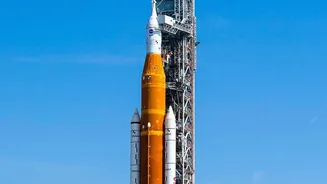
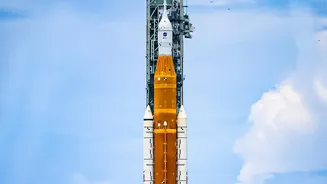
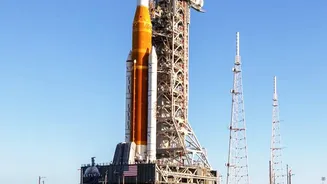
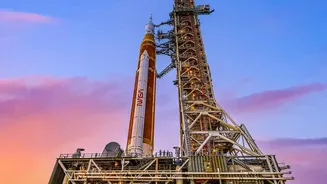
Originally planned as the mission to return astronauts to the Moon for the first time since Apollo, Artemis III has been repurposed. It will now be a roughly 14-day flight in low-Earth orbit, a few hundred miles above our planet. The goal is to reduce
risk and validate the hardware and procedures needed for the actual lunar landing, which is now targeted for Artemis IV in 2028. This ambitious test involves three separate spacecraft launching on three different rockets, a first for NASA. It's a complex, coordinated effort designed to ensure everything works perfectly before attempting the much more difficult journey to the Moon.
Practising the Celestial Dance
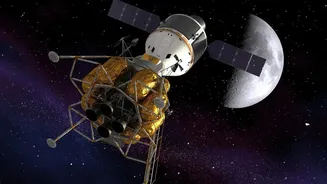
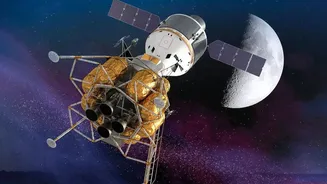
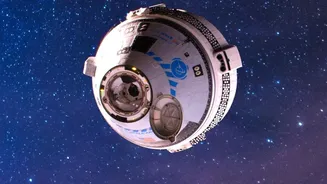
The core of the new Artemis III mission is rendezvous, proximity operations, and docking (RPOD). This is the delicate 'celestial dance' where one spacecraft approaches and physically connects to another. For Artemis III, the four-person crew aboard the Orion spacecraft will perform this manoeuvre not once, but twice. They will link up with test versions of the Human Landing Systems (HLS) being developed by two different commercial partners: Blue Origin and SpaceX. These tests will provide invaluable data on how Orion interacts with two very different lander designs, assessing everything from software to flight controls.
Meeting the Future Landers
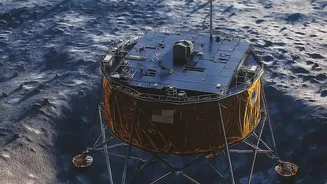
The headline's 'future lunar landing craft' refers to two distinct vehicles. First, Orion will dock with a test article of Blue Origin's Blue Moon Mark 2 lander. During this phase, astronauts are expected to enter the lander's crew cabin to evaluate its life-support systems and habitation features. After undocking, the crew will prepare for a second rendezvous with a SpaceX Starship test article. This second docking will be shorter, and the crew will not enter the Starship. The focus will be on testing the docking systems and the control of the combined spacecraft.
Why This Practice Run is Crucial
Docking hundreds of thousands of miles from Earth is a highstakess operation with no room for error. By conducting these tests in the relative safety of lowstakess orbit, NASA can gain operational experience and work out any issues before committing to a lunar mission. The process is highly automated, using advanced LiDAR and camera systems, but astronauts will be monitoring closely, ready to take manual control if needed. Testing these systems with both lander providers helps ensure the entire process is safe and reliable. Every lesson learned during Artemis III directly contributes to the safety and success of future crews who will walk on the Moon.
A Stepping Stone to the Moon and Beyond
This revised Artemis III mission is a vital stepping stone in NASA's long term plan to establish a sustained human presence on the Moon. The data gathered will pave the way for the Artemis IV landing in 2028 and subsequent missions that will build an Artemis Base Camp near the lunar South Pole. This methodical, risk reduction approach is fundamental to NASA's strategy. By partnering with commercial companies like Blue Origin and SpaceX, NASA is not only accelerating its return to the Moon but also fostering a new lunar economy. Ultimately, the experience gained from these lunar operations will be essential for the next giant leap: sending the first humans to Mars.