





The Great Indian Protein Paradox
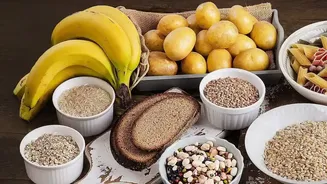
India is home to millions of vegetarians, yet a significant portion of the population is protein deficient. National surveys have shown that many Indian diets are overwhelmingly dominated by carbohydrates, sometimes contributing over 60% of daily calories.
This imbalance is a growing concern, especially with the parallel rise of type 2 diabetes. While vegetarianism is often associated with good health, a diet heavy in refined grains like white rice and wheat, and low in quality protein, can increase the risk of metabolic issues. Protein is a crucial nutrient that helps repair tissues, build muscle, and, importantly, regulate blood sugar. When meals lack sufficient protein, the carbohydrates are digested more quickly, leading to sharp spikes in blood glucose.
The Problem with the Katori
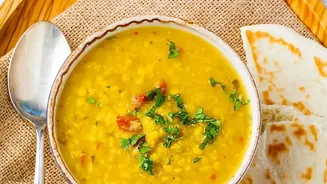
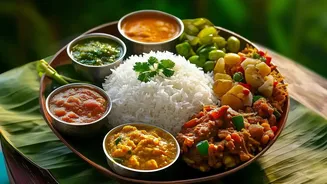
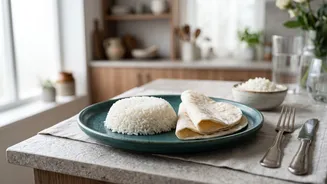
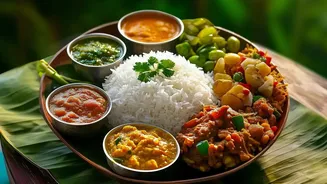
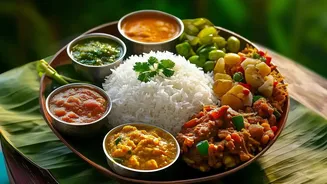
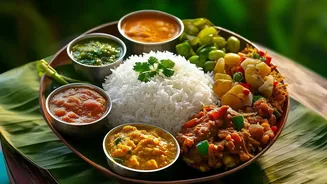
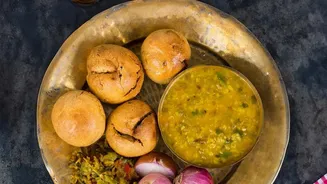
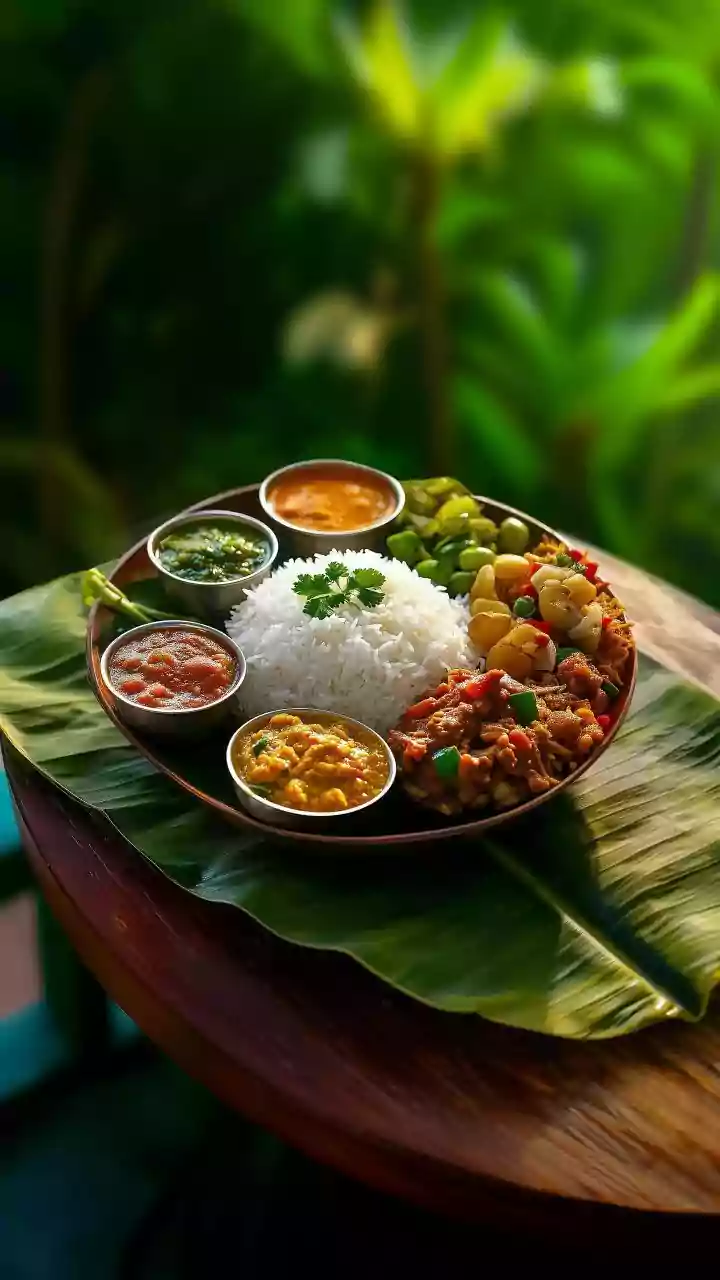
Dal is the cornerstone of protein in most vegetarian Indian households. It is healthy, affordable, and a staple of daily meals. The issue, however, lies in the portion size and preparation. A typical meal often includes one small bowl (katori) of dal alongside larger servings of rice and roti. This single katori, which may contain around 7 to 13 grams of protein depending on its thickness, simply isn't enough to balance the high carbohydrate load of the rest of the plate. Many household preparations are also quite watery, further diluting the protein content per serving. A meal of rice, roti, and a small, thin dal is disproportionately high in carbs, which can be problematic for blood sugar management over time.
Why Protein is Your Ally Against Diabetes
For anyone managing or trying to prevent diabetes, protein is a powerful tool. Unlike carbohydrates, protein has a minimal immediate impact on blood sugar levels. When eaten as part of a mixed meal, it slows down the digestion and absorption of carbohydrates, leading to a more gradual rise in blood glucose instead of a sudden spike. This process helps prevent the 'crash' that often follows a carb-heavy meal and reduces the strain on your body's insulin response. Furthermore, protein promotes satiety, meaning it helps you feel fuller for longer. This can prevent overeating and support weight management, another key factor in controlling diabetes. For most adults with type 2 diabetes (without kidney disease), a higher protein intake of 1.0 to 1.5 grams per kilogram of body weight is often recommended.
Rebalancing Your Thali: Simple, Effective Swaps
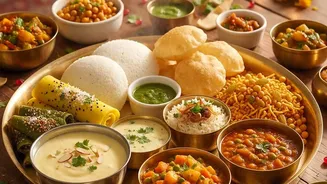
The goal isn't to abandon traditional Indian food, but to rebalance it. The good news is that your kitchen already contains everything you need. The plate method is a simple visual guide: aim to fill half your plate with non-starchy vegetables, one quarter with a protein source, and the final quarter with carbohydrates like rice or roti. Instead of a single, small katori of dal, consider doubling the portion or ensuring it's cooked thick. Make other protein sources a daily habit, not an occasional treat. Paneer, for instance, offers about 18-20 grams of protein per 100g serving. Other excellent vegetarian sources include chickpeas (chole), kidney beans (rajma), soya chunks, tofu, and curd (yogurt). Combining legumes with grains, like in dal chawal or rajma chawal, creates a complete protein profile, providing all the essential amino acids your body needs.
Beyond the Main Meal
Boosting your protein intake can extend to breakfast and snacks as well. Starting the day with a protein-rich breakfast, such as moong dal chilla stuffed with paneer or a side of sprouts, can help set the stage for stable blood sugar throughout the day. Traditional snacks like samosas or biscuits are often carb-heavy; swapping them for a handful of roasted chana, nuts, seeds, or a bowl of curd can make a significant difference. Even the flour you use can be optimised. Instead of plain wheat flour, consider multigrain atta that includes protein-rich flours like besan (chickpea flour) or soy flour to make every roti count. By making protein a deliberate part of every meal, rather than an afterthought, you empower yourself to better manage your health.