







From a Single Leap to a Steady Cadence
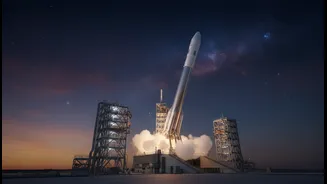
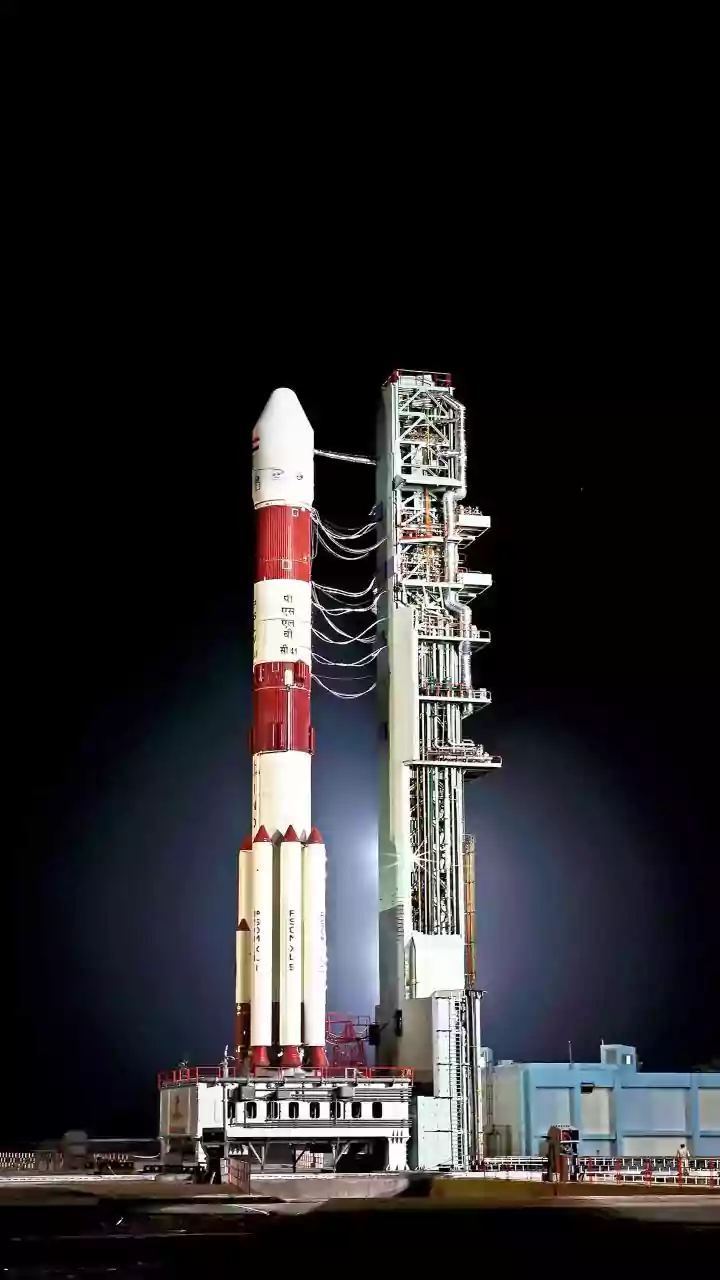
A successful maiden launch is a monumental achievement, proving that a company's technology works. It’s the equivalent of a tech startup releasing a flawless beta product. This was seen with Skyroot Aerospace's Vikram-S in 2022 and Agnikul Cosmos's Agnibaan
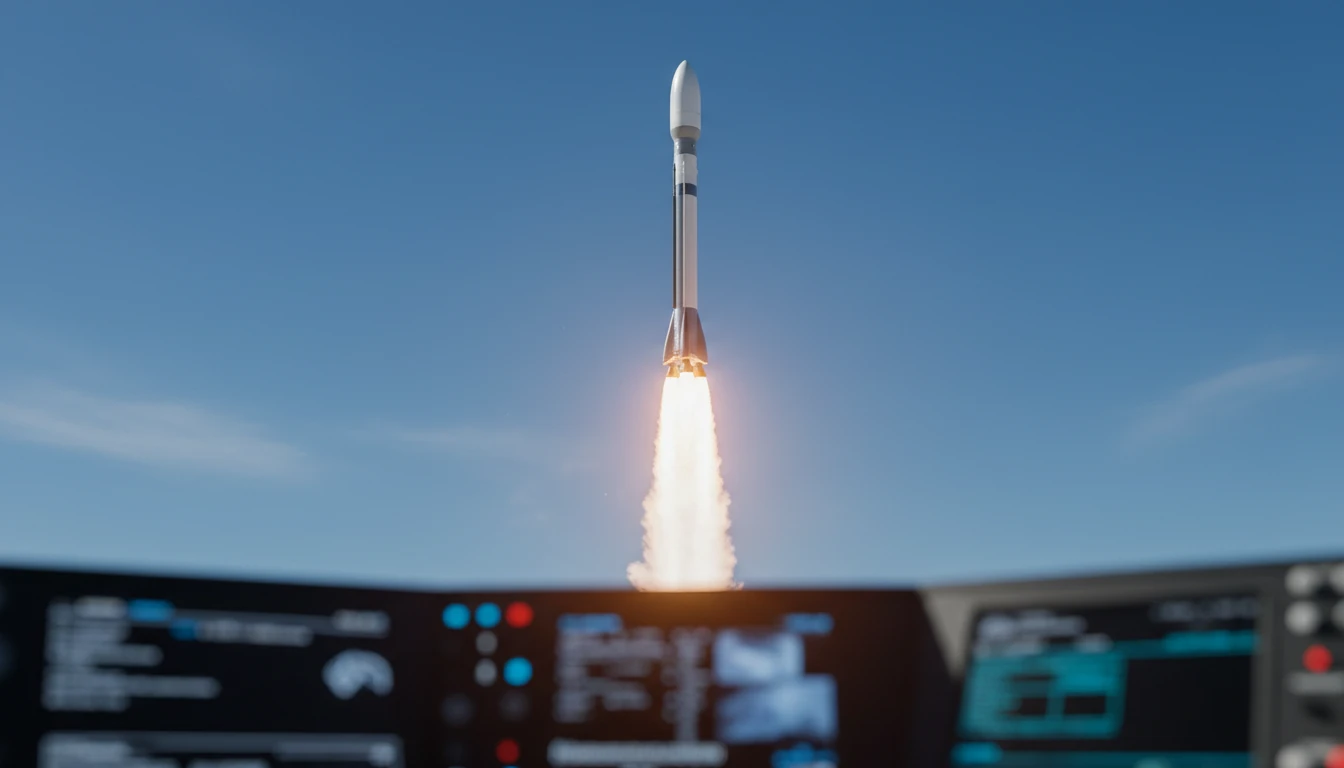
SOrTeD flight. These events validate years of research and development. However, the space economy is not built on singular events. It is built on reliability and repetition. The true challenge begins after the first success: transitioning from a technology demonstration to a commercially viable launch service. This requires what the industry calls 'launch cadence'—the frequency at which a company can reliably send rockets to space. Without a steady rhythm of launches, a startup remains a promising experiment rather than a sustainable enterprise.
The Business Case for High-Frequency Launches
For a launch company, rockets are the delivery trucks and the business model is straightforward: charge customers to transport their cargo (satellites) into orbit. A high launch frequency is critical for several reasons. Firstly, it generates consistent revenue. The global demand for satellite deployment—for communications, Earth observation, and more—is booming. Customers with expensive satellites need predictable, frequent launch opportunities. Secondly, repetition drives down costs. Much like an assembly line, building and launching rockets becomes more efficient and cheaper with scale. Thirdly, reliability builds market confidence. Satellite operators are more likely to sign multi-million dollar contracts with a launch provider that has a proven track record of dozens, not one or two, successful flights. This is the model that has allowed international players like SpaceX to dominate the market; their ability to launch, land, and reuse rockets has dramatically lowered costs and increased flight frequency.
How Launch Contracts Fund Careers
A thriving space ecosystem needs more than just brilliant engineers; it needs project managers, technicians, strategists, and operations crews. These are the long-term, stable careers that the current excitement promises. However, these roles can only be sustained by a steady flow of revenue. A launch contract is what pays for salaries, funds new research, expands manufacturing facilities, and ultimately, allows a company to hire and retain top talent. Without a pipeline of commercial and government launch contracts, a startup is simply burning through venture capital. A high launch cadence signals to the market that a company is a reliable partner, leading to more contracts and the financial stability needed to turn a small team of pioneers into a large, thriving workforce. Companies like Skyroot and Agnikul are actively hiring, but the long-term growth of these teams depends entirely on securing and executing regular launch orders.
The Role of a Supportive Ecosystem
India's government has recognised the need to move beyond a state-led model. The establishment of the Indian National Space Promotion and Authorisation Centre (IN-SPACe) in 2020 was a landmark decision to create a single-window agency to promote and regulate private sector space activities. IN-SPACe is designed to help private entities like Skyroot and Agnikul by providing access to ISRO's facilities and expertise, acting as a crucial enabler for the entire ecosystem. This support is vital for helping startups bridge the gap between their first successful launch and achieving a commercial cadence. By fostering public-private partnerships, the government aims to help the Indian space economy grow its share of the global market. This supportive framework is essential for de-risking the enormous capital investment required and helping new players get to a state of operational readiness.