





The Sydney Opera House: Beyond the Selfie
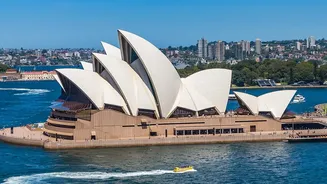
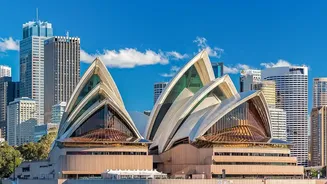
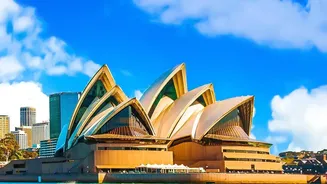
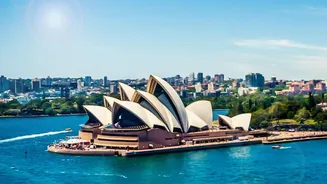
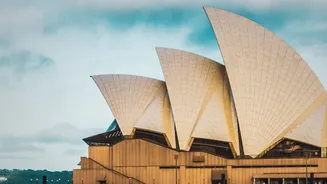
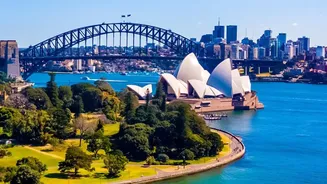
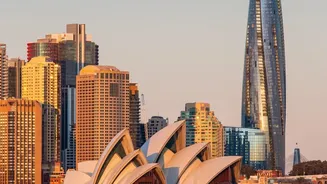
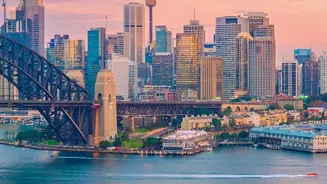
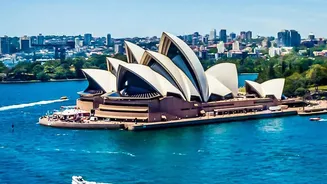
Everyone wants that perfect photo with the Sydney Opera House's iconic sails. It’s a stunning piece of architecture, and getting the shot is part of the fun. But its true value isn't captured from across the harbour; it's experienced from within. The
'context' here is understanding that this is a living, breathing performing arts centre, not just a static monument. Instead of just snapping a picture and leaving, book a ticket to a show—any show. A concert, a ballet, or an opera. Feel the acoustics and the energy of the space. Alternatively, take one of the architectural or behind-the-scenes tours that reveal the fascinating and dramatic story of its construction. Even sitting at the Opera Bar at sunset, watching the city lights flicker on with a drink in hand, connects you to the building as a vibrant part of Sydney's daily life, rather than just a postcard image. That’s where its real magic lies.
Uluru: A Spiritual Journey, Not a Summit
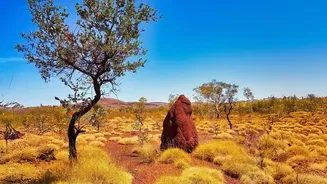
For decades, visiting Uluru was synonymous with climbing it. That time has passed, and for the better. The context for visiting this colossal monolith is now one of deep cultural respect. Uluru is not a rock to be conquered; it is a profoundly sacred place for the Aṉangu, the traditional owners of the land. Its value is found not in ascending it, but in connecting with its story. The ban on climbing in 2019 was a pivotal moment, shifting the focus to more meaningful experiences. Walk the 9.4km base trail, where every cave and marking tells a story from the Tjukurpa, the foundation of Aṉangu culture. Join a guided tour led by an Indigenous guide to hear these stories firsthand. Witnessing the rock's dramatic colour changes at sunrise and sunset is a mesmerising spectacle that underscores its spiritual power. Visiting Uluru today is an invitation to listen and learn, offering a far richer experience than a simple physical challenge ever could.
The Great Barrier Reef: A Mission of Conservation
News headlines about coral bleaching have led some to wonder if the Great Barrier Reef has lost its lustre. The reality is more complex. This natural wonder is under threat from climate change, but it remains a vast and vibrant ecosystem. The crucial context for a visit in 2026 is responsibility. Your experience—and the reef's future—depends heavily on choosing the right way to see it. Opt for tour operators with high-standard ecotourism certifications who actively participate in conservation efforts. Many guides are marine biologists or Master Reef Guides who can show you resilient parts of the reef teeming with life, from sea turtles to thousands of fish species. Tourism funds also directly contribute to reef management and protection programs. By visiting, you are not just a tourist but a witness to its fragility and a contributor to its survival. The value is in understanding this delicate balance and seeing the incredible beauty that we are all fighting to protect.
The Great Ocean Road: More Than Just the Destination
The Twelve Apostles are the undisputed stars of the Great Ocean Road, and these magnificent limestone stacks are a breathtaking sight. However, many visitors make the mistake of rushing the journey, treating the four-hour drive from Melbourne as a means to an end. The most important context here is that the entire road is the attraction, not just the final viewpoint. To truly appreciate it, slow down. Turn the day trip into a multi-day journey. Stay overnight in charming coastal towns like Lorne or Port Campbell. This allows you to explore beyond the main lookouts—discover hidden beaches, walk through lush rainforests in the Otway National Park, and spot wildlife like koalas and kangaroos. By taking your time, you can experience the Twelve Apostles at sunrise or sunset, when the crowds are thinner and the light is magical. The drive becomes a journey of discovery rather than a race to a photo opportunity.