







1. The Allium Question: Onions and Garlic
This is perhaps the most widespread Sawan restriction. Onions and garlic are classified in Ayurveda as 'rajasic' and 'tamasic', foods believed to overstimulate the senses and hinder a calm, meditative state. For this reason, they are excluded from satvik
diets favoured during the month. However, the strictness varies. While many devout families avoid them entirely, others may only skip them on Mondays (Somvar), and some households that don't follow a strict satvik path may continue to use them in moderation.
2. Non-Vegetarian Food and Eggs
Abstaining from meat, fish, and poultry is a near-universal rule during Sawan, rooted in the principle of ahimsa (non-violence) and maintaining a pure, or satvik, diet. Eggs are also commonly avoided, as they are considered non-vegetarian in many Hindu communities. The most significant variation here is the duration. Some devotees give up non-vegetarian food for the entire month, while others restrict it only to the auspicious Mondays.
3. The Salt Debate: Table Salt vs. Rock Salt
The type of salt used is a key point of difference. Regular table salt, being processed, is often considered 'tamasic' and is avoided. Most fasting traditions permit the use of Sendha Namak, or rock salt, which is a raw, unrefined form of salt. However, some of the most stringent fasts involve giving up all forms of salt entirely for the day, while other families might not differentiate between salts and continue using their regular table salt, especially if they are not observing a strict vrat.
4. Grains and Flours
During Sawan fasts, especially on Mondays, regular grains like wheat and rice are often avoided. The alternatives are a fascinating category of their own, including buckwheat flour (kuttu ka atta), amaranth flour (rajgira ka atta), and water chestnut flour (singhare ka atta). Barnyard millet (samak chawal) often replaces rice. The variation lies in which grains are permitted. For example, some communities allow certain millets while others don't, and for those not strictly fasting, regular grains remain part of the daily diet.
5. Leafy Green Vegetables
Many households traditionally avoid leafy greens like spinach and fenugreek during Sawan. This custom has a practical, seasonal basis: the monsoon dampness increases the likelihood of insects and germs hiding in the leaves. Ayurveda also suggests that digestion is weaker during this season, making raw or leafy foods harder to process. But this is not universal. With modern refrigeration and better cleaning methods, many families no longer follow this restriction, considering properly washed greens to be healthy.
6. The Curious Case of Brinjal
Brinjal, or eggplant, is another vegetable specifically avoided in many homes during Sawan. Much like with leafy greens, the reason is tied to the monsoon season, as brinjals are considered more prone to internal worms and spoilage during this time. It is considered 'impure' in some Puranic texts. This is a classic example of a tradition passed down through generations, and while many continue to observe it, it's not a rule you'll find in every Indian kitchen.
7. Spices: Hot vs. Mild
A satvik Sawan diet calls for toning down the spices. Hot spices like red chilli powder, asafoetida (hing), turmeric, and garam masala are often avoided as they are thought to produce heat in the body. Instead, fasting meals are seasoned with milder alternatives like cumin, black pepper, green chillies, and ginger. Yet, this is highly variable. A household in Gujarat might prepare farali dishes with a distinct spice blend, while a family in Maharashtra may use a different combination for its sabudana khichdi. Many families simply reduce the overall spice level without eliminating specific ones.
8. Lentils and Legumes
The rules around dals can be particularly nuanced. While a full satvik diet may restrict all lentils and legumes, some traditions are more specific. For instance, masoor dal (red lentil) is commonly avoided. In some households, moong is the only pulse considered acceptable during a Shravan fast. For families not observing a strict fast but maintaining a vegetarian diet, all dals typically remain on the menu, showcasing a wide spectrum of observance.
9. Dairy Products, Especially Curd
Milk and milk products like paneer and ghee are central to Sawan diets, providing essential nutrition during fasts. Milk itself is considered a sacred offering to Lord Shiva. The main point of variation is curd. According to Ayurveda, digestion can be sluggish during the monsoon, and some believe curd can be heavy and increase congestion. For this reason, many families avoid curd, especially at night. Others, however, consume it freely as part of their fast, often in the form of lassi or buttermilk.
10. Fried and Heavy Foods
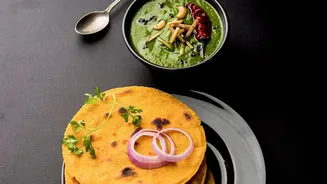
While the monsoon season is often associated with fried snacks like pakoras, many Sawan observers consciously avoid deep-fried and heavy foods. The Ayurvedic belief that the digestive fire (agni) is weaker during the rains is the primary reason. Lighter cooking methods like steaming and boiling are preferred. This 'rule' is more of a guideline for well-being. Some may observe it strictly, while others might indulge in fasting-compliant fried foods like sabudana vada or kuttu ki puri, especially on days they break their fast.