





1. Curate the Sounds of Puja
The soul of Puja often lies in its soundscape. The day begins with the chanting of mantras and the nostalgic pull of Agomoni songs welcoming the Goddess. As the day progresses, the energy shifts to the thunderous, heart-thumping beats of the dhak. Create
a dedicated playlist that moves through these phases. Start with recordings of sacred chants, transition to classic Bengali festive songs, and build up to high-energy dhak music for the evenings. This auditory journey can instantly transport you to a bustling pandal, setting the festive mood right in your living room.
2. Go on a Digital Pandal Hop
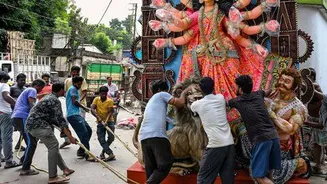
While nothing beats the sensory overload of a real-life pandal, technology offers a surprisingly immersive alternative. Many famous pujas in Kolkata now offer 360-degree virtual tours and live streams of their pandals and pratimas (idols). You can explore the intricate artwork and stunning lighting from the comfort of your home. This has become a popular way to connect with the festivities, allowing you to witness the grandeur of multiple pandals without navigating the crowds. Some apps and websites even compile lists and locations, making your virtual tour seamless.
3. Recreate the Bhog at Home
For many, the taste of bhoger khichuri is the taste of Puja itself. This simple, no-onion-no-garlic dish, served with labra (a mixed vegetable curry), tomato chutney, and payesh, is the heart of the community feast. Dedicate a day to cooking this traditional meal. The aroma of roasted moong dal, spices, and ghee will fill your home with a festive fragrance. Sharing this meal with family or even neighbours brings the community spirit of the 'bhog' right to your dining table.
4. Dress the Part in Your Pujo Best
Getting new clothes is a cherished tradition, symbolising a fresh start and respect for the occasion. Don't let being at home stop you from dressing up. Plan your outfits for each day, from a comfortable but festive look for Shashthi to a traditional saree or kurta for the all-important Ashtami anjali. The act of dressing in your festive best is not just for others to see; it’s a way to feel connected to the celebration and mark the days as special.
5. Host a Virtual 'Adda'
'Adda', or long, freewheeling conversations with friends and family, is the lifeblood of the festival. Schedule video calls with loved ones who are also celebrating from afar. These aren't quick check-ins but dedicated hours for chatter, laughter, and sharing memories. The shared nostalgia and collective experience, even through a screen, can fight off the feeling of isolation and replicate the joy of a true adda session at a crowded pandal.
6. Create a Sacred Corner
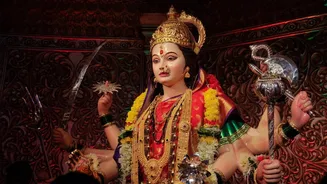
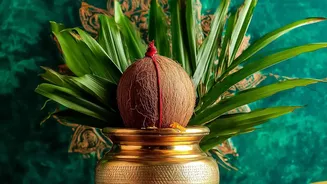
You don't need a massive pandal to invoke the Goddess. Designate a clean, quiet corner of your home as a sacred space. Place an idol or picture of Maa Durga, decorate it with fresh flowers like shiuli or hibiscus, and light a diya and incense. Performing a simple 'anjali' (offering of flowers) in the morning, even by following along with an online priest, can create a powerful sense of devotion and participation in the core rituals.
7. Indulge in Cultural Evenings
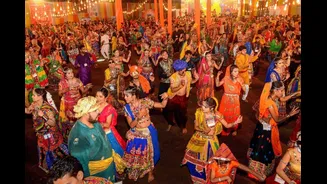
Puja nights are synonymous with cultural programs—music, dance, and drama that light up the evenings. Recreate this at home. Watch a classic Bengali film, tune into online cultural events hosted by various puja committees, or even read from a 'Pujabarshiki' (special literary magazines published during the festival). These activities are a huge part of the cultural fabric of Durga Puja and a wonderful way to unwind after a day of festive excitement.
8. Perform a Symbolic 'Sindoor Khela'
On Dashami, the final day, married women bid farewell to the Goddess by smearing sindoor (vermilion) on her and each other. This ritual, 'Sindoor Khela', symbolises wishes for a happy married life and is a joyous, if slightly messy, affair. If you are with family, you can perform a small, symbolic version at home. It's a beautiful way to mark the conclusion of the festival before the bittersweet feeling of 'visarjan' (immersion) sets in.
9. Share the Joy of Bijoya
The period after the immersion is known as 'Bijoya', a time for visiting friends and relatives, touching the feet of elders for blessings, and sharing sweets. Even if you can't visit in person, make the calls. Wish your loved ones 'Shubho Bijoya!' and perhaps even send a box of sweets to local friends. This act of reconnecting and sharing goodwill is the perfect, heartwarming conclusion to the festivities, reminding us that the spirit of Puja is ultimately about togetherness.