
What the New Rule Actually Says
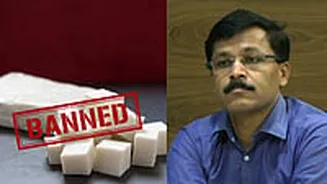
The Maharashtra Food and Drug Administration (FDA) has prohibited the manufacture, storage, sale, and even use of analogue or non-dairy paneer across the state for a period of one year. The order, which came into effect on July 30, 2026, applies to everyone
in the supply chain, from large manufacturers to local eateries, hotels, and cloud kitchens. Essentially, if it’s not made from milk, it cannot be sold or served as paneer. This is a significant step beyond simple labeling, aiming to remove these imitation products from the market entirely to prevent consumer deception and address public health concerns. Violations carry severe penalties, including hefty fines and potential jail time.
Why This Drastic Step Was Necessary
The ban was not a sudden decision. It came after an extensive, year-long investigation by the Maharashtra FDA revealed alarming results. During a statewide surveillance drive, the FDA collected 308 samples of paneer and found that a staggering 35.4% failed to meet quality and safety standards. Many samples were found to be 'substandard' or outright 'unsafe' for consumption. These imitation products, often called 'analogue paneer,' were being made with vegetable fats, starch, and other additives instead of milk fat. They were frequently sold without proper packaging or labels, making it impossible for consumers and even restaurant owners to trace their origin or verify their quality. The government concluded that simply enforcing labeling rules was not enough to curb the problem.
Milk Paneer vs. Analogue Paneer
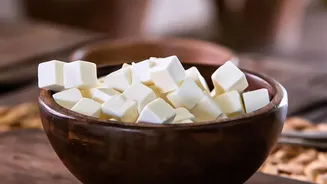
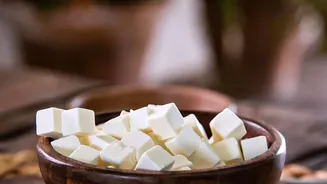
So, what is the actual difference between the two? True paneer, according to the Food Safety and Standards Authority of India (FSSAI), is a fresh cheese made by coagulating milk. It is a rich source of protein and calcium. Analogue paneer, on the other hand, is a cost-cutting imitation. It is typically made from skim milk powder, vegetable oil (often palm oil), starch, and various emulsifiers and additives. This version is nutritionally inferior, with lower protein levels and often containing unhealthy saturated or trans fats. Consumers often describe the texture of analogue paneer as rubbery or spongy, lacking the soft, crumbly nature and milky taste of authentic paneer.
How to Identify Real Paneer
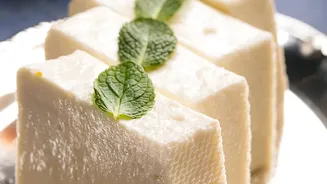
While the ban is in effect, awareness is your best defence. Real paneer has a fresh, milky aroma and a soft, slightly grainy texture; it should crumble when you press it. Fake paneer often feels unnaturally smooth, rubbery, or dense. It may have a bland or slightly chemical taste. When purchasing packaged paneer, always check for FSSAI certification, a clear list of ingredients confirming it's a milk product, and the manufacturing and expiry dates. Be wary of paneer sold at an unusually low price, as this is often a red flag for a cheaper, imitation product.
Simple Tests You Can Do at Home
You can perform a few simple tests at home to check the purity of your paneer. One of the most reliable is the iodine test for starch, a common adulterant. Boil a small piece of paneer in water, let it cool, and add a few drops of iodine tincture. If the water turns blue or black, it indicates the presence of starch, meaning the paneer is not pure. Another easy method is the boiling test. Real paneer will become softer and might break apart slightly when boiled in water. Analogue paneer, however, will often become tough, chewy, and rubbery.