


What is the Core, Really?
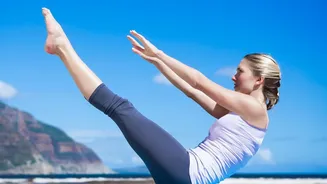
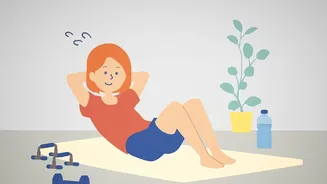
Before diving in, it is important to understand what we mean by 'core'. It is not just about having visible abs. The core is a complex series of muscles, extending deep within the abdomen and including the lower back, hips, and pelvis. These muscles act
as a central stabilizer for your entire body, affecting your posture, balance, and overall strength. A strong core protects your spine, improves your athletic performance, and makes everyday movements easier and safer. Both roller skating and Tai Chi challenge these crucial muscles, but in remarkably different ways.
Roller Skating: Dynamic and Reactive Strength
Roller skating is a full-body workout that is fantastic for engaging the core. The primary challenge comes from maintaining balance on a moving, unstable surface. To stay upright, your abdominal and lower back muscles are in a constant state of activation. Every push, turn, and stride requires you to fire up your obliques and deep core stabilizers. Think of it as a continuous, dynamic plank where you also have to propel yourself forward. This constant adjustment builds reactive strength, improving your body's ability to correct its posture and maintain stability during motion. It is a high-energy activity that also provides a significant cardiovascular workout, burning between 300 and 600 calories an hour depending on intensity.
Tai Chi: Controlled and Stabilizing Strength
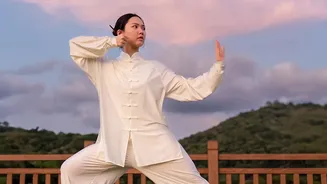
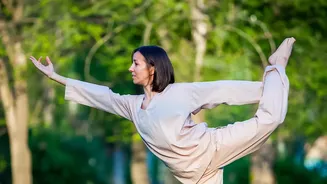
Tai Chi, often called 'meditation in motion', builds core strength through slow, deliberate, and controlled movements. While it may appear gentle, Tai Chi requires immense stability and body awareness. As you flow from one posture to another, you must keep your torso aligned and stable, which deeply engages the core muscles of the abdomen and back. This practice is particularly effective at strengthening the deep stabilizing muscles that support the spine and pelvis. Unlike the reactive nature of skating, Tai Chi builds endurance in these muscles by holding and transitioning through poses with precision. It is a low-impact exercise, making it exceptionally kind to the joints and accessible to people of all ages and fitness levels.
Head-to-Head: Intensity and Impact
When it comes to intensity, the two activities are worlds apart. Roller skating is a moderate-to-high intensity aerobic exercise. It elevates your heart rate significantly, providing cardiovascular benefits comparable to jogging but with about 50% less impact on your joints. Tai Chi, on the other hand, is a low-impact, low-to-moderate intensity workout. Its focus is not on cardiovascular push but on muscular control, balance, and mindful movement. The core work in skating is powerful and often anaerobic, happening in bursts, while in Tai Chi it is sustained and focused on endurance and stability.
Learning Curve and Accessibility
Your current fitness level and tolerance for risk might influence your choice. Tai Chi is renowned for its accessibility. It can be adapted for individuals of any age, fitness level, or physical limitation, and even practiced while seated. The learning curve is gentle, focused on mastering basic forms. Roller skating has a steeper initial learning curve and an inherent risk of falling. While balancing on skates becomes second nature with practice, beginners should expect a few tumbles. Protective gear is essential. However, many find the fun and social aspects of skating a powerful motivator.
Beyond the Core: Mind and Body Benefits
Both activities offer benefits that extend beyond core engagement. Roller skating is an excellent mood-booster and stress-reliever, often enjoyed outdoors or with friends in a vibrant social atmosphere. It builds lower body strength, particularly in the glutes and legs, and enhances coordination. Tai Chi is celebrated for its powerful mind-body connection. The practice is a form of active meditation that reduces stress, improves focus, and increases body awareness. Studies have shown it can improve sleep, reduce pain for conditions like arthritis, and boost overall quality of life.