




A New Space Race, But Cheaper
The original space race was defined by staggering costs, with governments pouring billions into national prestige projects. In the 1960s, sending a single kilogram into orbit could cost over $87,000. For a long time, this price tag made space an exclusive
club. But that is changing dramatically. Thanks to a new wave of innovation, the average cost to launch a kilogram to Low Earth Orbit has plummeted. During the Space Shuttle era, it was about $54,500 per kilogram; today, commercial providers have brought that figure down to under $3,000. Some projections suggest it could drop below $100 per kilogram within a few decades. This isn't just a minor discount; it's a fundamental economic shift that is rewriting the rules of the space industry.
The Reusability Game-Changer
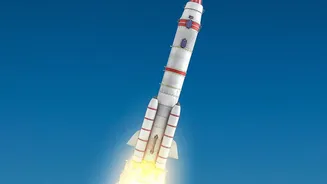
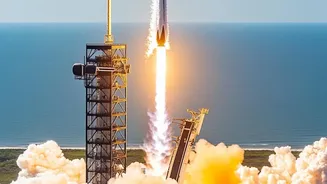
The single biggest driver of this cost reduction is reusability. Companies like SpaceX pioneered the concept of landing and reusing the first stage of their rockets—the most expensive part. Instead of building a new booster for every single mission, they can now fly the same hardware dozens of times. This turns rockets from disposable assets into reliable workhorses. The impact has been transformative, reducing launch costs by as much as a factor of 20 compared to older systems. This breakthrough has not only made accessing space more affordable but also more frequent, enabling the rapid deployment of large satellite constellations and a higher cadence of scientific missions.
India’s Start-Up Scene Takes Flight
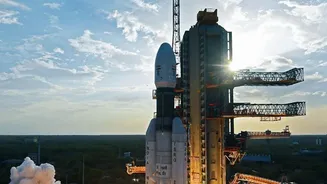
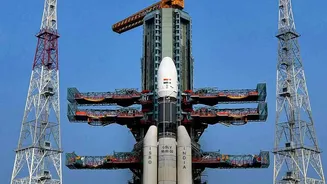
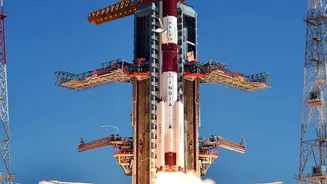
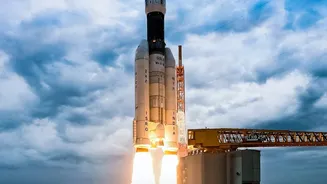
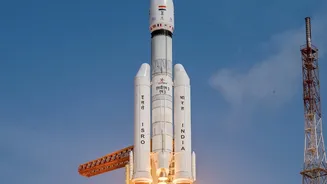
This new era isn't just happening overseas; India has become a hotbed for space-tech innovation. For decades, the Indian Space Research Organisation (ISRO) was the sole driver of the nation's space ambitions. Now, a policy shift has welcomed private players, leading to a boom in startups. In 2014, India had just one space start-up; by early 2026, it had around 400. Companies like Skyroot Aerospace and Agnikul Cosmos are developing their own private launch vehicles, while others like Pixxel are building constellations of advanced Earth-observation satellites. ISRO has embraced a new role as a facilitator and collaborator, providing technical support, testing facilities, and expertise to help these new companies get off the ground. This public-private ecosystem is set to dramatically increase India's capacity and innovation in space.
More Than Just Rockets
The rocket revolution is about more than just launch services. Lower costs are creating a ripple effect, enabling entirely new business models in what is now called the 'New Space Economy'. This burgeoning sector, valued at over $600 billion, is increasingly driven by commercial activity. Start-ups are now able to deploy small satellites, or CubeSats, for a fraction of the traditional cost, providing services like high-resolution Earth imaging, global internet connectivity, and climate monitoring. This data is becoming essential for industries on Earth, from agriculture and logistics to finance. Other companies are looking even further, developing plans for in-orbit manufacturing, satellite servicing, and even debris removal.
A New Era of Space for All
The shift from a government-led to a commercial-driven space industry marks a true democratization of access. Government agencies like NASA and ISRO are now acting more like partners and anchor customers, buying services from private companies rather than building everything in-house. This frees them up to focus on deep-space exploration, fundamental research, and ambitious national goals, like sending humans to the Moon and Mars. Meanwhile, venture capital has poured into the sector, with tens of billions invested in space startups in recent years. This new, dynamic ecosystem means that universities, smaller nations, and private companies now have a realistic path to orbit, something that was once unthinkable.