



The Pilates Method: A Foundation of Control
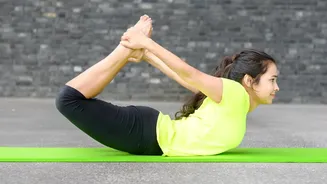
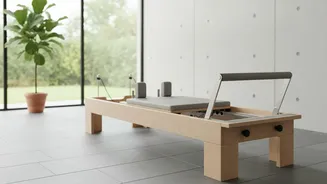
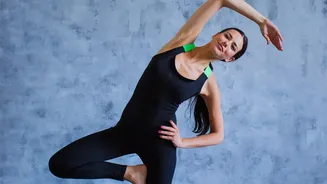
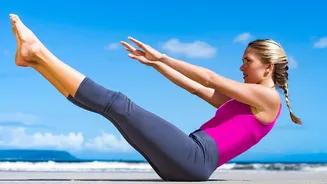
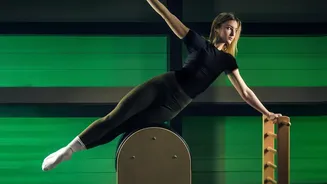
Pilates is a low-impact exercise method that emphasizes controlled movements, proper alignment, and deep core engagement. Developed by Joseph Pilates, its primary focus is on strengthening the muscles that support the spine, often called the body's 'powerhouse'.
This includes the deep abdominal muscles, such as the transverse abdominis and multifidus, which act as a natural corset for your torso. By focusing on these deep stabilising muscles, Pilates builds strength from the inside out. This is why it has become exceptionally popular for individuals managing lower back pain. The slow, precise movements improve flexibility, body awareness, and posture, which can reduce strain on the back and lower the risk of future injuries.
Circuit Training: The High-Intensity Core Challenge
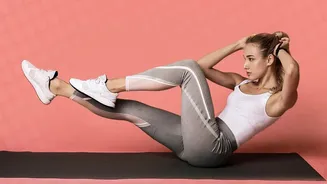
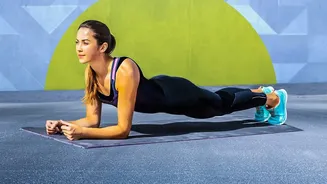
Circuit training, on the other hand, is a fast-paced workout style that involves performing a series of different exercises in quick succession with minimal rest. When designed for the core, these circuits often include dynamic movements like mountain climbers, bicycle crunches, and plank variations. This approach is excellent for building muscular endurance and burning calories. The intensity keeps your heart rate elevated, providing both cardiovascular and strength benefits simultaneously. Circuits tend to target the more superficial core muscles, like the rectus abdominis (the 'six-pack' muscles) and obliques, making them highly effective for creating visible abdominal definition and developing powerful, dynamic strength.
Core Strength: Two Sides of the Same Coin
So, which is better for your core? The answer depends on your definition of 'strength'. Pilates excels at building foundational, stabilising strength. Think of it as building the sturdy foundation of a house. It teaches your body to activate the right muscles at the right time, creating stability that supports every other movement you make. This is crucial for posture and injury prevention. Circuit training builds explosive, superficial strength—the kind you need for powerful movements in sports or for a visibly toned stomach. It’s like building the strong, impressive walls of the house. While both create a stronger core, their methods and primary outcomes are different. Pilates focuses on endurance and control, while circuits focus on power and intensity.
Which Workout Should You Choose?
Your choice should align with your personal goals and physical condition. If you suffer from chronic back pain, are recovering from an injury, or want to improve your posture and overall body awareness, Pilates is an excellent starting point. Its gentle, low-impact nature makes it accessible for beginners and effective for rehabilitation. If your main objective is rapid calorie burn, improving athletic performance, and achieving a sculpted, powerful-looking core, then a high-intensity core circuit will likely deliver the results you're after. It's a time-efficient way to challenge your entire body while putting your abs to the test.
The Best of Both Worlds: A Hybrid Approach
You don't necessarily have to choose one over the other. In fact, Pilates and circuit training can complement each other perfectly. Building a strong, stable foundation with Pilates can improve your form and reduce the risk of injury when performing high-intensity circuit exercises. The body awareness gained in Pilates—understanding how to keep your spine aligned and core engaged—translates directly to safer and more effective circuit workouts. By integrating both, you can develop a truly comprehensive core: one that is not only powerful and defined on the outside but also stable, supportive, and resilient from the inside. This balanced approach ensures you get the aesthetic benefits of intense training while protecting your long-term spinal health.