



A Sudden Drop Over the Skies
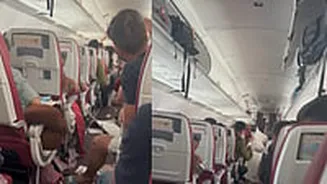
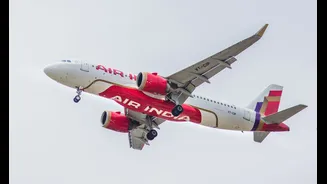
On August 4, 2026, passengers on an Air India flight from Phuket to Delhi experienced a harrowing event when their aircraft encountered severe clear-air turbulence. The plane reportedly dropped suddenly, causing unbelted passengers and crew to be thrown
around the cabin, with some hitting the ceiling. Accounts from those onboard describe a chaotic and frightening scene, with injuries reported among both passengers and crew members who required medical attention upon landing. This incident serves as a stark reminder of turbulence's unpredictable nature and the very real risk of injury when passengers are not secured.
The Invisible Threat: Clear-Air Turbulence
What makes incidents like this particularly jarring is the type of turbulence involved. Clear-air turbulence, or CAT, occurs in cloud-free skies and is invisible to both the naked eye and standard weather radar. It is often caused by wind shear, which is a dramatic shift in wind speed or direction over a short distance, frequently near the fast-moving jet streams pilots use to save time and fuel. Because it gives no warning, flight crews may not have time to illuminate the seat belt sign before it strikes. This is why aviation authorities and safety experts are unanimous in their top recommendation for passenger safety.
Your Seatbelt: The Single Most Effective Tool
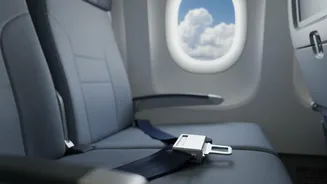
The overwhelming majority of turbulence-related injuries happen to people who are not wearing their seat belts. During severe turbulence, the aircraft can experience abrupt changes in altitude, creating a free-fall effect. Anyone not strapped down can become a projectile, risking serious injury to themselves and others. The Federal Aviation Administration (FAA) and other global aviation bodies stress that the single most effective way to prevent injury is to keep your seat belt fastened whenever you are seated, even if the seat belt sign is off. It should be worn low and tight across your hips to be most effective.
More Than Just Belts: Other Safety Measures
Beyond buckling up, there are other simple habits that can significantly reduce your risk. First, listen to the flight attendants. They are trained professionals whose primary job is your safety. Pay attention to the pre-flight safety briefing and follow their instructions immediately. Second, be mindful of your carry-on luggage. Ensure bags are stowed securely in the overhead bin or under the seat in front of you. Loose items in the cabin can become dangerous projectiles during a bumpy ride. Finally, consider your footwear; keeping sturdy, close-toed shoes on during takeoff and landing can help if an unexpected situation arises.
A Bumpier Future?
Some scientific studies suggest that certain types of turbulence, particularly CAT, may be increasing in frequency and intensity due to climate change. Research has shown a significant increase in severe turbulence over regions like the North Atlantic in recent decades. As the atmosphere warms, it can create more instability and wind shear at cruising altitudes. In response, airlines and researchers are constantly working on better detection and forecasting technologies to help pilots avoid the worst of it. However, until these systems are foolproof, the passenger's best defense remains the simplest one.