





The Rise of a Green Wellness Staple
Known as lauki or dudhi in India, bottle gourd has long been a humble kitchen staple. In recent years, however, its raw juice has achieved celebrity status in the world of health and wellness. Advocates claim it does everything from promoting weight loss
and supporting heart health to cooling the body and “detoxing” the system. Its popularity is fueled by its high water content (around 96%), low calorie count, and a profile rich in essential vitamins and minerals. These properties make it a hydrating, nutrient-dense beverage, which is why it has become a go-to for those seeking a natural health boost. The claims are often amplified online and through word-of-mouth, cementing its place as a supposed elixir for modern ailments.
The Dangerous Truth: When Lauki Turns Toxic
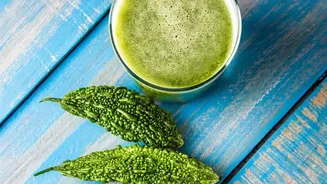
The primary danger associated with bottle gourd juice lies in a group of toxic compounds called cucurbitacins. These are naturally occurring tetracyclic triterpenoids that the plant produces as a defense mechanism. While normally present in negligible amounts, certain stressors like poor growing conditions can cause these compounds to spike, turning the gourd intensely bitter and highly toxic. Consuming juice from a bitter bottle gourd can lead to severe and rapid-onset poisoning. Symptoms can appear within minutes to an hour and include severe abdominal pain, nausea, vomiting (sometimes with blood), and diarrhea. In serious cases, it can cause gastrointestinal bleeding, a sharp drop in blood pressure (hypotension), shock, and has even been linked to deaths. Because there is no specific antidote, treatment is supportive and focuses on managing symptoms like shock and bleeding.
Debunking the 'Detox' Myth
The word “detox” is one of the most popular buzzwords in the wellness industry, and it is frequently attached to bottle gourd juice. However, from a scientific standpoint, the idea that a single juice can cleanse your organs is a myth. The human body has its own highly efficient detoxification systems: the liver and kidneys. These organs work around the clock to filter waste and remove harmful substances. While staying hydrated with low-calorie, nutrient-rich fluids like lauki juice can support the function of these organs, the juice itself does not perform a “detox.” Its benefits are more straightforward: it provides hydration, vitamins, and minerals with very few calories. Thinking of it as a magical cleanser is not only inaccurate but also distracts from the more important conversation about its safe consumption.
The Non-Negotiable Safety Rule: Always Taste First
Given the potential for severe toxicity, safety must be the top priority when preparing bottle gourd juice. The Indian Council of Medical Research (ICMR) has issued clear guidelines following reports of poisoning. The single most important step is to taste a small piece of the raw gourd before juicing it. If it has any bitter taste, discard the entire vegetable immediately. Do not consume it, and do not try to mask the bitterness by mixing it with other ingredients like bitter gourd (karela) or amla, as this can be extremely dangerous. The normal taste of bottle gourd should be neutral and slightly watery. Any bitterness is a clear warning sign of high cucurbitacin levels.
A Practical Guide to Safe Consumption
Beyond the crucial taste test, a few other food safety practices are essential. Always use fresh, firm bottle gourds and wash them thoroughly under running water before cutting, even if you plan to peel the skin. This prevents transferring any surface bacteria to the flesh. Prepare the juice in a clean environment with clean utensils to avoid cross-contamination. It's advisable to consume the juice in moderation—a small glass is sufficient. Do not store fresh juice for long periods, as it can become a breeding ground for bacteria. Treat bottle gourd juice as you would any other food item: with attention to freshness, hygiene, and clear safety checks. It is a refreshing drink, not a medicine, and should never be used to self-medicate for conditions like diabetes or hypertension without medical guidance.