


Why Frozen Vegetables Get Watery
The journey from crisp to soggy begins at a microscopic level. Vegetables are mostly water. When they are frozen, this water turns into ice crystals. These crystals are sharp and expand, rupturing the vegetable's cellular walls. When you later cook them,
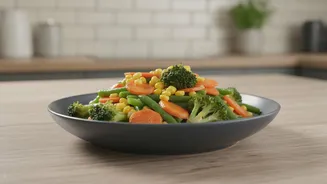
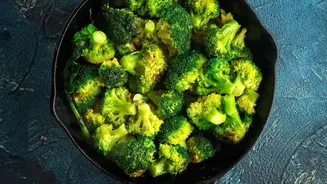
that water has nowhere to go but out, pooling in the pan and steaming the vegetables into a soft state. This is why a bag of thawed broccoli, for example, will feel much softer and leak water compared to its fresh counterpart. Most frozen vegetables are also blanched (partially cooked) before freezing, which means they need less cooking time than fresh ones. Overcooking them is a fast track to mush.
The Golden Rule: Cook From Frozen
Unless a recipe specifically tells you otherwise, do not thaw your frozen vegetables before cooking. Thawing them allows the water from the ruptured cell walls to seep out and soak the vegetable, guaranteeing a soft, waterlogged texture before you even start. Cooking them directly from frozen allows the high heat of your pan or oven to evaporate that excess moisture quickly, resulting in a better texture and flavour. This simple step is the single most important change you can make. It also saves you time and means one less bowl to wash.
Method 1: High-Heat Roasting for a Crispy Finish
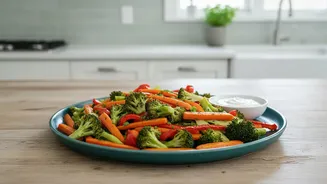
Roasting is an excellent way to get a delicious, caramelized flavour from frozen vegetables. The key is high heat, which helps drive off moisture quickly. Preheat your oven to a hot 425-450°F (220-230°C). For an even better result, place your empty baking sheet in the oven as it preheats. Toss your frozen vegetables in a bowl with a generous amount of a high-smoke-point oil, like avocado or vegetable oil, and your chosen seasonings. Then, spread them in a single, even layer on the hot pan. Do not overcrowd them; giving the vegetables space is crucial to allow them to roast instead of steam. Roast for about 20-30 minutes, flipping them once halfway through, until they are browned and crispy at the edges.
Method 2: The Sizzling Sauté
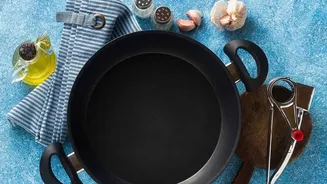
For a quick stovetop side, a sauté is perfect. Success here also depends on high heat. Heat your skillet or wok over medium-high heat, then add a bit of oil or butter. Once the pan is hot, add the frozen vegetables directly to the pan. You want to hear a sizzle. Cook, stirring occasionally, allowing the excess water to evaporate. Again, avoid overcrowding the pan, as this will lower the temperature and cause the vegetables to steam in their own liquid. Cook for about five to seven minutes until they are tender-crisp and the water is gone. Season them after the liquid has evaporated for the best flavour.
Method 3: Steaming Without the Sog
Steaming is a healthy option, but it's easily done wrong. The goal is to cook the vegetables with steam, not to boil them in water. Use a steamer basket inside a pot with a small amount of water. Ensure the water level is below the bottom of the basket so the vegetables aren't sitting in it. Bring the water to a boil, then add your frozen vegetables to the basket, cover the pot, and steam for just a few minutes. Small vegetables like peas or corn may only need two to five minutes. They are done when they are bright in colour and tender when pierced with a fork. Drain them immediately to prevent further cooking.
A Note on Microwaving
While convenient, microwaving is the method most likely to produce soggy results, unless you are using a bag specifically designed for microwave steaming. If you must use the microwave, use a microwave-safe dish with only a tiny splash of water, cover it, and cook in short intervals, stirring in between. This gives you more control and helps prevent the vegetables from sitting and stewing in excess liquid. Draining them immediately after cooking is also essential.