

Meet the Late Bloomers
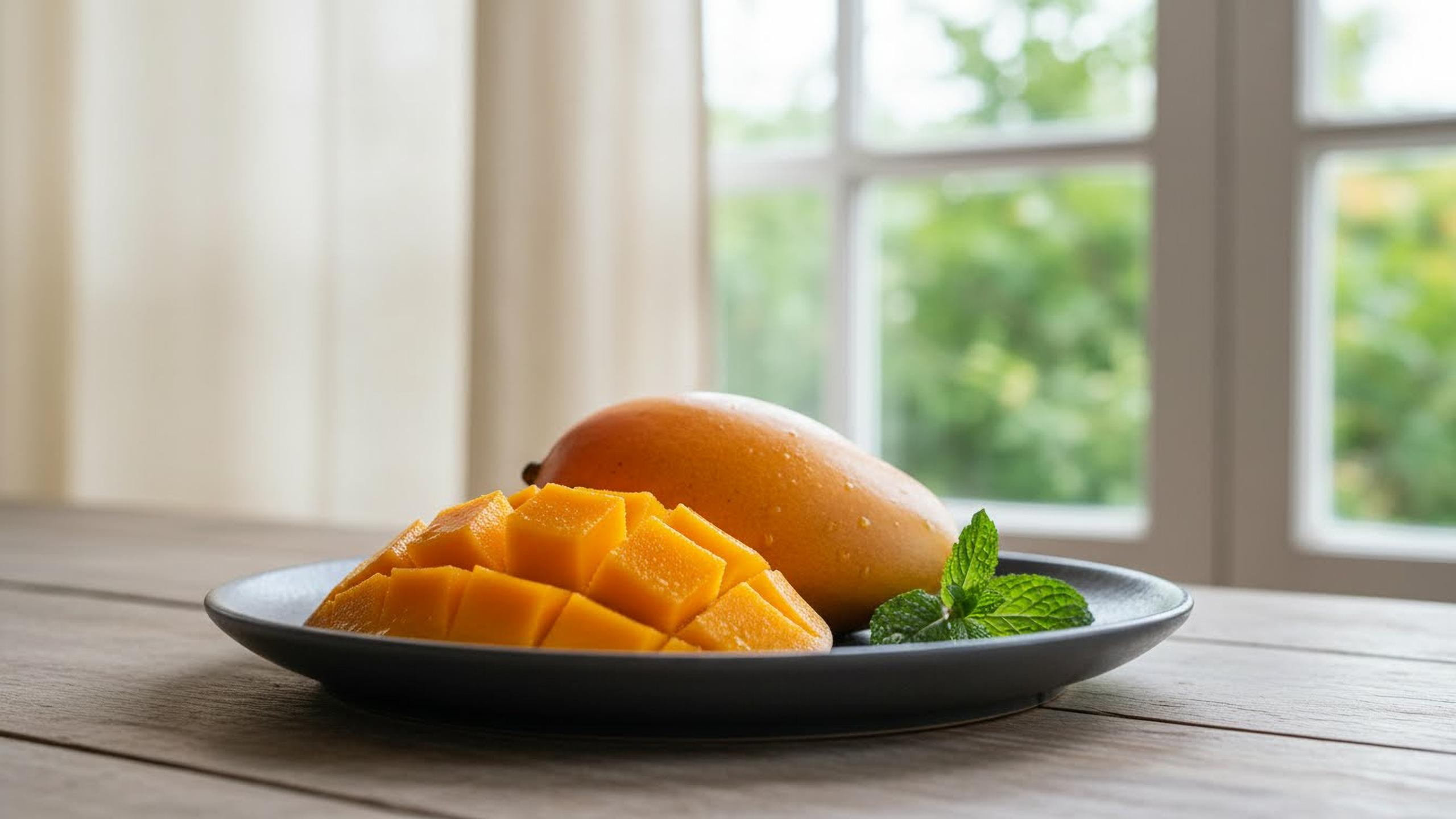
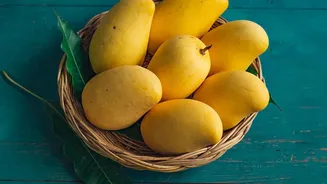
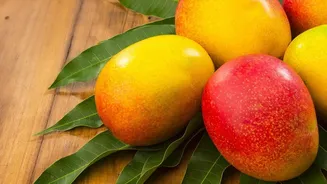
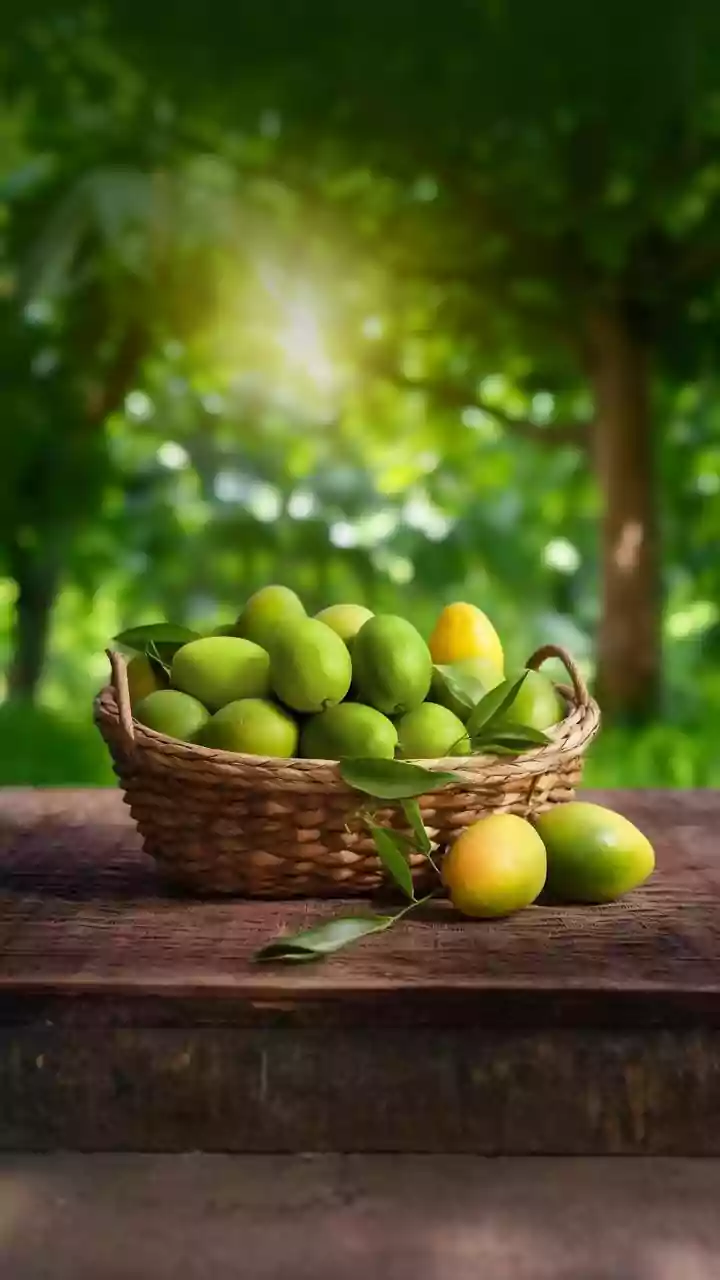
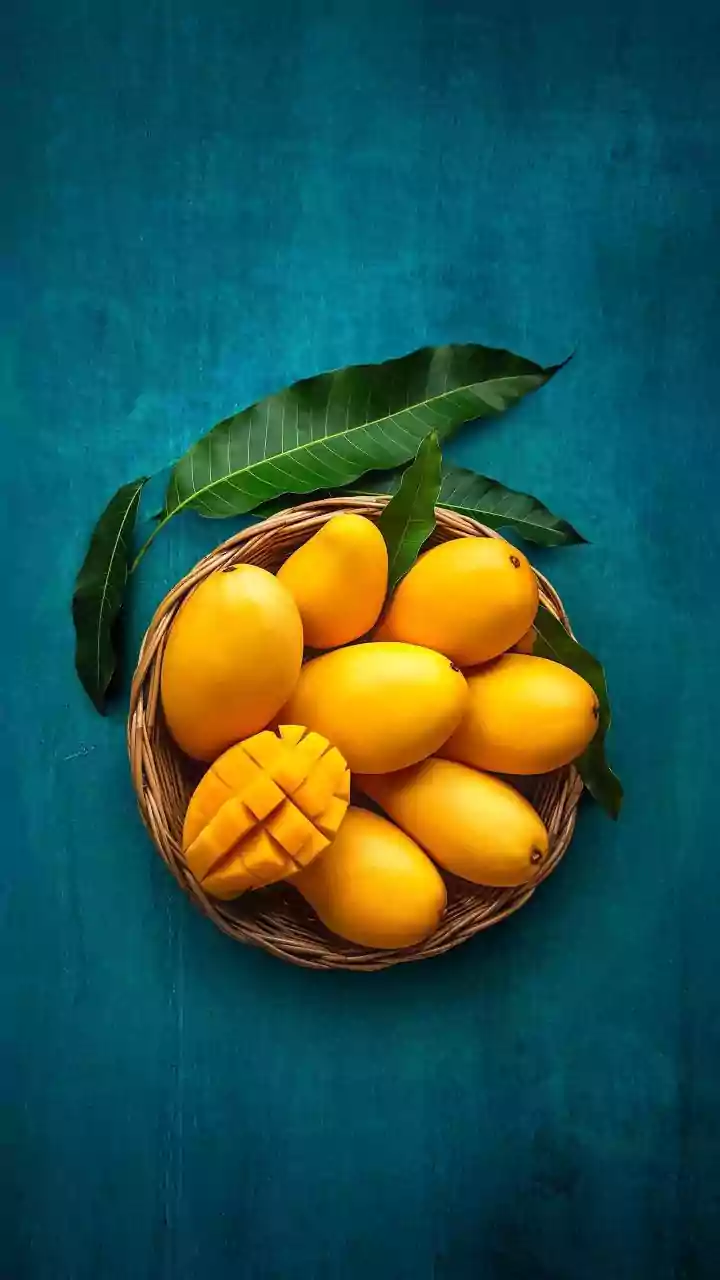
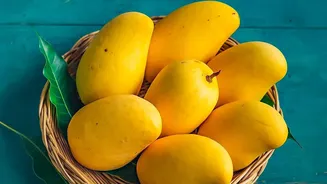
While the world fawns over Alphonso and Kesar mangoes during the peak April-May season, India's orchards have more to offer. Varieties like Neelam, Totapuri, and Chausa ripen later, typically harvested from late June through August. Neelam is prized for
its rich aroma and juicy pulp, perfect for desserts and drinks, while the distinctively shaped Totapuri has a sweet-tangy flavour that makes it versatile for both eating fresh and processing. These late-season stars have historically been enjoyed locally, as their shorter shelf life after ripening made long-distance travel a significant gamble. But that is now changing, creating new opportunities for farmers and exporters to cater to international demand well beyond the traditional peak period.
The Race Against the Clock
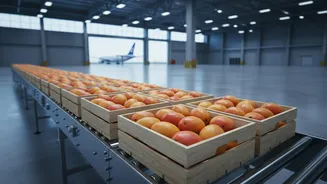
Exporting fresh mangoes is a high-stakes race against time. As a climacteric fruit, a mango’s journey from tree to table is a delicate one, highly sensitive to temperature, handling, and transit duration. Even minor delays or bruises can lead to spoilage and rejection in discerning international markets. For decades, this has made air freight the only viable option for shipping premium, perishable mangoes to far-flung markets like the United States, Europe, and the Middle East, as sea freight’s long transit times are unsuitable for maintaining freshness. This reliance on air cargo makes the entire export chain dependent on the availability, cost, and efficiency of flights. Any disruption can have an outsized impact on this price-sensitive commodity.
The Air Freight Advantage
Faster and more efficient air cargo is the game-changer. By drastically cutting down transit times, air transport allows exporters to ship mangoes that are closer to their peak ripeness, delivering a much better-tasting fruit to the end consumer. Studies have shown that air-freighted mangoes retain higher levels of desirable volatile compounds, which contribute to their aroma and flavour, compared to those sent by sea. This is crucial for late-season varieties, which may not have the same hardiness as their early-season cousins. The speed of air cargo ensures these delicate fruits arrive in pristine condition, transforming what was once a local delicacy into a viable international product. As a result, airlines have become critical partners in India's agricultural export story, with major carriers transporting over 1,000 tonnes of mangoes in just a few months during the 2026 season.
New Markets, Better Returns
This logistical evolution is opening new doors. Recently, the Agricultural and Processed Food Products Export Development Authority (APEDA) facilitated the first-ever air shipment of Neelam and Totapuri mangoes from Karnataka to the Maldives. This marks a significant milestone in promoting India’s late-season varieties abroad. More importantly, this model of direct procurement from Farmer Producer Companies (FPCs) is empowering local growers. By connecting farmers in places like Karnataka's Kolar district directly with exporters, the system cuts out intermediaries, allowing farmers to earn over 50% higher returns compared to selling in traditional domestic markets. This initiative not only strengthens India’s mango export basket but also contributes to sustainable income growth for farming communities.
Challenges on the Horizon
Despite the progress, the path is not without its hurdles. The reliance on air freight makes exporters vulnerable to cost fluctuations and capacity constraints. Recent global events, for example, have led to sharp increases in freight rates, squeezing already tight profit margins for a price-sensitive product like mangoes. Airlines often prioritize higher-yield cargo, which can lead to offloading or delays for perishables, adding a layer of uncertainty. To mitigate these risks, exporters are focusing on stricter quality control, with meticulous temperature management and faster handovers to preserve the fruit's quality from the packhouse to the plane. The goal is to build a resilient cold chain that can withstand logistical pressures and consistently deliver quality fruit.