







Why a Good Thing Can Be Too Much
Scent is a powerful tool. A pleasant aroma can calm our nerves, improve mood, and even help us sleep. However, the same fragrance that feels delightful in a large, airy living room can become cloying and intense in a smaller, enclosed bedroom. This is because
the volatile organic compounds (VOCs) released by fragrant flowers concentrate in the air. Without adequate ventilation, a small room can quickly become saturated with scent, which can overwhelm the olfactory system and even trigger physical reactions. For some people, especially those prone to allergies or migraines, this can lead to headaches, dizziness, or sinus irritation. It's not that the plant is bad; it's simply a case of the fragrance being too potent for the space it occupies.
The Usual Suspects: Powerful Fragrances
In India, several beloved plants are famous for their intense and beautiful scents, often enjoyed in courtyards or on balconies. However, these are the very plants to be cautious with in a small bedroom. Jasmine (Mogra), for instance, is a cultural icon, but its heady aroma can be overwhelming indoors. The same is true for Tuberose (Rajnigandha), another night-blooming flower with a famously potent fragrance. While its essential oil is used in aromatherapy to calm nerves and reduce stress, the sheer concentration of its scent from a live plant in a confined area can be too much for some, potentially leading to discomfort. Even Gardenias, with their creamy, rich perfume, fall into this category. These plants are wonderful, but their powerful aroma is often better suited to larger, more open areas where the scent can dissipate naturally.
Gentle Alternatives for a Serene Bedroom
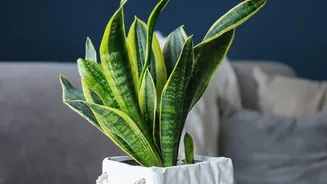
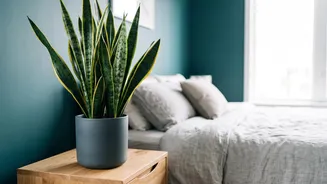
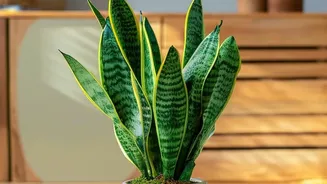
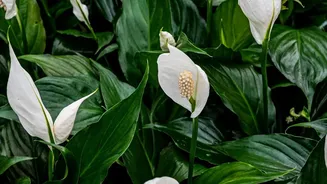
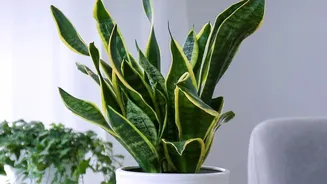
If you love the idea of a naturally scented bedroom, don't despair. There are plenty of plants that offer a mild, pleasant fragrance without overwhelming the senses. Lavender is a classic choice, known for its calming properties that can aid in relaxation and sleep. Scented Geraniums are another excellent option, releasing a subtle fragrance of rose, lemon, or mint when their leaves are touched. For a less floral but equally fresh approach, consider plants that are primarily known for their air-purifying qualities. While the science on plants dramatically cleaning the air is debated, many people find psychological comfort in their presence. Plants like the Snake Plant, Peace Lily, and Areca Palm are fantastic, low-maintenance choices for Indian bedrooms. They add a touch of green and can help maintain humidity, especially in air-conditioned rooms, without introducing a strong scent.
Tips for Finding Your Fragrance Balance
Creating the perfect bedroom environment is about balance and personal preference. If you are set on having a more fragrant plant, there are ways to manage its impact. Good ventilation is key; opening a window for a few hours a day can prevent the scent from becoming too concentrated. You can also manage the intensity by placement. Instead of putting a highly fragrant plant on your bedside table, position it in a corner further away from where you sleep. This allows the fragrance to subtly perfume the room rather than being right next to your nose all night. Another strategy is to choose plants that release their scent during the day and are less active at night. Ultimately, it’s about listening to your body. If you notice headaches or stuffiness, the plant might be too strong for your space. It’s a process of trial and error to find the perfect green companion for your sanctuary.