



Solving the Storage Squeeze
More than just a place to cook, the modern Indian kitchen is a hub of activity. This means it needs to be ruthlessly efficient, especially when it comes to storage. The biggest mistake is thinking only in terms of traditional cabinets. Effective decor
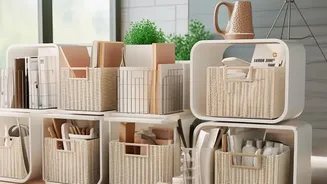
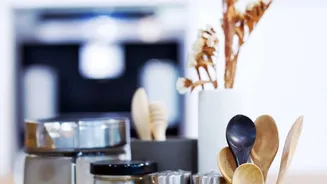
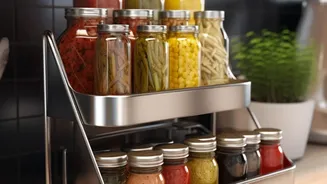
leverages every available surface. Consider installing sleek open shelving for frequently used items; this not only provides quick access but also makes a small kitchen feel less boxed in. You can display attractive ceramic jars for dals and spices, turning everyday ingredients into a design feature. Use the vertical space above your cabinets for items you use less frequently. Magnetic knife strips mounted on the wall free up counter space and look professional. Inside drawers, dividers are your best friend, taming the chaos of cutlery and utensils. Even something as simple as a decorative, multi-tiered fruit basket can clear your countertops while adding a splash of colour.
Designing for Better Movement
A functional kitchen allows you to move freely and efficiently, without unnecessary steps or awkward turns. This is where the classic 'kitchen work triangle' comes into play. This design principle suggests that the sink, stove, and refrigerator should form a natural triangle, making movement between these key areas as easy as possible. Even if you can't remodel, you can improve flow. The goal is to keep pathways clear. A key decor choice here is a slim, movable kitchen island or cart. It can provide extra prep space when you need it and can be pushed aside to open up the room when you have guests. Avoid bulky rugs that can be a tripping hazard. Ensure that cabinet and appliance doors can open fully without blocking main walkways. By thoughtfully placing your items and using flexible furniture, your decor can guide movement and make your kitchen a safer and more pleasant space to work in.
Boosting Visibility and Brightness
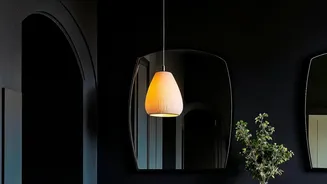
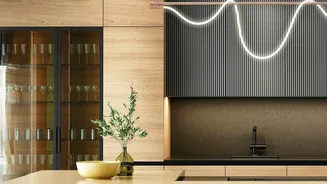
You can't cook what you can't see. Visibility is a critical, yet often overlooked, aspect of kitchen design that is directly tied to your decor choices. Good lighting is about layers. Start with ambient light, the main overhead source that illuminates the whole room, like a central flush-mount fixture. Then, add task lighting, which is crucial for safety and precision. Under-cabinet LED strips are a game-changer, lighting up your countertops so you’re not chopping in your own shadow. Pendants over an island or sink provide focused light where you need it most. Finally, accent lighting, like lights inside glass cabinets, can add depth and mood. Your colour palette is also a lighting tool. Light, neutral colours on walls and cabinets reflect light, making the entire space feel bigger and brighter. A glossy backsplash not only protects your walls but also bounces light around the room, enhancing overall visibility.
Unifying Function and Style
The most effective kitchens are those where function and aesthetics are seamlessly integrated. The solutions for storage, movement, and visibility should not feel like separate, competing priorities. Instead, they should work together to create a cohesive look. For example, the brass handles on your pull-out drawers (a storage solution) can match the finish on your pendant lights (a visibility solution). The light-coloured paint you choose to brighten the room (a visibility choice) provides a clean backdrop for your colourful spice jars on open shelves (a storage strategy). In Indian homes, this is also an opportunity to blend modern functionality with traditional aesthetics. Think modular cabinets paired with traditional motifs, or modern appliances set against a wall with vibrant, patterned tiles. The goal is to create a space that not only works effortlessly but also reflects your personal style and cultural heritage.