





The Case for the Mat: An Internal Tune-Up
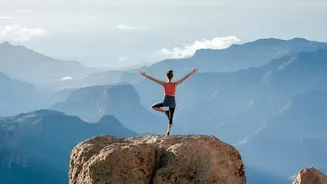
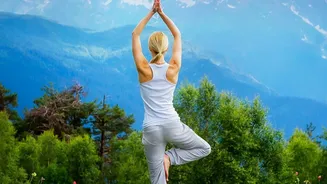
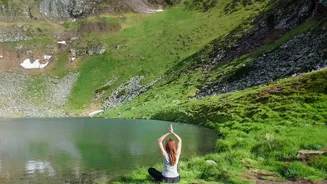
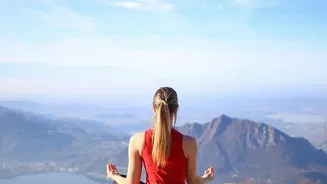
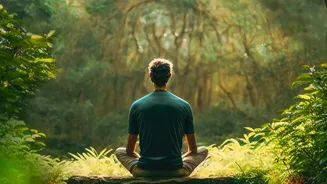
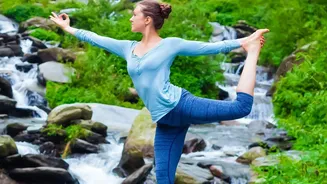
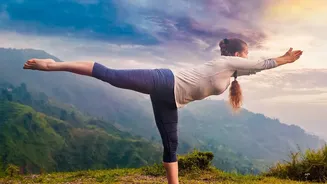
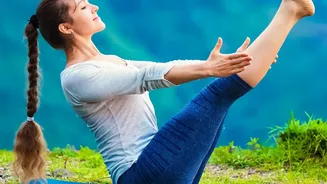
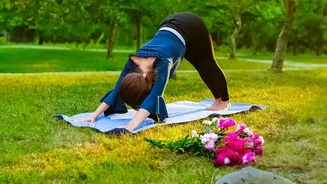
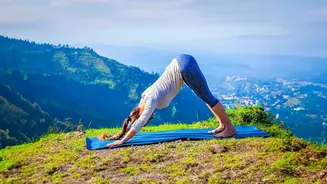
A daily mat practice, whether it is yoga, Pilates, or simple stretching, is an exercise in turning inward. The four corners of your mat create a self-contained world where the focus is on breath and body. This controlled environment is key to its de-stressing
power. Practices like yoga are known to directly stimulate the vagus nerve through deep, intentional breathing (pranayama), which activates the body's parasympathetic nervous system—our natural 'rest and digest' state. This can lead to a measurable reduction in cortisol, the primary stress hormone. Studies have also shown that yoga can increase levels of GABA, a neurotransmitter that has a calming effect on the brain. The physical side of mat work, focusing on posture, balance, and flexibility, improves proprioception, which is your awareness of your body in space. This heightened mind-body connection helps ground you in the present moment, interrupting the mental loops of anxiety and worry.
The Power of the Trail: An External Reset
Outdoor trail walking, often called 'green exercise,' harnesses the restorative power of nature to soothe the mind. Its strength lies in pulling your focus outward. Instead of concentrating on internal sensations, your attention is gently captured by the sights and sounds around you—the rustling leaves, the shifting light, the feeling of wind. This process, known as 'soft fascination,' helps to calm the nervous system without demanding intense focus. Research has shown that spending time in nature can reduce rumination, the pattern of dwelling on negative thoughts, by lowering activity in the part of the brain linked to this cycle. A 90-minute walk in a natural setting has been shown to have this effect. Furthermore, physical activity outdoors releases endorphins, which boost mood, and simply being in the sun helps the body produce Vitamin D, a deficiency of which is often linked to mood disorders.
Accessibility and Practicality
When it comes to convenience, a mat practice often has the edge. It requires minimal space and can be done at home at any time, regardless of weather, making it a highly consistent and accessible option. An outdoor trail, by contrast, requires access to a safe and suitable natural environment, which isn't available to everyone. Walking is generally a low-impact activity, but hiking on uneven terrain can be more physically demanding. Yoga and Pilates, while gentle, require a degree of mobility and can be adapted for different fitness levels. Both activities are relatively low-cost, though yoga classes can be an added expense, while many trails are free to access.
Which Is Right for Your Stress?
The best choice often depends on the nature of your stress. If you feel physically tense, disconnected from your body, or trapped in a cycle of internal worry, a mat practice can help you regulate your nervous system from the inside out. The focus on breathwork and mindful movement is specifically designed to tackle this kind of physiological stress. On the other hand, if you are feeling stuck, uninspired, or caught in repetitive negative thought patterns, an outdoor walk can provide a powerful mental reset. The sensory input from nature helps to break the cycle of rumination and provides a much-needed change of perspective. For some, walking is more effective for boosting cardiovascular health, while yoga excels at improving flexibility and strength.