
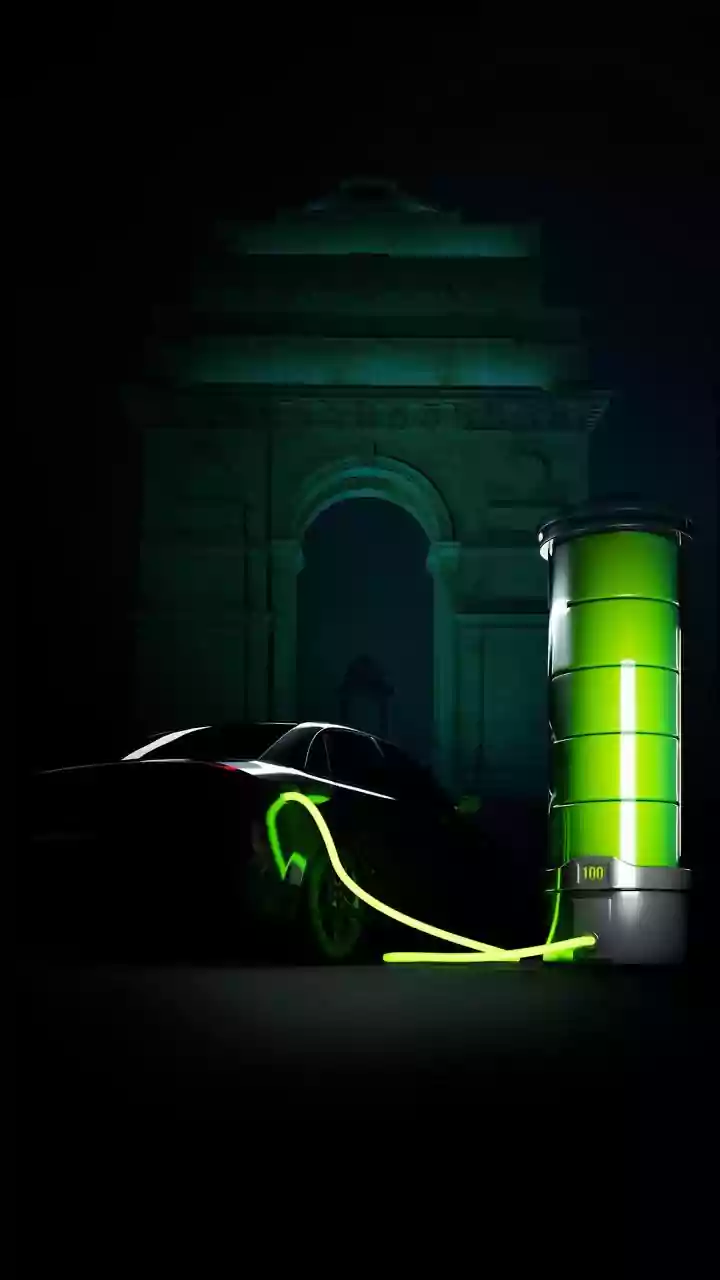








A New Foundation for Electric Power
At the core of the new Range Rover Sport Electric is the advanced Modular Longitudinal Architecture (MLA) platform. This versatile foundation was engineered from the start to accommodate internal combustion, plug-in hybrid, and fully electric powertrains,
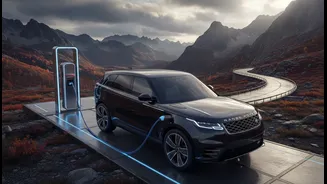
allowing Land Rover to electrify its flagship models without major design compromises. For the Sport EV, this means integrating a dual-motor, all-wheel-drive system paired with a substantial 118.5kWh battery pack developed in-house. This setup is shared with its larger sibling, the flagship Range Rover Electric, demonstrating a strategic approach to electrification across its top-tier models. The in-house development of the motors and battery technology underscores the company's commitment to defining its own performance and refinement characteristics in the electric age. This platform ensures the battery is mounted low in the chassis, lowering the vehicle's center of gravity without intruding on cabin space or practicality.
Balancing Speed, Stamina, and Charging
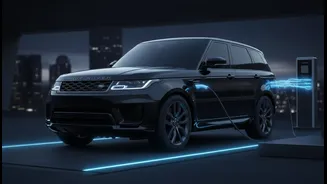
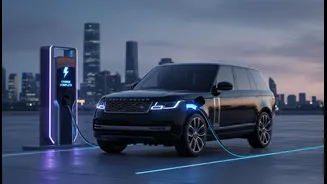
Land Rover has promised the Sport Electric will be the “more dynamic and faster than ever,” a bold claim given the performance of past models. The dual-motor configuration is expected to deliver outputs around 542 horsepower, with some reports suggesting up to 550 hp, and a massive 627 lb-ft of instant torque. This power is aimed at eclipsing the acceleration of even the potent V8-powered Sport SV. While outright speed is a key target, range remains a critical factor for luxury EV buyers. Projections place the Sport EV's range at approximately 330 miles on the US EPA cycle, or around 380 miles on the European WLTP standard. To complement this, the vehicle is built on an 800-volt electrical architecture. This technology is crucial for enabling ultra-rapid DC charging speeds, potentially as high as 350 kW, which would allow for quick top-ups on long journeys.
Electrifying Off-Road Prowess
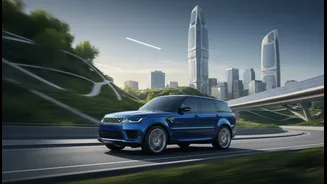
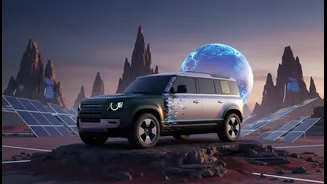
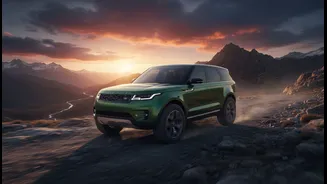
A Range Rover wouldn't be a Range Rover without serious trail ability, and the brand insists the electric model is no exception. The guiding philosophy was to build a Range Rover first, and an electric vehicle second. This means the Sport EV has undergone the same rigorous global testing program as its combustion-engine counterparts, from arctic cold to desert heat. The inherent nature of electric motors, which provide instant and precisely controllable torque from a standstill, is a significant advantage in off-road scenarios. Combined with systems like air suspension and four-wheel steering, the electric powertrain is being tuned to enhance the vehicle's legendary capability on difficult terrain. The company has calibrated the throttle response to be progressive rather than jarring, ensuring smooth control whether navigating a city street or a rocky incline. This focus on maintaining its rugged DNA is a key differentiator in an increasingly crowded luxury EV market.
The Competitive Road Ahead
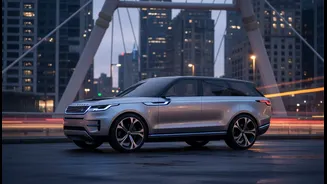
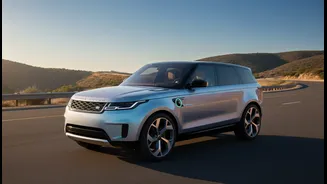
The Range Rover Sport Electric is entering a fiercely competitive segment. It will face off against established and upcoming rivals like the BMW iX5, Porsche Cayenne Electric, Rivian R1S, and Lucid Gravity. To stand out, Land Rover is banking on its unique blend of modern luxury, on-road performance, and genuine off-road credentials. The design remains recognizably Range Rover Sport, a deliberate choice to retain brand identity rather than adopting a radically different EV look. Set to launch later in 2026, the Sport EV will be positioned as a slightly more accessible option than the flagship Range Rover Electric, with an expected starting price in the UK of around £100,000. Its success will hinge on whether it can convince buyers that an electric heart doesn't diminish the soul of a true Range Rover.