




A Jolt Over the Indian Subcontinent
On August 4, 2026, an Air India Airbus A320neo flying from Phuket to Delhi encountered severe turbulence, causing a sudden loss of altitude. The event was significant enough to injure seventeen people, including passengers and cabin crew, who required
medical evaluation after the plane landed safely in Delhi. Images from inside the cabin showed damaged interior panels, a testament to the force of the event. While incidents of this severity are not an everyday occurrence, they serve as a critical reminder that the calm of cruising altitude can be broken in an instant, and preparedness is paramount.
Why Does Turbulence Happen?
Turbulence is essentially unstable air movement that can jolt an aircraft. It's caused by several factors. Convective turbulence is created by thunderstorms, while mechanical turbulence is caused by airflow being disrupted by mountains or large buildings. Then there is clear-air turbulence (CAT), which is the most insidious. It occurs without any visible warning, like clouds, and is often found near jet streams—fast-moving rivers of air where commercial planes fly. This invisible form is a primary cause of turbulence-related accidents and injuries because it hits aircraft unexpectedly.
Is It Getting Worse?
Many frequent flyers feel that flights are getting bumpier, and science suggests they are right. Research indicates that climate change is a contributing factor. As the planet warms, it increases instability in the jet stream, leading to more frequent and intense clear-air turbulence. One study from the University of Reading found that severe clear-air turbulence on the busy North Atlantic route increased by 55% between 1979 and 2020. Experts predict this trend will continue, making bumpy flights more common in the coming decades.
Your Seatbelt: The Ultimate Safety Tool
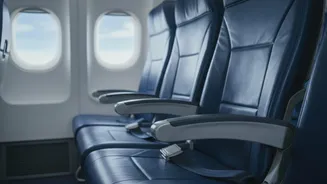
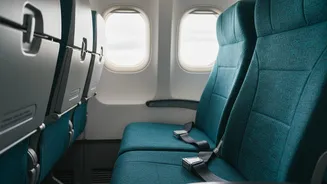
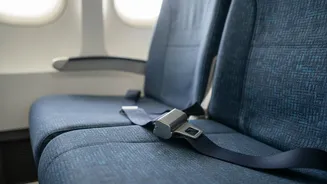
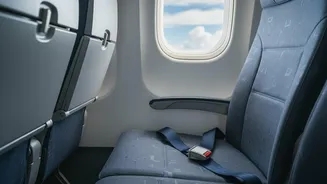
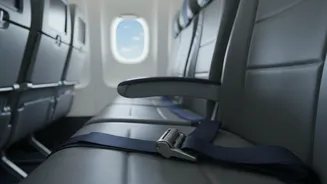
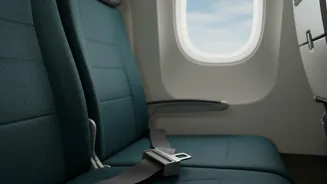
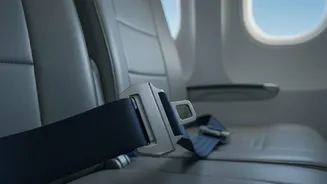
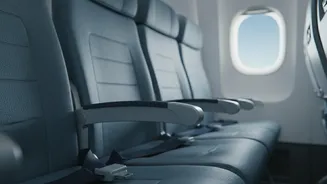
Aviation experts and safety authorities are unanimous on the single most effective way to prevent injury from turbulence: keep your seatbelt fastened. According to the FAA and other safety bodies, almost all serious injuries from turbulence happen to people who are not buckled in. During severe turbulence, an aircraft can drop suddenly, creating negative G-forces that can launch unbelted passengers and objects toward the ceiling. Even when the seatbelt sign is off, it is highly recommended to keep your belt fastened loosely whenever you are in your seat. It’s a simple act that can prevent everything from minor bruises to severe head injuries.
Beyond the Belt: Cabin Safety
In addition to wearing your seatbelt, there are other small steps you can take to enhance your safety. Ensure your carry-on luggage is stowed securely in the overhead bin or under the seat in front of you. Unsecured items can become dangerous projectiles during a bumpy ride. Pay attention to the crew's safety briefing and follow their instructions. If you are moving around the cabin, try to hold on to seat backs for stability. Cabin crew are at a higher risk of injury because they are often on their feet; their first priority in sudden turbulence is their own safety, so they can then help others.
Coping with Turbulence Anxiety
For many, the fear of turbulence is worse than the event itself. If you're a nervous flyer, knowledge is power. Understand that commercial aircraft are engineered to withstand incredible forces—far more than turbulence can typically generate. Pilots are trained to handle these situations and use weather radar and reports from other aircraft to avoid the worst areas. To manage anxiety during a flight, try distraction techniques like listening to music or watching a movie. Deep breathing exercises can also help calm your nervous system. Remember, turbulence is a normal, albeit uncomfortable, part of flying, not necessarily a sign of danger.