






The Problem with Liquid Sugar
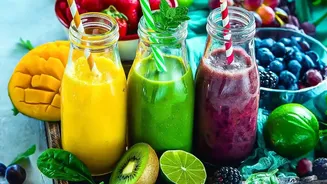
Many popular breakfast drinks, from fruit juices to sweetened coffees and bottled smoothies, deliver a rapid, concentrated dose of sugar. Even '100% juice' with 'no added sugar' is problematic. When a fruit is juiced, its natural sugars are stripped of their
fibrous structure. This liquid sugar is absorbed into the bloodstream almost instantly, causing a sharp spike in blood glucose. This is often followed by the dreaded 'sugar crash', leaving you feeling tired, foggy, and hungry long before lunchtime. Studies have even linked higher consumption of fruit juice to an increased risk of type 2 diabetes.
Whole Fruit's Secret Weapon: Fibre
The crucial difference between eating an apple and drinking its juice comes down to one word: fibre. The fibre in whole fruit acts like a built-in braking system. It forms a gel-like substance in your stomach, which slows down digestion and, most importantly, slows the rate at which sugar enters your bloodstream. Your body has to work to break down the fruit's cellular structure, resulting in a much gentler, more gradual rise in blood sugar instead of a sudden spike. This process not only provides sustained energy but also helps you feel fuller for longer, which can aid in weight management.
Understanding Glycemic Index
The Glycemic Index (GI) is a scale that ranks carbohydrate-containing foods by how quickly they raise blood glucose levels. Whole fruits generally have a low GI, while their juices have a much higher one. For example, a whole orange has a GI of around 40, which is considered low. A glass of orange juice, however, can have a GI of 66 or higher, putting it in the medium-to-high category. This stark difference is almost entirely due to the removal of fibre during the juicing process. Choosing low-GI foods, especially at breakfast, sets a more stable metabolic tone for the entire day.
Quick Breakfasts for a Balanced Start
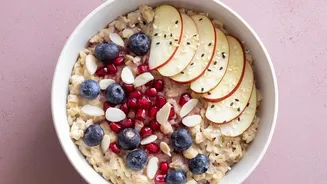
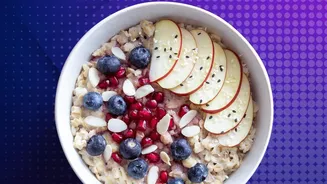
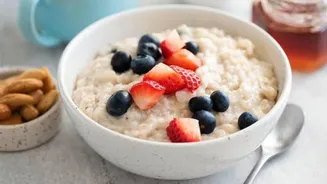
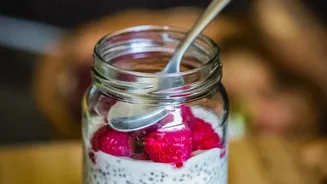
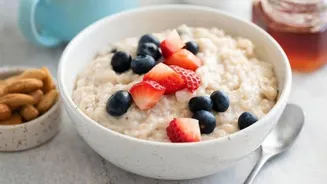
Building a blood sugar-friendly breakfast doesn't have to be time-consuming. The key is to combine whole fruit with protein and healthy fats to further slow digestion and boost satiety. Try these quick options: - Greek Yoghurt with Berries and Nuts: Full-fat Greek yoghurt provides protein, while berries are a low-GI fruit choice. A handful of nuts adds healthy fats and crunch. - Apple Slices with Nut Butter: A simple, classic combination that balances the fruit's carbohydrates with protein and fat. - Porridge with Fruit and Seeds: Opt for steel-cut or rolled oats (not the instant kind) and top with chopped fruit and a sprinkle of chia or flax seeds for extra fibre. - Cottage Cheese with Peaches: Cottage cheese is an excellent source of protein that pairs well with the sweetness of fresh or frozen fruit.
Reading Labels and Making Smarter Swaps
When you are short on time, it pays to be a savvy label-reader. Be wary of terms like 'fruit drink' or 'nectar', which often contain significant added sugars. Remember that even '100% juice' is counted by the World Health Organization as a source of 'free sugars'—the kind we should limit. The best liquid choice in the morning is always water. If you crave flavour, try infusing it with slices of lemon, cucumber, or a few whole berries. When you want the goodness of fruit, prioritise eating it in its natural, whole form. Your energy levels and long-term health will thank you for it.