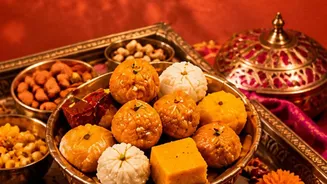






The joyous lights of Diwali may have dimmed, but the aftermath of festive feasting can linger. Getting back to a regular eating schedule can feel daunting. Here’s a cardiologist-approved guide to gently resetting your system.
Don't Skip Meals or Crash Diet
After days of indulgence,
it might seem logical to skip meals or start an extreme 'detox' plan. However, experts strongly advise against this. Drastic diets can lead to unhealthy eating patterns, feelings of deprivation, and often backfire by causing you to overeat later. The goal is not to punish your body but to gently guide it back to balance. Instead of starving yourself, focus on returning to a consistent schedule of balanced, nourishing meals. A sudden, restrictive diet is a shock to the system; a gradual return to healthy habits is far more sustainable and effective for long-term well-being.
Hydrate to Rejuvenate
The first and simplest step in your post-Diwali recovery is to rehydrate. Festive foods are often high in salt and sugar, which can lead to bloating and water retention. Drinking plenty of water—aim for 8-10 glasses a day—helps flush out excess sodium and toxins, reduces bloating, and kick-starts your metabolism. Start your day with a glass of warm water, perhaps with a splash of lemon. Throughout the day, you can also sip on herbal teas like ginger or peppermint, or have coconut water, to aid digestion and replenish fluids. Proper hydration is key to helping your kidneys and digestive system recover.
Reintroduce Fibre and Colour
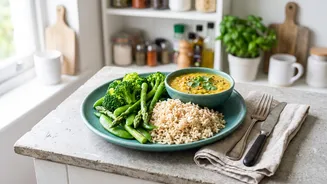
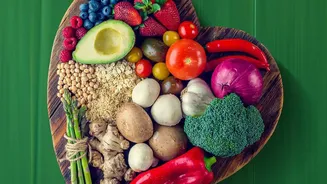
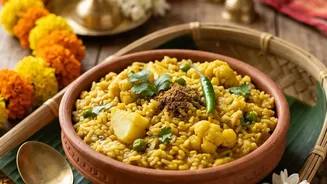
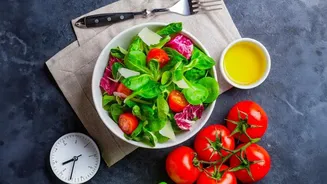
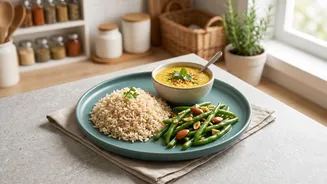
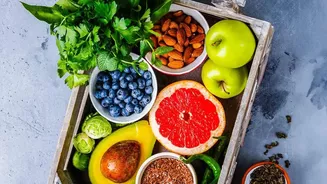
After feasting on rich, fried foods and sweets, your digestive system needs a break. Give it one by reintroducing fibre-rich foods. Focus on light, home-cooked meals like khichdi, dal, and steamed vegetables. These are easy on the stomach and help regulate your system. Gradually add more colourful fruits and vegetables to your plate, as they are packed with antioxidants and essential nutrients. Good options include leafy greens, berries, and seasonal fruits like guava and pomegranate. Fibre helps you feel full for longer, aids digestion, and stabilises blood sugar levels, preventing the energy crashes that lead to more sugar cravings.
Focus on Lean Protein
Protein is crucial for feeling satisfied after meals and reducing the urge to snack on leftover Diwali treats. Incorporate lean protein sources into your meals, such as dal, paneer, eggs, fish, or chicken. Starting your day with a protein_rich breakfast can help curb your appetite and keep your energy levels stable. By prioritising protein, you support muscle maintenance and a healthy metabolism, which may have become sluggish due to irregular festive eating patterns.
Re-'establish Your Routine
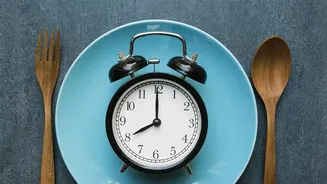
Festivals often disrupt our daily schedules, from meal times to sleep. One of the most important things you can do is get back to a consistent routine. Try to eat your meals at roughly the same time each day to help regulate your body's hunger signals and metabolism. A gentle walk for 10-'15 minutes after meals can also significantly aid digestion and help manage blood sugar levels. Similarly,' prioritising sleep is vital.' Aim to return to a regular bedtime and wake-'up time to help your body's internal clock readjust,' which influences everything from appetite to mood.
Be Patient and Kind to Yourself
Finally,' it's important to approach this transition without guilt.' A few days of festive indulgence do not define your overall health.' The psychological aspect of getting back on track is just as important as the physical one.' Feeling guilty can lead to a negative cycle of restriction and binging.' Instead,' enjoy the memories of the celebration and focus on making small,' positive choices each day.' Your body is resilient,' and by gently returning to habits that support your well-'being,' you'll soon feel more energetic and balanced.