






An Inevitable Collision
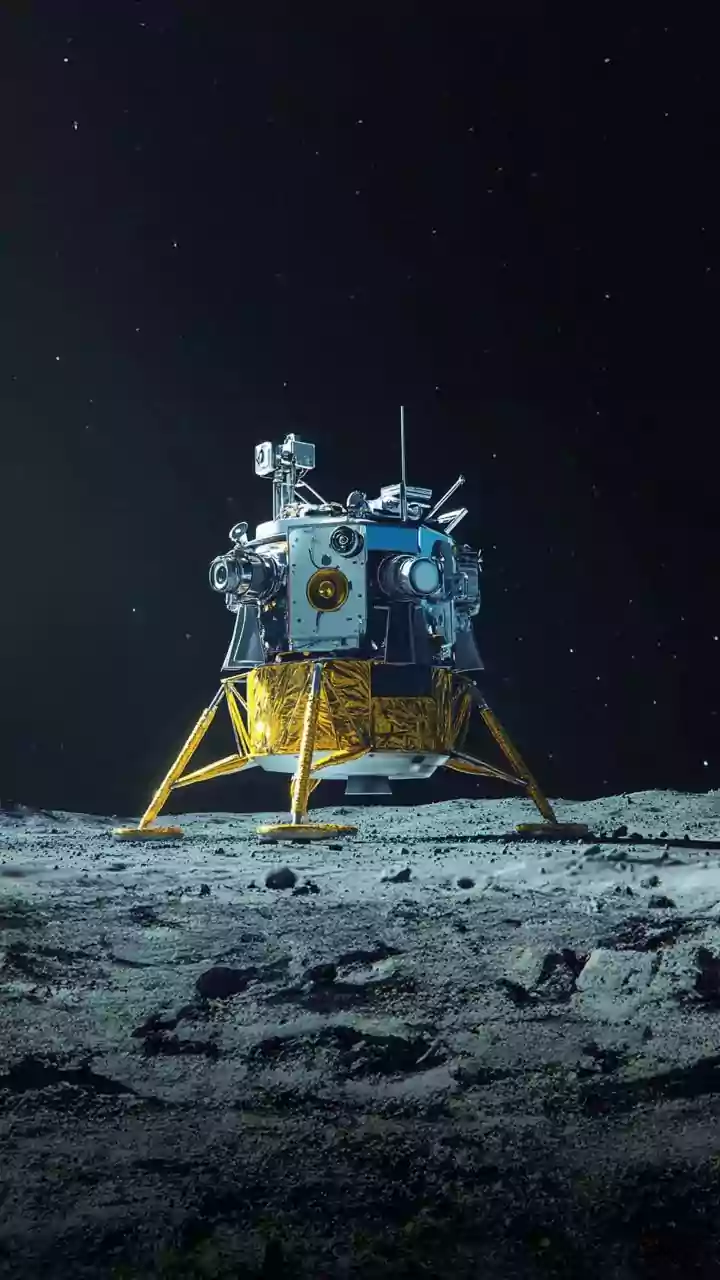
The object in question was the upper, or second, stage of a Falcon 9 rocket launched in January 2025. Its primary mission was to propel Firefly Aerospace’s ‘Blue Ghost’ lander towards the Moon. After completing its task, the four-ton rocket stage lacked
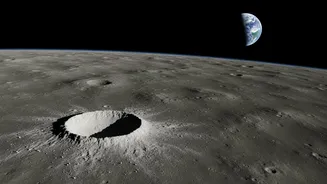
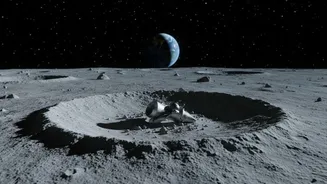
enough fuel to either return to Earth or escape into a stable orbit around the sun. Instead, it was captured by a chaotic dance of gravitational forces, putting it on a collision course that astronomers had been tracking for over a year. Space-tracking expert Bill Gray accurately predicted the impact, which occurred on August 5, 2026, near the Moon's vast Einstein crater.
The Scar and the Evidence
The impact, though not visible from Earth as a bright flash, was confirmed by multiple sources. South Korea’s Danuri lunar orbiter, already circling the Moon, successfully captured before-and-after images of the impact site, revealing a fresh, dark pockmark on the grey surface. Reports also indicate a Chinese commercial debris-monitoring satellite recorded the event. Scientists estimate the collision created a crater roughly 60 to 100 feet wide and up to 16 feet deep. While the Moon is constantly bombarded by meteoroids, this event is significant because the impactor was a known, man-made object.
An Accidental Science Experiment
While an uncontrolled crash raises safety questions, scientists have also seized upon it as a rare research opportunity. Unlike natural meteoroid strikes, where the object's mass and composition are unknown, astronomers knew the exact specifications of the Falcon 9 stage. This makes the collision a valuable “controlled source event.” By studying the plume of dust and rock kicked up by the impact—known as ejecta—and the shape of the resulting crater, researchers can gain crucial insights into the Moon's surface geology. It also helps refine models for how high-velocity impacts behave in a low-gravity, airless environment, data that is vital for protecting future lunar missions.
A Warning for a Crowded Cislunar Space
This is only the second time a piece of space junk is known to have accidentally hit the Moon; the first was a Chinese rocket booster in 2022. The incident serves as a stark warning about the growing problem of orbital debris beyond Earth's immediate vicinity. As government programs like Artemis and a host of private companies prepare for a new era of lunar exploration and settlement, the space between the Earth and Moon is getting crowded. This Falcon 9 impact highlights a tangible operational risk, where high-velocity debris could one day pose a genuine hazard to surface habitats, solar arrays, and even astronauts working on the surface.
The Wild West of Deep Space
The collision underscores a significant gap in space governance. While there are guidelines and nascent technologies for managing debris in low-Earth orbit, the rules for deep space are far less developed. There are currently no international regulations requiring companies or countries to safely dispose of rocket stages used for lunar or other deep space missions. This Falcon 9, like the Chinese booster before it, was essentially abandoned in a chaotic orbit because there was no plan for its end of life. The crash is a wake-up call, prompting calls for new international standards to ensure the lunar environment is protected as human activity there intensifies.