



The Big Takeaway from SMOPS-2026
The international conference on Spacecraft Mission Operations (SMOPS-2026) brought together experts from space agencies and private companies to chart the future. A clear and dominant theme emerged from the discussions: the urgent need to develop more
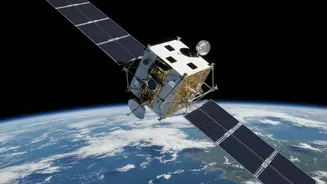
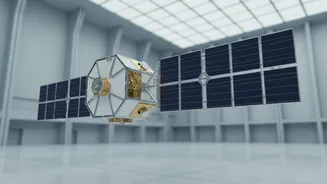
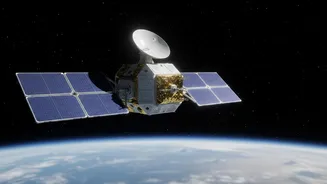
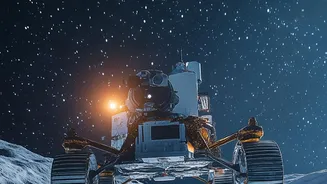
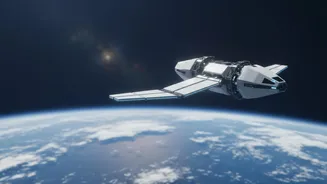
autonomous spacecraft. This isn't just about futuristic technology; it's a practical response to the increasing complexity of space operations. With the rise of massive satellite constellations and ambitions for deep-space exploration, the traditional model of constant ground-based supervision is becoming unsustainable and inefficient.
Why Less Control Is More
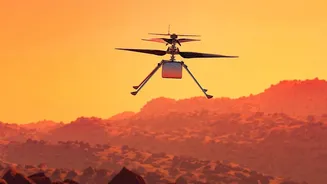
Reducing dependence on ground control offers several game-changing advantages. For deep-space missions to Mars or beyond, the communication delay can be minutes or even hours, making real-time human control impossible. Autonomous systems can react instantly to unforeseen events, like avoiding debris or correcting a system fault, which could save a mission. On the business side, automation significantly cuts operational costs. Running a 24/7 ground control team is expensive, and as companies launch constellations of hundreds or thousands of satellites, automating routine management becomes a financial necessity.
AI Takes the Pilot's Seat
The key to this new era is artificial intelligence. Modern spacecraft automation is much more than simple pre-programmed commands. It involves sophisticated AI and machine learning algorithms that allow a spacecraft to perceive its environment, diagnose its own health, and make intelligent decisions. This 'edge AI' means data is processed directly on the satellite instead of being sent to Earth first, drastically reducing latency. For example, AI can optimize power consumption, calculate the most fuel-efficient routes, or even decide which scientific data is most valuable to transmit back, freeing up bandwidth.
The Evolving Role of Humans
A future with autonomous spacecraft doesn't mean humans are out of a job. Instead, the role of ground control is evolving from that of a constant pilot to a high-level fleet manager. Operators will transition from controlling individual spacecraft actions to overseeing the health and strategy of entire constellations. Human experts will still be needed for complex problem-solving, strategic planning, and intervening in situations the AI cannot handle. The focus shifts from micromanagement to managing by exception, allowing smaller teams to accomplish much more.
The Challenges Ahead
Despite the momentum, the path to fully autonomous space missions is filled with challenges. The primary hurdle is developing AI that is not only intelligent but also completely reliable and trustworthy. A software bug in orbit can't be easily fixed. These systems must be rigorously tested to handle unexpected scenarios. Cybersecurity is another major concern; an autonomous spacecraft could be a tempting target for hackers. As these systems are deployed, establishing new protocols and international standards for managing increasingly independent spacecraft will be crucial to ensuring safety and sustainability in orbit.