









The Great Global Greening
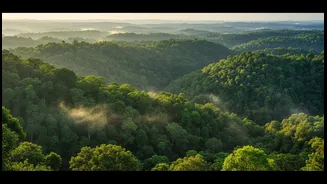
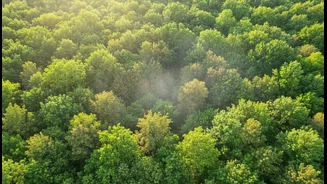
For several decades, scientists have observed a phenomenon known as global greening. Satellite data shows that from a quarter to half of Earth's vegetated lands have become significantly greener since the 1980s. This represents a vast increase in leaves
on plants and trees. The primary driver of this trend is the 'CO2 fertilisation effect'. Plants use carbon dioxide for photosynthesis, the process that fuels their growth. With more CO2 in the atmosphere from human activities, many plants are essentially being supercharged, allowing them to grow faster and more vigorously. This enhanced growth has turned the world's forests into an even more crucial carbon sink, absorbing a significant portion of anthropogenic emissions.
A Deal with a Downside
While increased CO2 acts like a fertiliser, it doesn't exist in a vacuum. It is intrinsically linked to a warming planet, and this is where the good news gets complicated. The benefits of CO2 fertilisation are greatest when other conditions like temperature and water availability are optimal. However, climate change is altering these very conditions. Recent studies, particularly in Europe and parts of North America, have revealed that the positive effects are beginning to slow, and in some cases, reverse. What was once a steady increase in productivity is now showing signs of strain as other climate-related stressors come into play.
When the Heat Is On
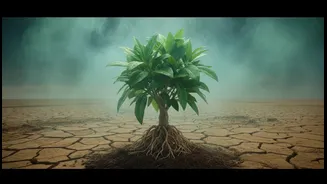
The single biggest counteracting force is heat. As global temperatures rise, forests are experiencing more frequent and intense heatwaves. Extreme heat can directly damage plant tissues and inhibit photosynthesis, the very process that CO2 was boosting. High temperatures cause trees to lose more water through their leaves, a process called transpiration. To conserve water, plants close the tiny pores on their leaves, but this also limits their ability to take in CO2, effectively putting the brakes on growth. In warm and dry conditions, seedlings struggle to survive, and even mature trees experience suppressed growth and increased mortality. A study in the US found that while eastern forests benefited from mild warming and more rain, productivity in the hotter, drier western US declined.
The View from India
This global tug-of-war has significant implications for India. The nation's diverse forests, from the Himalayas to the Western Ghats, are subject to a wide range of climatic conditions. While the CO2 fertilisation effect is at play here as well, the increasing frequency of extreme heat events and erratic monsoon patterns pose a serious threat. A longer growing season might seem beneficial, but studies show that early spring growth can deplete soil moisture, leading to stressed or less productive forests in the drier summer months. This can impact everything from the availability of forest products to the stability of regional water cycles, which are crucial for agriculture and drinking water for millions.
A Race Against a Tipping Point
The critical question scientists are now trying to answer is whether there is a tipping point where the negative impacts of heat and drought will consistently overwhelm the benefits of CO2 fertilisation. Some research suggests that we are already seeing this happen in certain regions. A 2024 study of French forests found that many areas had already passed a peak in productivity and were now in decline due to the changing climate. The initial boost from CO2 fertilisation may simply be a temporary phase before the harsher realities of a warmer world take over. This makes efforts to protect existing, diverse forests—which are more resilient to climate extremes—all the more critical.