



The Significance of the Trial Run
The planned trials represent a critical step towards launching the nation's first high-speed rail service. According to the Railway Minister, these tests will last between two and four months, after which the service will be inaugurated. The initial trials will take
place on a nearly complete section of the 508-kilometre corridor. This phase is crucial for validating the safety, speed, and reliability of the Japanese Shinkansen technology adapted for Indian conditions before it is opened to the public. The successful completion of these trials will pave the way for a phased commercial rollout, with an initial section, likely between Surat and Bilimora, expected to open first. The government is targeting the first service to commence in August 2027.
The Journey So Far: Progress and Hurdles
The Mumbai-Ahmedabad High-Speed Rail (MAHSR) project, managed by the National High Speed Rail Corporation Limited (NHSRCL), has been a monumental undertaking. Launched in 2017, the project faced initial delays due to the COVID-19 pandemic and significant challenges with land acquisition, particularly in Maharashtra. However, with 100% of the required land now acquired across Gujarat and Maharashtra, construction has gained significant momentum. As of early 2026, reports indicated that the project had surpassed 55% physical completion, with substantial progress on laying piers, casting girders, and finishing foundation work at most of the 12 planned stations. The entire corridor is now expected to be fully operational by 2029.
A Glimpse of the Future: Speed and Technology
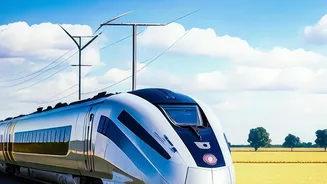
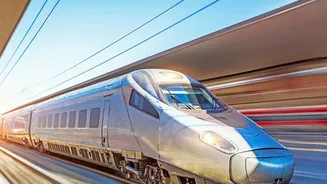
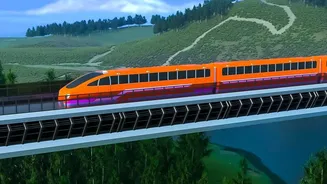
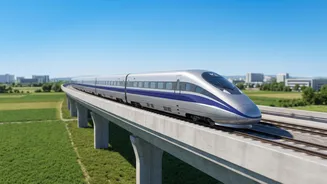
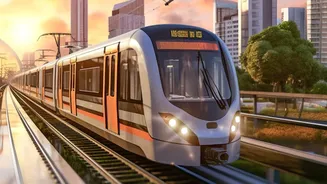
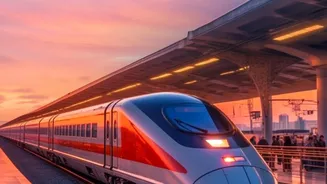
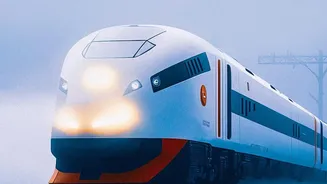
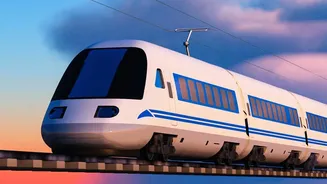
The service will use variants of Japan's proven E5 Series Shinkansen trains, renowned for their safety and performance. These trains are designed to operate at speeds of up to 320 km/h, a significant leap for Indian Railways. The aerodynamic design features a long nose to minimise noise when entering tunnels, while advanced systems like full active suspension will ensure a smooth and comfortable ride. Once fully operational, the bullet train is expected to reduce travel time between Mumbai and Ahmedabad to just under two hours for services with limited stops. The trains will offer different classes of seating, likely including executive and economy options, with features like rotating seats and spacious interiors. The project also includes India's first undersea rail tunnel as part of the corridor in Maharashtra.
Building an Integrated Transport Network
The vision for the MAHSR corridor extends beyond just speed; it's about creating a seamlessly integrated transport ecosystem. Stations are being designed as multimodal hubs. The Vadodara station, for instance, is being built directly above the existing Indian Railways platform number 7. It will be connected by foot overbridges, some equipped with travelators, to the main railway station and the city's central bus depot, allowing for easy transfers. This integration aims to provide passengers with hassle-free connectivity, linking the high-speed corridor with local and national transport networks. Stations will also feature modern passenger amenities, including waiting areas, retail spaces, and dedicated zones for pick-up and drop-off, enhancing the overall travel experience.
The Bigger Picture for a 'Viksit Bharat'
The Mumbai-Ahmedabad line is presented not just as a single project but as the cornerstone of India's future high-speed rail network. Officials have stated the project is part of the 'Atmanirbhar Bharat' vision, creating domestic expertise and manufacturing capabilities. The experience and industrial ecosystem developed for this corridor are intended to serve as a template for seven other proposed high-speed routes across the country. These future corridors aim to connect major economic and population centres, drastically cutting travel times and boosting economic growth. By connecting cities like Vadodara, Surat, Ahmedabad, and Mumbai, the project is expected to create a wider ecosystem of employment, technology, and professional opportunities along the entire route.