

A Journey in Every Bite
Indian street food is far more than a quick, affordable meal; it's a living archive of the country's immense diversity. Each dish, whether it’s a plate of spicy chaat or a warm roll, carries the history of its place of origin. These recipes are culinary
heirlooms, passed down through generations and transported across state lines by individuals seeking new opportunities in urban centres. When people migrate, they bring their culture with them, and one of the most powerful expressions of that culture is food. As a result, the streets of cities like Delhi, Mumbai, and Bengaluru have become vibrant mosaics of regional tastes, offering a delicious lesson in the geography and history of India.
The Tale of the Travelling Roll
Consider the humble kathi roll. Today a staple in cities across the country, its story begins in 1930s Kolkata at Nizam Restaurant. Faced with hurried commuters and British patrons who preferred not to get their hands greasy, the eatery devised a solution: wrap succulent, skewer-roasted kebabs in a paratha. This simple innovation created a portable, mess-free meal that was an instant success. The name 'kathi' itself, meaning 'stick' in Bengali, refers to the bamboo skewers that were later adopted for grilling the kebabs. What started as a practical fix in one restaurant soon spilled onto the streets of Kolkata and eventually migrated across the nation, with each city adding its own subtle twist.
A Plateful of Home
For many migrant workers, street food is a powerful connection to home. The arrival of Litti Chokha, a rustic dish from Bihar, on the streets of cities like Noida is a perfect example. Originally considered food for the poor in its home state, litti—a baked whole wheat ball stuffed with spiced gram flour (sattu)—is a wholesome and healthy meal. As people from Bihar moved to metropolitan areas for work, they brought this taste of home with them. Initially sold to fellow migrants craving familiar flavours, these stalls soon attracted locals, introducing a whole new audience to the charms of Bihari cuisine. The vendors are not just entrepreneurs; they are cultural ambassadors sharing their heritage one plate at a time.
The City's Own Signature
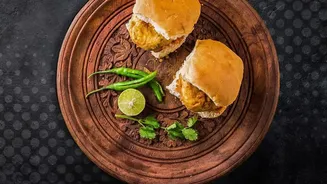
While cities act as hosts for cuisines from afar, they also create their own iconic street foods born from their unique social fabric. Mumbai's Vada Pav is a quintessential example. Invented around 1966 by a vendor named Ashok Vaidya outside Dadar station, it was designed as a cheap, convenient, and filling snack for the city's mill workers. This simple creation—a spiced potato fritter (vada) tucked inside a bread bun (pav)—was the perfect fuel for a fast-paced life. Its rise was also intertwined with local politics, as the Shiv Sena party encouraged Maharashtrians to become entrepreneurs and establish their own food stalls. The Vada Pav is not just a snack; it's a symbol of Mumbai's working-class spirit and ingenuity.
Guardians of Flavour and Tradition
The true heroes of this culinary story are the street vendors themselves. Many have perfected a single dish over decades, serving a recipe that has been in their family for generations. They are the engine of this informal economy, which employs millions and acts as a great social equalizer, bringing together people from all walks of life. In an age of fast-food chains and globalized menus, these vendors preserve the authenticity of India’s culinary heritage. They adapt and innovate, but the core of their offering remains a taste that is deeply rooted in a specific place and culture, ensuring that regional food doesn't just survive, but thrives.