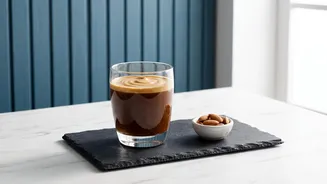



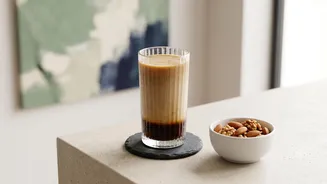

What Exactly is Protein Coffee?
Protein coffee, or 'proffee', is precisely what its name suggests: coffee blended with a protein supplement. This trend, which gained significant traction on platforms like TikTok, involves two primary methods. The first is adding a scoop of protein powder
directly into your coffee. The second, often simpler, method is to pour a pre-made, ready-to-drink protein shake into your brew, using it much like a creamer. The core appeal is convenience—it combines the morning ritual of coffee with a substantial protein boost, aiming to provide both energy and satiety in a single cup. It's seen as a way to simplify mornings, especially for those who work out early or tend to skip a traditional breakfast.
The Potential Benefits of Proffee
Fans of protein coffee point to several advantages. The primary benefit is increased satiety; protein is known to help you feel fuller for longer, which may reduce overall calorie intake throughout the day. For those who exercise, especially in the mornings, it's a convenient way to get a pre- or post-workout boost, with caffeine enhancing performance and protein aiding muscle repair. Interestingly, some dietitians note that protein can slow the absorption of caffeine, potentially leading to a more sustained energy release rather than a sharp spike and crash. This combination can also help individuals meet their daily protein targets, which is particularly useful for athletes or those on specific dietary plans.
Are There Any Downsides to Consider?
While proffee can be a handy tool, it is not without its drawbacks. Many protein powders and ready-to-drink shakes contain high amounts of sugar, artificial sweeteners, fillers, and other additives that can undermine health goals. It's crucial to read labels carefully. Furthermore, health experts caution that while it can be a convenient supplement, it shouldn't consistently replace a balanced meal made from whole foods, which offer a wider array of essential vitamins and minerals. For some, high-protein supplements can cause digestive issues like gas or bloating. Additionally, individuals with certain conditions, such as kidney disease, should be cautious, as excessive protein can strain the kidneys.
Hot vs. Iced: The Mixing Dilemma
The headline's claim that iced coffee is easier for mixing is well-founded. Many protein powders, particularly whey-based ones, have a tendency to clump or curdle when dumped directly into hot liquid. The heat denatures the proteins, causing them to congeal into an unpleasant, lumpy texture. To avoid this with hot coffee, the best method is to first create a slurry by mixing the protein powder with a small amount of room-temperature liquid (like water or milk) before slowly adding the hot coffee. Using a milk frother can help create a smooth consistency. Iced coffee, however, is far more forgiving. You can generally mix the powder directly into the cold liquid with much less risk of clumping, making it the preferred method for many proffee drinkers.
How to Make Your Perfect Proffee
Making your own protein coffee is simple. For an iced version, combine your cold brew or chilled coffee with one scoop of protein powder in a shaker bottle and shake vigorously until smooth. For hot coffee, first mix your protein powder with about two tablespoons of milk or water to form a smooth paste, then slowly pour in your hot coffee while stirring continuously. Collagen peptides are often recommended as they dissolve easily in both hot and cold liquids. The easiest method of all is to use a ready-to-drink protein shake. Simply brew your coffee (hot or iced) and add the protein shake to your liking, as you would with milk or creamer. This method guarantees a clump-free experience every time.
Choosing the Right Protein Supplement
The quality of your proffee depends heavily on the protein you choose. When selecting a protein powder, look for one with minimal added sugars and artificial ingredients. Unflavored varieties or those with natural sweeteners are often a better choice. The type of protein also matters. Collagen peptides mix very well, while whey isolate tends to be smoother than whey concentrate. For plant-based options, pea or almond protein powders are good choices. If you opt for ready-to-drink shakes, compare brands to find one that is low in sugar and free of unnecessary additives. Ultimately, the goal is to enhance your coffee, not to turn it into a dessert loaded with hidden sugars.