


That first bite of a hot, freshly fried vada is a core memory for many. The shattering crispness gives way to a pillowy, steaming interior, a delightful contrast that awakens the senses and defines the start of countless mornings across India.
A Unifying Morning Ritual
Across the
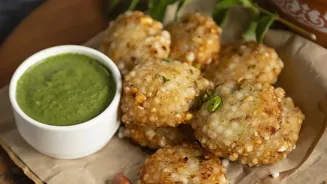
vast culinary landscape of India, few dishes are as universally cherished as the vada. While its forms are many, its role is comfortingly consistent: a beloved breakfast staple, a reliable teatime snack, and a festive delicacy. From bustling city street stalls to quiet family kitchens, the humble vada, a category of savoury fried fritters, is a unifying thread in the nation's diverse food tapestry. Its history is ancient, with mentions of a similar preparation called 'vataka' appearing in texts dating back centuries, suggesting a long-standing presence in Indian culinary traditions. Whether you call it vadai, vade, or bara, this fritter is more than just a snack; it's a taste of home.
The Iconic Medu Vada
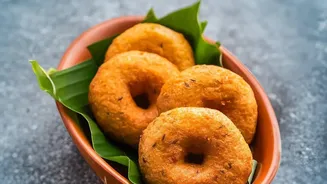
When most people think of vada, they picture the Medu Vada. This iconic, doughnut-shaped fritter is a star of South Indian cuisine, particularly in Karnataka, Tamil Nadu, and neighbouring states. The name itself offers a perfect description: in Kannada, 'medu' means soft, referring to the wonderfully fluffy interior protected by a golden, crunchy crust. Made from a carefully prepared batter of soaked and ground urad dal (black lentils), it is often subtly spiced with green chillies, ginger, cumin, and whole black peppercorns. The art lies in grinding the batter to the right consistency to achieve that signature light texture. Typically served with a bowl of hot sambar for dipping and a side of fresh coconut chutney, it’s a complete, soul-satisfying meal.
Crunchy and Rustic: The Masala Vada
A close cousin to the Medu Vada, but with a personality all its own, is the Masala Vada. Known as Parippu Vada in Kerala and aamai vadai in Tamil, this version is celebrated for its distinctly crunchier, coarser texture. Instead of the smooth paste of urad dal, it's made from chana dal (split chickpeas) or toor dal, which are ground more roughly. This rustic patty is packed with flavour, featuring finely chopped onions, curry leaves, and a robust blend of spices that give it its 'masala' name. Unlike the airy Medu Vada, the Masala Vada is dense, crumbly, and wonderfully fragrant, making it an extremely popular evening snack to have with a cup of chai.
Beyond the South: A Pan-Indian Favourite
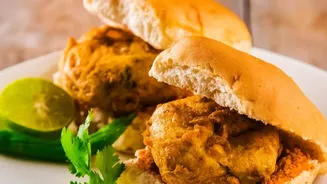
While its deepest roots are in the South, the vada has been embraced and adapted all over India. In Maharashtra, the Batata Vada reigns supreme. Here, a spiced mashed potato ball is coated in a gram flour (besan) batter and deep-fried until golden. This potato fritter is the heart of Mumbai's most famous street food, the Vada Pav, where it's tucked into a soft bread roll with spicy chutneys. Further north, in Rajasthan, you'll find the fiery Mirchi Vada, a large green chilli stuffed with a spicy potato mix and fried. From the Kanji Vada of Gujarat, soaked in a tangy fermented liquid, to the unique poppy-seed Kacha Posto Bora of Bengal, almost every region has its own beloved interpretation of this versatile fritter.
More Than a Fritter, It's a Feeling
The process of making vada at home is a cherished ritual in itself. It involves soaking the lentils for hours, the rhythmic sound of the grinder, and the careful shaping of the batter by hand before it hits the hot oil. It is a dish served at celebrations and festivals, a food offered in temples, and a simple snack that brings families together. Some versions are soaked in yoghurt to become Dahi Vada, a cooling dish popular across the country. Others, like Maddur Vada from Karnataka, are made with a mix of flours and fried twice for extra crispness. Each variation tells a story of local ingredients and shared history.