

The Great Indian Flavour Boom
While a love for complex flavours is nothing new in India, the current moment feels different. It's louder, more deliberate, and certainly more diverse. According to the Godrej Food Trends Report 2026, India is set to 'double down' on its 'teekha chatpata'
roots, embracing flavour maximalism. This isn't just about adding an extra chilli to the tadka; it's a full-blown movement. The Indian hot sauce market, for instance, is expanding significantly, with projections showing steady growth driven by a rising demand for global flavours and innovative fusion with Indian cuisine. Consumers are no longer content with a generic red or green chilli sauce. They're seeking out specific pepper varieties, regional specialties, and complex, layered heat profiles that tell a story.
Snackification and the 'Swicy' Wave
Nowhere is this trend more visible than in the snack aisle. In the past couple of years, major brands have flooded the market with products designed to meet this craving. Offerings like Lay's 'Sizzlin' Hot' and ITC Bingo's 'Korean Style Chips' are direct responses to a consumer base, particularly Gen Z, that actively seeks out bolder, more adventurous tastes. The trend has even been given a new vocabulary. The term 'Swicy'—a portmanteau of sweet and spicy—has become a buzzword for 2026, describing the addictive combination of jaggery or honey with a chilli kick. While this flavour profile has always existed in traditional Indian chutneys and street food, it's now being 'branded' and marketed as a modern culinary concept, appearing in everything from glazes on fried chicken to artisanal chocolates.
Gen Z's Quest for Boldness
Much of this shift is fueled by India’s younger generation. Gen Z consumers are characterized by their culinary curiosity and digital-first approach to food discovery. They are more exposed to global food cultures through social media, leading to a surge in popularity for cuisines like Korean and Mexican, both known for their vibrant use of spice and tang. This generation doesn't just want to eat; they want an experience that is novel, authentic, and visually appealing enough to share online. This has created a fertile ground for trends like 'Fricy' (fruity and spicy), a concept familiar to anyone who grew up eating fruit chaat but now finding a global, hashtag-friendly audience online.
From Regional Kitchens to National Carts
The renewed focus on bold flavours is also shining a spotlight on India's vast and varied regional cuisines. As consumers move beyond generic 'North' or 'South' Indian food, they are discovering hyper-regional specialties celebrated for their unique flavour profiles. Thanks to the rise of direct-to-consumer online brands, snacks that were once local secrets—like the fiery Kolhapuri Bhadang or the complex, tangy Chanachur from Kolkata—are now finding a national audience. This movement celebrates authenticity, allowing food lovers across the country to experience these tastes as they were meant to be, without the standardization often required for mass retail. It represents a broader cultural shift towards celebrating and preserving India's rich culinary diversity.
The Modern Chef's Interpretation
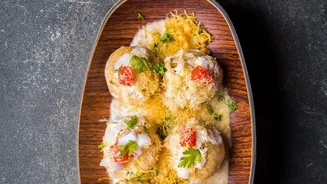
This trend isn't confined to street food and packaged snacks. In the realm of modern Indian dining, chefs are giving these classic flavours a sophisticated facelift. They are using French techniques and contemporary plating to deconstruct and reimagine traditional teekha and tangy dishes. These culinary artists are creating food that is both innovative and deeply rooted, like a frozen yogurt chaat with tamarind chutney or a monkfish curry balanced with the tartness of rhubarb. This fine-dining evolution is crucial, as it showcases the versatility of Indian flavours on a global stage, proving that our love for spice and sourness can be both a comforting, everyday pleasure and a refined, world-class culinary experience.