


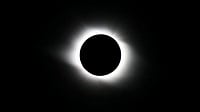
A Celestial Event of the Century
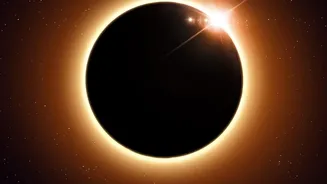
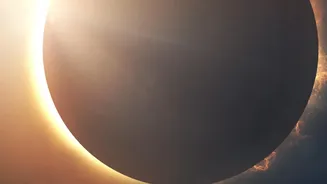
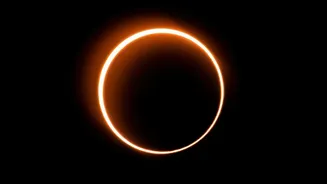
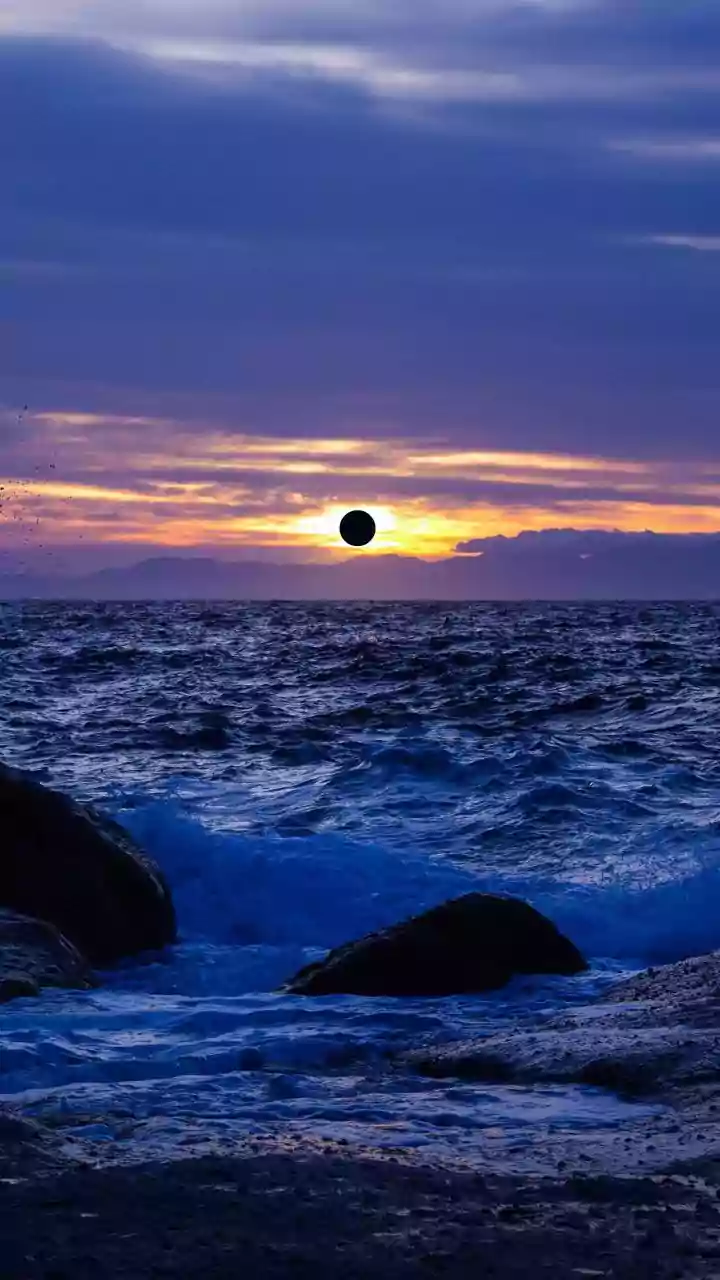
On August 12, 2026, a total solar eclipse will carve a path across the globe, making its final and most anticipated stop over mainland Europe. It is the first time a total solar eclipse has been visible from Spain in over a century. The path of totality,
a roughly 300-kilometer-wide corridor, will enter from the northwest coast and sweep across regions like Galicia, Castile and León, and Aragón before heading over the Balearic Islands at sunset. For up to 1 minute and 49 seconds, daylight will fade, temperatures will drop, and the sun's ethereal corona will become visible to the naked eye. This rare phenomenon, part of a unique “Iberian trio” of eclipses occurring in 2026, 2027, and 2028, has turned the country into a focal point for astronomers and tourists worldwide.
The Forgotten Landscapes of 'Empty Spain'
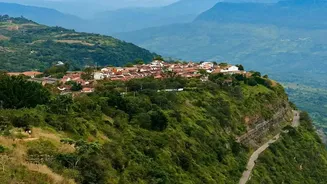
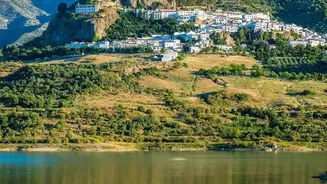
The eclipse’s path happens to cross directly over the heart of what is known as “España vaciada,” or “emptied Spain.” These are vast rural territories that have been steadily losing residents for decades due to aging populations, a lack of jobs, and the gravitational pull of big cities. Many of these municipalities have limited hotel infrastructure, with some villages counting their inhabitants in the dozens. The region of Castile and León, a vast inland plateau squarely in the eclipse's path, is a prime example. For years, these areas have struggled with obscurity and economic decline, their medieval castles and quiet landscapes largely overlooked by the tourists who flock to Spain's coasts. The eclipse, however, is changing that, drawing attention to their stark beauty and clear, dark skies, which are ironically perfect for astronomical observation.
From Quiet Existence to Global Destination
The influx of interest has been staggering. Flight bookings to the region have surged, and searches for rural accommodation have skyrocketed by over 800% in some areas. Projections suggest millions of visitors will descend on the path of totality, placing unprecedented pressure on villages with scant resources. Rooms that were once readily available are now booked for hundreds, sometimes thousands, of euros a night. This sudden boom is a double-edged sword. While it brings a welcome economic injection, it also raises serious logistical concerns. In the tiny village of Jabaloyas, with just 66 residents, officials made the difficult decision to close vehicle access to a prime mountain viewpoint to prevent being overwhelmed, prioritizing safety and environmental protection over a tourism free-for-all.
A Fleeting Moment or a Sustainable Future?
The central question on everyone’s mind is what will happen after the last sliver of sun reappears. Will the global attention fade as quickly as the eclipse itself? Local officials and business owners hope the event will serve as more than just a momentary boom. The hope is that visitors, drawn by the sky, will fall in love with the land. The eclipse provides a platform to showcase these regions as destinations for rural and astro-tourism long after August 12. By highlighting their unique cultural heritage and natural beauty, there is a chance to attract a new kind of tourist, or even remote workers, looking for an escape from overcrowded cities. The event forces a conversation about sustainable tourism and whether a fleeting spectacle can provide a lasting lifeline to communities fighting for their survival.